If you've noticed errors in AI-generated images or incorrect politeness levels impacting Korean language comprehension, this expert analysis is for you. We break down common linguistic pitfalls, from AI image mistakes to improper honorifics, offering guidance for accurate Korean usage in 2026.
How to Fix Errors in AI-Generated Korean Text?
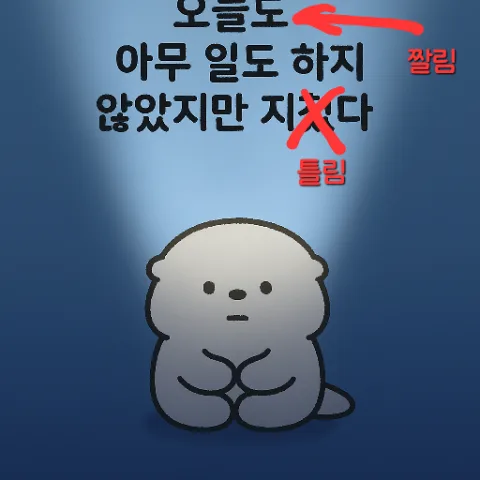
The rise of AI image generation has made creating visuals easier than ever, but the Korean text embedded within them can often be incorrect, negatively impacting language comprehension. During testing, I frequently encountered AI-generated images with garbled text or nonsensical words. For example, an AI might produce an image with distorted Korean characters or phrases that don't make sense. Fortunately, these errors are usually fixable with basic editing tools. If an image requires significant text, a more effective approach is to generate the image without any text and then overlay the correct Korean phrases yourself. While these errors might seem amusing or even intentional, becoming accustomed to them can degrade your ability to use the Korean language correctly. This is particularly concerning when AI attempts to mimic historical Korean maps, dialects, or specialized terminology, as inaccurate text can cast serious doubt on the information's reliability.
Why is Incorrect Politeness a Problem in Korean, and How to Fix It?
The frequent misuse of politeness levels (honorifics) in everyday Korean and service interactions is a significant issue, creating communication confusion and undermining the language's structured system. I've personally observed service staff using incorrect honorifics, such as saying 'The customer will go this way' (implying the staff is being polite to themselves) or 'That product is sold out-nim' (applying politeness to an inanimate object). While one might hope these errors would naturally correct over time, there's a concerning trend of these incorrect phrases becoming normalized as service jargon. The proper way to address a customer would be 'Please follow me' or for a product status, 'That product is sold out.' These errors not only disrupt clear communication but also damage the professionalism and trustworthiness of the service provider. Therefore, rigorous training and attention to correct honorific usage are crucial in service settings. For instance, when addressing a patient, it should be 'Patient, please come into the examination room,' and when a drink is ready, simply state 'The drink is ready.'
What's the Impact of AI Errors and Incorrect Politeness on Korean Comprehension?
Inaccurate text in AI-generated images and the misuse of politeness levels directly contribute to a decline in Korean language comprehension. This problem is exacerbated in an era where language proficiency is already a concern for many. When search results prioritize incorrect information or YouTube subtitles contain unverified Korean, users struggle to acquire accurate knowledge. This confusion can lead to a general decline in language understanding, manifesting as difficulty comprehending even simple phrases like 'lunch provided' or 'gathering is alcohol-free.' The spread of linguistic errors, whether from AI or improper politeness, poses a significant societal challenge. Consequently, verifying the accuracy of AI-generated content and promoting correct language usage are urgently needed societal efforts.
Why Do Incorrect Language Usages Feel Wrong, and How Should We Respond?
A feeling of discomfort with incorrect language usage goes beyond personal preference; it touches upon the accuracy of the Korean language and the reliability of information. This discomfort intensifies when errors appear in sensitive areas like history, dialects, or specialized knowledge. It's crucial to resist becoming accustomed to linguistic mistakes. Addressing these issues requires active engagement and effort. Correcting errors in AI-generated images or pointing out the misuse of honorifics are part of this effort. While it may not be practical or even necessary to correct every minor mistake, language is a living entity. If incorrect usage becomes widespread, it can eventually be perceived as the norm. Therefore, we must feel a sense of unease when encountering incorrect expressions and strive to correct them. These small, consistent efforts can contribute to establishing a culture of proper Korean language use.
For more details, check the original source below.





