Many Korean language learners in the US struggle with speaking, often understanding spoken Korean but finding themselves unable to respond. This common issue stems from a lack of practical speaking experience and insufficient real-time conversation practice. This guide offers proven strategies for 2026 to overcome speaking hurdles, focusing on building confidence and fluency through consistent application and immersive environments.
Why Do US Learners Struggle with Korean Speaking Fluency?
A primary reason US learners find Korean speaking challenging isn't a lack of vocabulary or grammar knowledge, but rather insufficient practical application. Many students focus heavily on passive learning—reading and listening—without dedicating enough time to active speaking. The absence of a consistent, real-time conversation environment, coupled with the psychological barrier of fearing mistakes, significantly hinders fluency. In Korea, language exchange partners or immersive programs naturally provide these crucial elements. For learners in the US, actively seeking out conversation partners, language exchange apps, or specialized Korean language classes that prioritize speaking is essential to bridge this gap and move beyond theoretical knowledge.
What Are the Most Effective Methods for Improving Korean Speaking Skills?
Related Articles
Improving Korean speaking ability follows a three-stage process: understanding basic structures, gaining practical experience, and automating responses. First, learners must grasp fundamental sentence patterns and common expressions. Resources like Talk To Me In Korean (TTMIK) or Duolingo offer excellent starting points for this foundational knowledge. Second, actively engaging in real conversations is crucial. This involves using the language in contexts like language exchange meetups, online tutoring sessions, or even practicing dialogues with friends. Finally, consistent repetition helps automate responses, allowing you to speak more spontaneously without overthinking. For US-based learners, integrating these stages through online platforms and local Korean cultural centers can accelerate progress significantly.
How Does an Immersive Korean Speaking Environment Accelerate Learning?
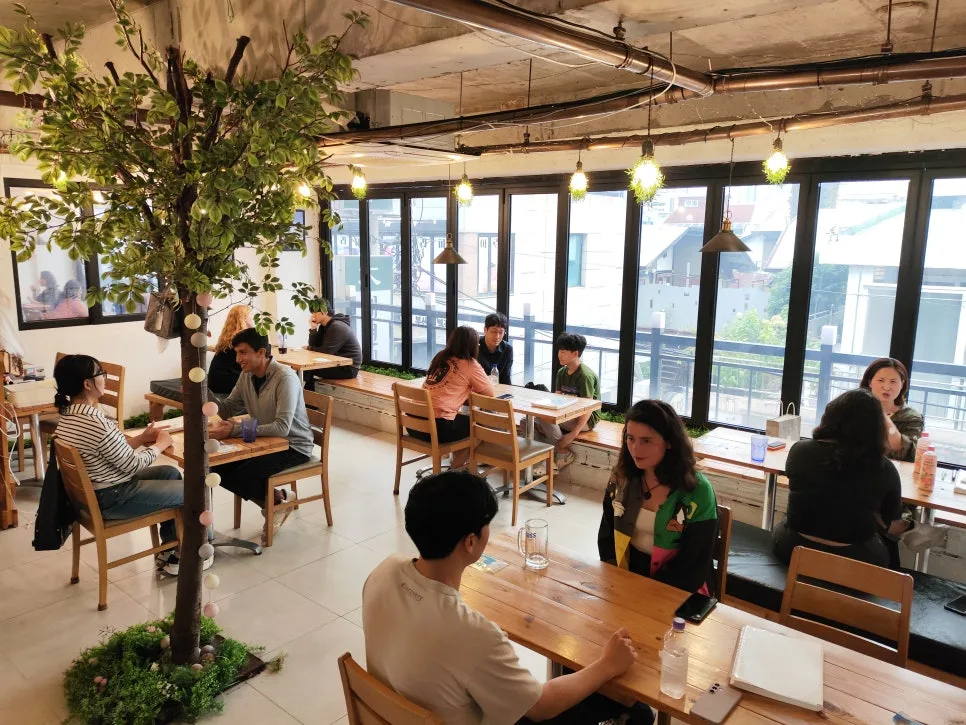
An immersive environment is critical because it replicates the dynamic nature of real-world communication. Unlike static textbook exercises, live conversations require you to process information rapidly, respond appropriately, and adapt to the speaker's pace and tone. This constant interaction, especially with native speakers, provides immediate feedback, helping you correct pronunciation, grammar, and word choice in real-time. This is far more effective than delayed corrections or self-study. For instance, engaging with Korean tutors on platforms like italki or joining Korean conversation groups allows for this vital practice. The encouragement and supportive atmosphere in these settings also help overcome the fear of making mistakes, further boosting confidence and fluency.
What Common Mistakes Do Adult Learners Make in Korean Speaking Practice?
Adult learners often fall into the trap of perfectionism, hesitating to speak for fear of making errors. This can significantly stall progress, as fluency is built through practice, not just theoretical knowledge. Another common pitfall is relying solely on passive learning methods without sufficient active speaking opportunities. To counter this, embrace a mindset that views mistakes as learning opportunities. Focus on clear communication rather than perfect grammar initially. Utilize resources that encourage frequent speaking, such as language exchange apps like HelloTalk or Tandem, or online Korean classes that offer ample speaking practice. Consistent, even imperfect, speaking is far more beneficial than silent study.





