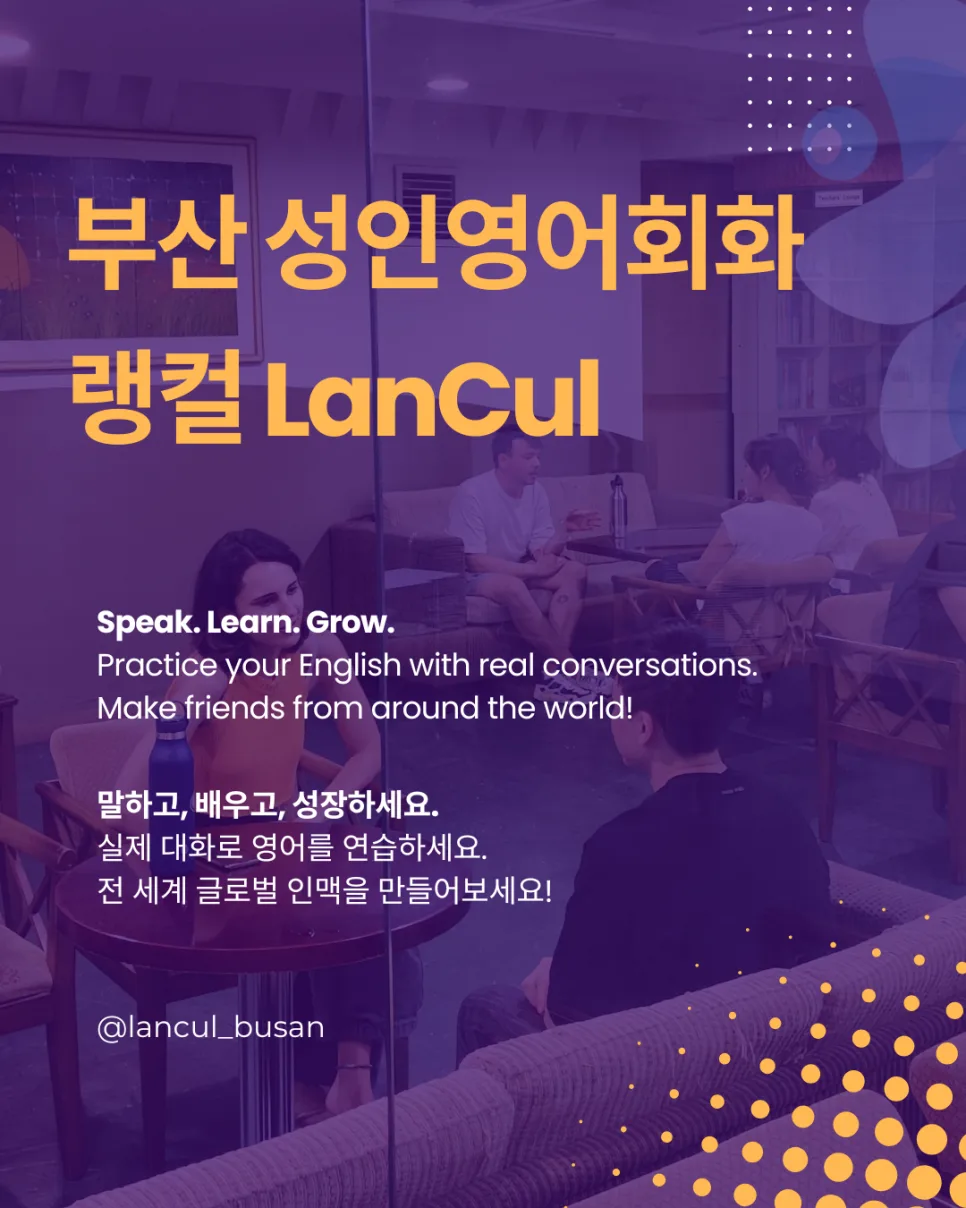
The fastest way to learn Korean and achieve conversational fluency by 2026 involves focusing on practical speaking skills through consistent, immersive practice, rather than solely on grammar rules. Resources like Talk To Me In Korean (TTMIK) and Duolingo can build a foundation, but engaging in real conversations, even in small groups, is key to overcoming speaking anxiety and retaining vocabulary.
How to Master Korean Speaking Skills in 2026?
For US learners eager to speak Korean fluently by 2026, the journey often starts with mastering Hangul, the Korean alphabet, which can typically be learned in about 3-7 days. Following this, basic phrases and sentence structures can be acquired within a month using popular platforms like Duolingo or the comprehensive resources from Talk To Me In Korean (TTMIK). However, true conversational ability, especially for K-drama and K-pop fans, hinges on consistent speaking practice. This means actively seeking opportunities to use the language, whether through language exchange apps, online tutors, or local meetups. The goal is to move beyond passive learning and embrace active recall and application of Korean vocabulary and grammar in real-time conversations.
What Are the Best Resources for Learning Korean for Beginners?
Getting started with the Korean language in 2026 is more accessible than ever for US-based learners. For a solid foundation, the Duolingo app offers a gamified approach to learning basic vocabulary and Hangul, making it approachable for absolute beginners. For a more in-depth understanding of grammar and sentence structure, Talk To Me In Korean (TTMIK) provides a wealth of free podcasts, PDFs, and online courses that guide learners from beginner to advanced levels. For those who thrive on visual and auditory learning, YouTube channels dedicated to Korean language instruction offer free lessons, often incorporating K-pop lyrics or K-drama clips to make learning engaging. Additionally, flashcard apps like Anki are excellent for memorizing vocabulary and Hanja (Chinese characters used in Korean), crucial for understanding deeper linguistic nuances and preparing for the TOPIK (Test of Proficiency in Korean) exam.
How Can K-Pop and K-Dramas Accelerate Korean Language Learning?
Leveraging K-pop and K-dramas is a highly effective strategy for US-based Korean language learners to accelerate their progress in 2026. By listening to K-pop songs repeatedly, learners can naturally absorb pronunciation, intonation, and common slang. Analyzing song lyrics, often available with translations, provides context for vocabulary and grammar. Similarly, watching K-dramas offers exposure to natural conversational Korean across various scenarios – from everyday interactions to formal settings. Subtitles (initially in English, then Korean) can aid comprehension, while actively pausing and repeating phrases helps in practicing speaking. Many fans even create study guides based on their favorite shows or idol interviews, turning passive consumption into active learning. This method not only makes learning fun but also provides cultural context that is vital for understanding the nuances of the Korean language.
What Are Common Challenges for US Learners of Korean?
US learners often face several common challenges when learning Korean in 2026. One significant hurdle is the vastly different sentence structure (Subject-Object-Verb) compared to English (Subject-Verb-Object), which requires a mental re-wiring. The honorific system, where speech formality changes based on the age and social status of the person you're addressing, can also be complex to master. While Hangul is relatively easy to learn, distinguishing between similar-sounding vowels and consonants, and understanding the subtle differences in spoken Korean, takes dedicated practice. Furthermore, finding consistent opportunities for real-life speaking practice can be difficult for those not living in areas with a significant Korean-speaking population. Overcoming these challenges requires patience, consistent effort, and a strategic approach that combines structured learning with immersive experiences.
For more details on accelerating your Korean learning journey, explore the original source.





