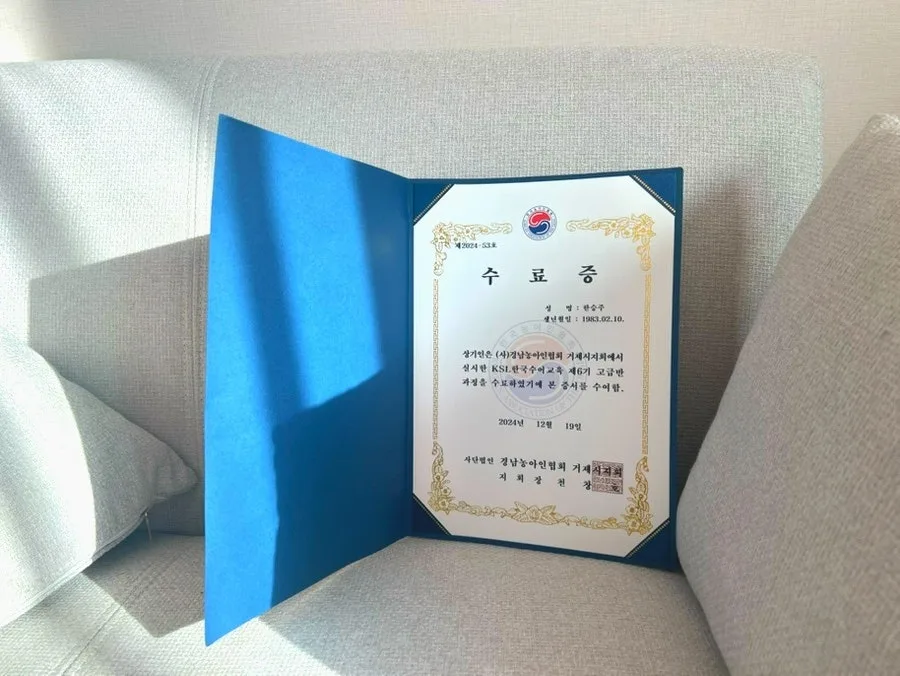
Learning Korean Sign Language (KSL) can be a rewarding journey, offering a unique window into Korean culture and communication. KSL is a fully recognized language with its own grammar, distinct from spoken Korean. This guide breaks down the learning process, its benefits, and key considerations for US learners aiming for fluency by 2026.
What is Korean Sign Language (KSL) and Why Learn It?
Korean Sign Language (KSL) is the primary language used by the Deaf community in South Korea. It's not simply a gestural representation of Korean; it possesses its own unique grammatical structure, syntax, and vocabulary, making it a distinct language. Many US learners are drawn to KSL for various reasons: pure interest in linguistics and culture, a desire to volunteer or work with the Deaf community, or even for professional development. Studies suggest that learning a sign language like KSL can boost cognitive functions, enhance brain activity, and potentially aid in preventing dementia, making it a beneficial pursuit for all ages. The National Institute of the Korean Language offers structured courses, from beginner to advanced levels, providing a solid foundation for learners.
How is KSL Different from Everyday Gestures?
A common misconception is that sign language is just a collection of hand gestures. However, KSL, like other sign languages, is a complex visual-gestural language. It involves not only the shape, direction, location, and movement of the hands (known as the parameters of signs) but also crucial non-manual markers like facial expressions, head tilts, and body posture. For instance, a specific hand movement combined with a questioning facial expression conveys a question, while the same movement with a neutral expression might mean something else entirely. This intricate system of visual cues and grammatical rules sets KSL apart from simple gestures or miming, which lack the linguistic depth and structure of a true language.
What's the Learning Curve for KSL?
Achieving fluency in KSL typically requires a dedicated year of study, broken down into progressive stages. Most structured programs, like those offered by the National Institute of the Korean Language, are divided into three-month segments: beginner, intermediate, and advanced. Completing all three levels generally takes about a year. However, the journey doesn't end there; many dedicated learners continue their practice and education for several years to maintain and improve their skills. Engaging in regular practice, such as free-talking sessions with native signers or fellow learners, is essential for solidifying knowledge and building confidence. The KSL community often encourages continuous learning and interaction to foster a deeper understanding and connection.
What Are Key Considerations When Learning KSL?
When embarking on your KSL learning journey, it's vital to avoid directly translating Korean expressions into sign language. KSL has its own distinct grammar and sentence structure that differs significantly from spoken Korean. Relying on Korean sentence patterns will hinder your progress and lead to misunderstandings. Instead, focus on mastering the unique grammatical rules of KSL and utilizing non-manual markers like facial expressions and body language effectively. Finding opportunities to practice with native KSL users or in conversation groups is crucial for developing natural signing ability. Remember, KSL is a 'visual language,' and mastering its nuances requires consistent practice and immersion.
For more details, check the original source below.





