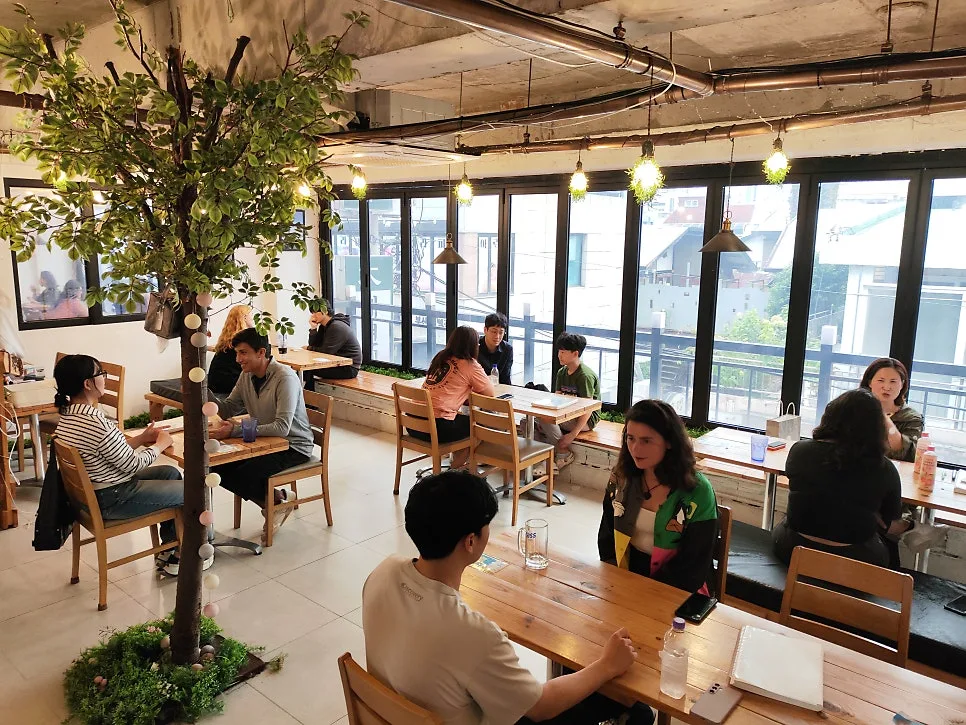
Learning Korean fast in 2026 is achievable by focusing on practical conversation, engaging with native speakers, and embracing a supportive learning environment. Mastering Hangul in under a week, basic phrases in a month, and conversational fluency within a year are realistic goals with the right strategy.
Why is learning Korean so popular in the US?
The global surge in Korean culture, known as Hallyu (the Korean Wave), has dramatically boosted interest in learning the Korean language. K-dramas on platforms like Netflix and Viki, alongside the massive global fandoms of K-pop groups such as BTS and BLACKPINK, create an immersive and motivating environment for learners. Many US fans find that understanding Korean lyrics or dialogue enhances their appreciation of their favorite content. Resources like Talk To Me In Korean (TTMIK), Duolingo, and Anki flashcards offer accessible pathways, making it easier than ever for Americans to start their Korean language journey. This growing interest is fueled by a desire to connect more deeply with Korean entertainment and culture.
What's the best way to practice Korean conversation?
The most effective way to practice Korean conversation is through consistent engagement with native speakers and focusing on practical, real-world expressions. Instead of getting bogged down in complex grammar rules, prioritize learning phrases you can use immediately in everyday situations. This could involve joining language exchange meetups, finding a conversation partner online, or enrolling in a class that emphasizes dialogue. For instance, learning how to introduce yourself, ask for directions, or order food in Korean will build confidence and provide tangible progress. This approach makes learning feel less like a chore and more like an enjoyable skill-building activity.
How can I improve my Korean pronunciation and accent?
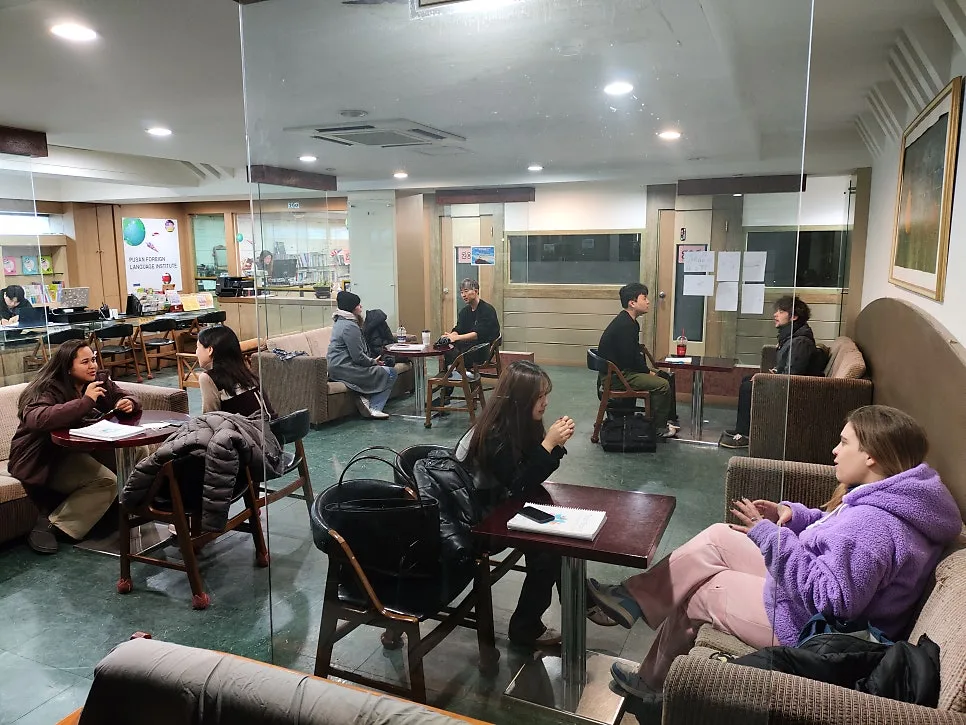
Improving your Korean pronunciation and accent significantly benefits from learning with native speakers. They can provide immediate feedback on your intonation, rhythm, and specific sounds that may not exist in English. Many online platforms and language schools offer classes led by native Korean instructors who are trained to help foreign learners. Listening to Korean music, watching K-dramas without subtitles, and even mimicking dialogue can also help attune your ear to the nuances of the language. Consistent practice, even just 15-30 minutes a day, focusing on mimicking native speech patterns, will lead to noticeable improvements over time.
What are the benefits of learning Korean for career or travel?
Learning Korean can unlock significant career and travel opportunities for Americans. In the business world, proficiency in Korean can be a valuable asset, especially for companies with ties to South Korea's thriving industries like technology, automotive, and entertainment. It can open doors to international roles or enhance communication with Korean clients and colleagues. For travelers, speaking Korean transforms the experience of visiting South Korea, allowing for deeper cultural immersion beyond tourist hotspots. You can navigate more easily, interact authentically with locals, and gain a richer understanding of Korean society, making your trip far more rewarding.
How can I stay motivated while learning Korean?
Staying motivated while learning Korean is crucial for long-term success. Tying your learning to your interests, such as K-pop or K-dramas, provides a strong intrinsic motivation. Setting achievable short-term goals, like mastering the Hangul alphabet in a week or learning 10 new phrases per day, can create a sense of accomplishment. Finding a study buddy or joining a language learning community, online or in person, offers support and accountability. Regularly celebrating small victories, like understanding a song lyric or a line in a drama, reinforces positive habits and keeps the learning process engaging and rewarding.
For more details, check the original source below.





