
Learning Korean fast in 2026 is achievable with a clear roadmap focusing on consistent practice, strategic instructor selection, and maintaining motivation. For US learners, this means leveraging accessible resources and understanding the learning curve from basic Hangul to conversational fluency. The journey typically involves mastering the Korean alphabet (Hangul) in about a week, basic phrases within a month, and reaching conversational ability within 6-12 months, with free tools like Duolingo and Talk To Me In Korean (TTMIK) being popular starting points.
What Are the Keys to Consistent Korean Language Learning?
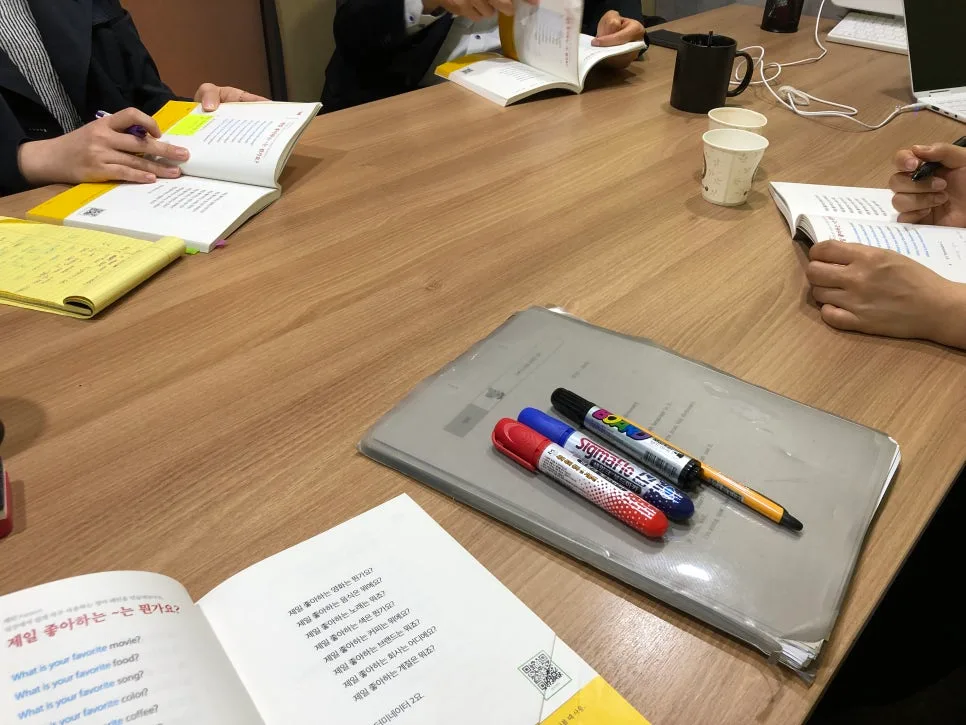
The biggest hurdle for adult learners, especially those in the US, is maintaining consistency in Korean language study amidst busy schedules. Many start with high hopes but falter due to a lack of engaging content or a clear sense of progress. Based on successful learning strategies, making the process fun and providing clear motivation are crucial. For instance, incorporating discussions on topics that genuinely interest you, practicing real-world conversational patterns, and engaging in role-playing scenarios can significantly boost engagement. Tailoring your curriculum to your specific goals—whether for career advancement, travel, or enjoying K-dramas—provides a powerful driving force for continued learning. Utilizing diverse teaching methods, such as those found in comprehensive programs that blend grammar, listening practice, vocabulary drills, and interactive games, can maximize learning effectiveness and keep the process dynamic.
How Should US Learners Choose a Korean Language Instructor?
When selecting a Korean language instructor, look beyond just years of experience. It’s vital to find someone who can communicate effectively at your level and genuinely motivate you. Instructors with experience in teaching diverse learners, perhaps with backgrounds in business or cultural content development, can offer practical insights into real-world Korean usage and cultural nuances. Programs like Wayta, which stands for 'What Are You Talking About?', often focus on active language practice and cultural exchange, providing a more immersive experience. They may also develop their own learning materials, including games and videos, to enhance the learning process. Before committing, it’s highly recommended to have a consultation to ensure the instructor's teaching philosophy and methods align with your personal learning style and goals.
What Are Common Mistakes Adult Learners Make in Korean and How Can They Be Fixed?
A frequent pitfall for adult Korean learners is hesitating to speak due to a fear of making mistakes. In reality, gaining confidence through consistent speaking practice, even with errors, is essential. Grammatical inaccuracies or awkward phrasing can be naturally refined over time through conversation. Many also neglect listening comprehension, which is vital for understanding native speakers. Regularly engaging with Korean content like movies, dramas, or podcasts helps attune your ear to pronunciation, intonation, and common expressions. Another common error is memorizing vocabulary without a clear learning objective. Instead, focus on acquiring words and phrases relevant to your specific goals, whether it's for business, travel, or understanding your favorite K-pop lyrics. Choosing appropriate study materials and methods and sticking to them consistently is key to tangible progress.
How Can Adults Maintain Fun and Motivation While Learning Korean?
Maintaining 'fun' and 'motivation' is paramount for adult Korean learners. One effective strategy is setting clear, achievable goals and rewarding yourself upon reaching them. For example, after a month of consistent study, treat yourself to a new K-beauty product or enjoy an episode of a K-drama without subtitles. Joining a study group or language exchange program can also provide a supportive community, allowing you to share progress, practice with peers, and draw encouragement from others. Integrating Korean into your daily life is another powerful technique. This could involve watching Korean variety shows, following Korean cooking tutorials on YouTube, or listening to K-pop playlists. These activities make learning enjoyable and reinforce your connection to Korean culture. Finally, professional guidance from an experienced instructor can provide structured learning and personalized motivation, significantly boosting your overall progress and keeping your enthusiasm high.
English crawl path
Next English reads from this pilot cluster
Continue through the category hub, latest English stories, and related posts so this translated article is not an isolated URL.
Tags
💬Frequently Asked Questions
What should I check first in How to Learn Korean Fast: A 2026 Roadmap?
Does this Language Learning article link back to the Korean source?
Where can I find similar English stories?
English discovery path
Explore more English K-culture stories
Keep browsing the indexed English pilot cluster so Google and readers can move between this story, the category hub, and fresh discovery pages.
Original Source
Read the Korean original





