
For US learners aiming to master the Korean language quickly, focusing on practical application and consistent practice is key. The Korean language, known for its unique alphabet (Hangul) and rich culture, can be learned efficiently through structured methods. Resources like Talk To Me In Korean (TTMIK) and Duolingo offer accessible starting points, while immersion through K-dramas and K-pop can significantly accelerate progress, making fluency achievable within 6-12 months.
What is the fastest way to learn Korean for beginners?
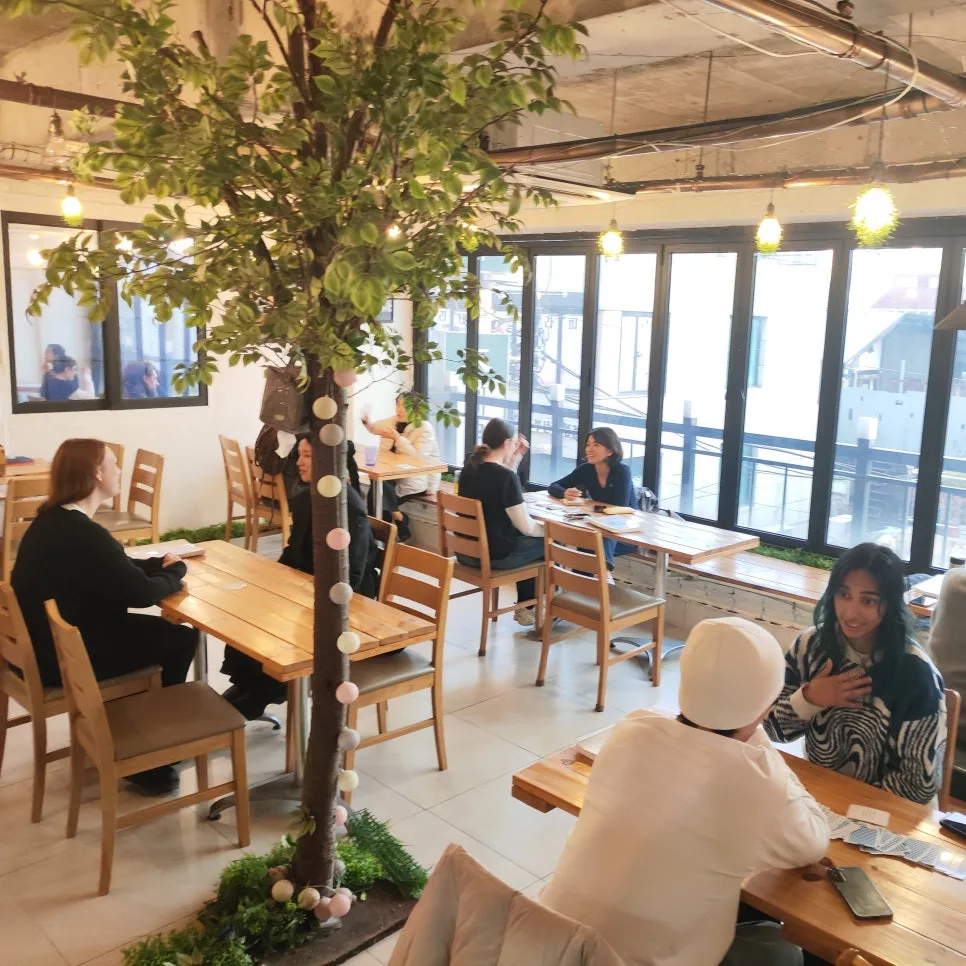
The most effective approach for beginners to learn Korean rapidly involves a multi-pronged strategy that prioritizes understanding the foundational elements and then actively using the language. Start by mastering Hangul, the Korean alphabet, which can typically be learned in 3-7 days due to its logical structure. Once you can read and write Hangul, move on to basic phrases and common sentence structures. Utilizing free online resources like Talk To Me In Korean (TTMIK) for structured lessons and Duolingo for daily practice is highly recommended. Many learners find that integrating K-pop lyrics or K-drama dialogue into their study routine makes the process more engaging and helps with pronunciation and natural speech patterns. Aim for consistent daily study, even if it's just 30 minutes, to build momentum.
How can I improve my Korean speaking skills in 2 months?
To significantly boost your Korean speaking abilities within two months, consistent practice with native speakers or advanced learners is crucial. While formal classes can provide structure, real-world conversation is where fluency is truly built. Look for language exchange partners online or in local Korean communities. Platforms like HelloTalk or Tandem connect you with native Korean speakers who are learning English, allowing for mutual practice. Focus on speaking about topics you're interested in, as this makes the conversation more natural and memorable. Don't be afraid to make mistakes; the goal is communication, not perfection. Many language learners find that dedicated practice sessions, even short ones daily, lead to noticeable improvements in confidence and articulation within an 8-week period.
What are the best free resources for learning Korean?
Several excellent free resources are available for US-based Korean language learners. Talk To Me In Korean (TTMIK) offers a comprehensive curriculum with audio lessons, PDFs, and workbooks covering everything from basic Hangul to advanced grammar. Duolingo provides gamified lessons for daily practice, reinforcing vocabulary and sentence structure. For vocabulary building, Anki, a spaced repetition system (SRS) flashcard app, is invaluable for memorizing words and phrases effectively. YouTube channels dedicated to Korean learning, such as KoreanClass101, also offer a wealth of free video content. Combining these resources allows for a well-rounded learning experience without significant financial investment.
How does K-pop and K-drama help in learning Korean?
K-pop and K-dramas are incredibly popular tools for learning Korean because they provide an immersive and engaging context. Listening to K-pop songs repeatedly helps with pronunciation, rhythm, and memorizing common phrases and slang. Analyzing song lyrics can also deepen your understanding of grammar and vocabulary. K-dramas offer exposure to natural dialogue, different speech levels (formal vs. informal), and cultural nuances. By watching with Korean subtitles, you can connect spoken words with their written form. Many fans actively try to sing along to songs or repeat lines from dramas, turning passive consumption into active learning. This method is particularly effective for developing listening comprehension and picking up colloquial expressions that might not be found in textbooks.
What is the TOPIK test and how can I prepare for it?
The Test of Proficiency in Korean (TOPIK) is the standard assessment for Korean language ability, recognized globally. It measures proficiency for non-native speakers and is often required for university admissions or visa applications in Korea. TOPIK is divided into two levels: TOPIK I (beginner, levels 1-2) and TOPIK II (intermediate to advanced, levels 3-6). Preparation involves understanding the test format, which includes listening, reading, and writing sections (TOPIK II also has a writing component). Consistent study of grammar, vocabulary, and practice with past exam papers is essential. Resources like TTMIK offer specific TOPIK preparation courses, and numerous online guides and practice tests are available to help learners gauge their readiness and identify areas for improvement.
For more details on learning Korean, check the original source below.





