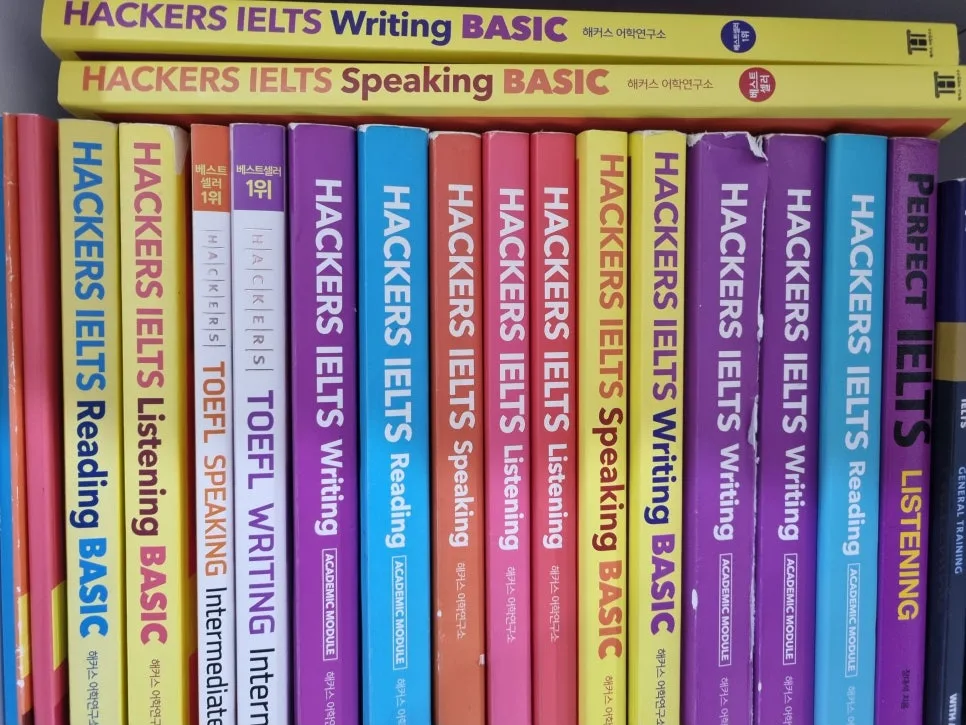
For US learners aiming to master the Korean language, the key is a structured approach that balances foundational knowledge with practical application. While Korean can seem daunting due to its unique script and grammar, starting with the alphabet (Hangul) and basic phrases can lead to conversational fluency within 6-12 months. Resources like Talk To Me In Korean (TTMIK), Duolingo, and Anki flashcards offer accessible pathways, especially when integrated with K-pop lyrics or K-drama dialogues.
Why Is Learning Korean So Popular in the US?
The global surge of Korean culture, known as Hallyu (the Korean Wave), has significantly boosted interest in learning the Korean language among Americans. K-pop groups like BTS and BLACKPINK, alongside hit K-dramas such as 'Squid Game' and 'Crash Landing on You,' have captivated US audiences, inspiring many to delve deeper into the language. This cultural fascination provides a powerful motivator for learners. The Korean language itself, with its logical Hangul alphabet developed in the 15th century, offers a relatively straightforward entry point compared to other East Asian languages. Many learners find that understanding Korean unlocks a richer appreciation for the nuances in their favorite media and fosters a connection with Korean communities both online and offline.
How to Learn Korean: A Step-by-Step Beginner's Roadmap
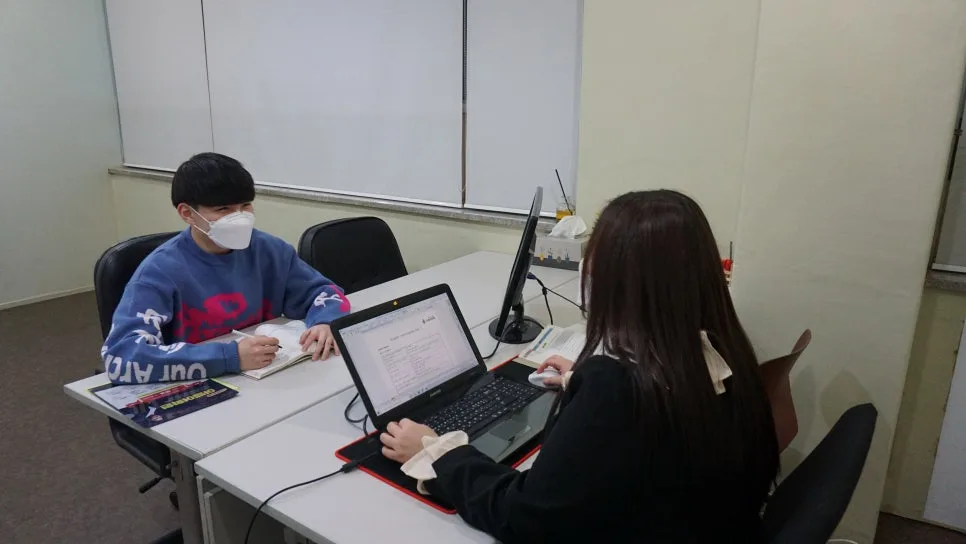
Embarking on your Korean language journey begins with mastering Hangul, the Korean alphabet. This phonetic system is remarkably logical and can typically be learned within 3-7 days. Once you can read Hangul, you can start building basic vocabulary and phrases. Focus on common greetings, essential questions, and everyday expressions. Utilize free online resources like Talk To Me In Korean (TTMIK) for structured lessons, Duolingo for gamified practice, and Anki for spaced repetition flashcards to memorize vocabulary effectively. Aim for at least 15-30 minutes of daily study. As you progress, incorporate Korean media like K-dramas or K-pop songs; try following along with subtitles or even analyzing song lyrics to pick up natural phrasing and pronunciation.
What Are the Best Resources for Learning Korean?
For US-based learners, a wealth of resources exists to support your Korean language studies. Talk To Me In Korean (TTMIK) is highly recommended for its comprehensive curriculum, covering everything from beginner Hangul lessons to advanced grammar. Duolingo offers a fun, accessible way to practice vocabulary and sentence structure on the go. For serious memorization, Anki flashcards are invaluable for drilling vocabulary and grammar rules. YouTube channels dedicated to Korean learning, such as KoreanClass101, provide free video lessons and cultural insights. Many learners also find success by joining online communities or language exchange apps to practice speaking with native speakers. For those aiming for official proficiency, preparing for the TOPIK (Test of Proficiency in Korean) exam can provide a clear learning goal.
Common Mistakes to Avoid When Learning Korean
One common pitfall for beginners is neglecting Hangul and relying solely on romanization, which can hinder pronunciation and reading comprehension in the long run. Another mistake is focusing too much on passive learning (watching dramas, listening to music) without actively practicing speaking and writing. The Korean language features a complex honorific system and different speech levels (formal vs. informal) that can be confusing; understanding these nuances early on is crucial for appropriate communication. Additionally, learners often underestimate the importance of consistent daily practice. Sporadic study sessions are far less effective than shorter, regular engagements. Finally, trying to learn too much too quickly can lead to burnout; a steady, sustainable pace is key to long-term success.
For more details on mastering Korean, explore the original source content.





