Learning Korean for beginners in 2026 is more accessible than ever, with resources like Talk To Me In Korean (TTMIK) and Duolingo making it possible to grasp Hangul in under a week and achieve conversational fluency within 6-12 months. The popular K-drama and K-pop tie-in method allows learners to immerse themselves in the language through engaging content, making the journey both effective and enjoyable.
What's the fastest way to learn Korean?
The fastest way to learn Korean for beginners involves a structured approach that prioritizes mastering Hangul (the Korean alphabet) first, which can typically be accomplished in 3-7 days. Following this, focus on essential phrases and basic grammar for about a month. To accelerate fluency, immerse yourself in Korean culture through K-dramas, K-pop, or Korean variety shows, using subtitles strategically. Resources like Talk To Me In Korean (TTMIK) offer comprehensive online courses, while Duolingo provides gamified daily practice. For serious learners aiming for official proficiency, preparing for the TOPIK (Test of Proficiency in Korean) exam can provide a clear learning roadmap and motivation.
How can I practice Korean speaking skills?
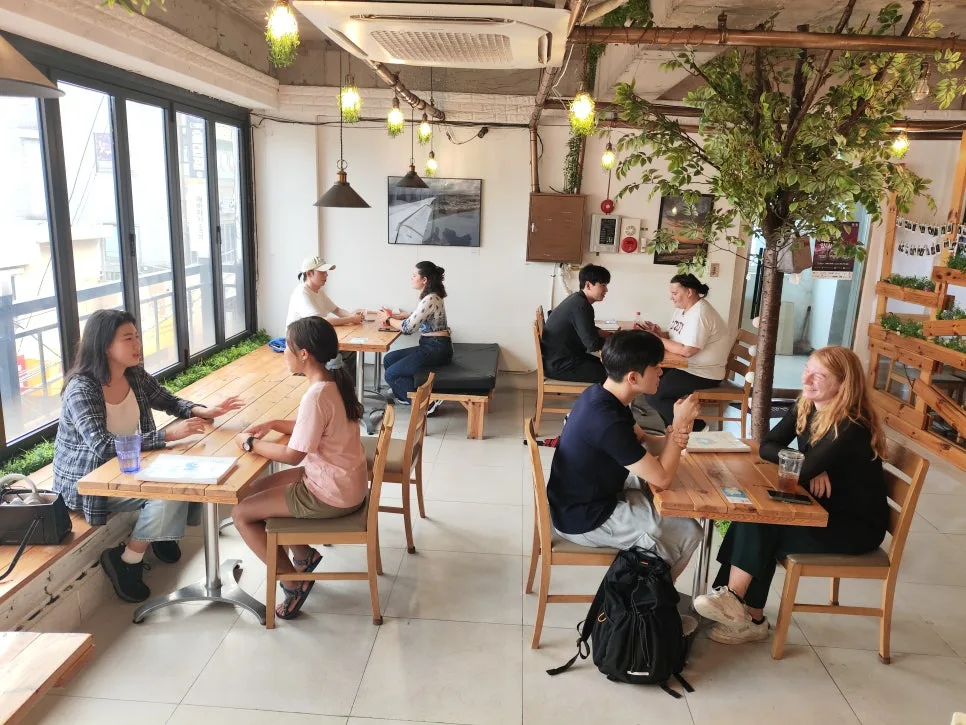
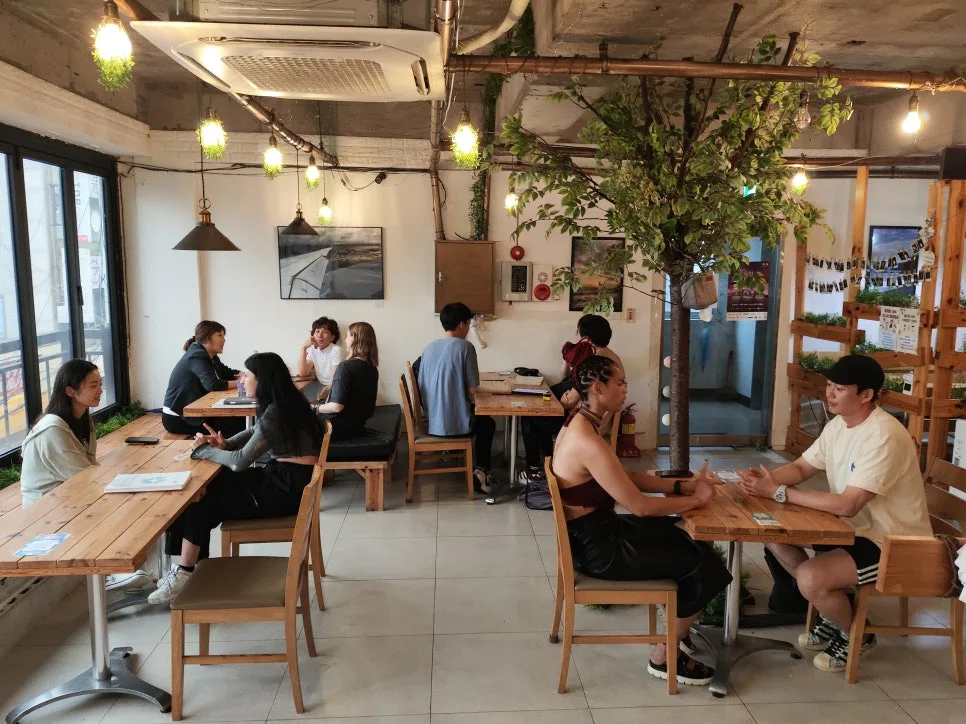
Practicing Korean speaking skills is crucial for achieving fluency, and the most effective method involves consistent interaction. For US learners, this can be achieved through language exchange partners found on apps like HelloTalk or Tandem, or by joining local Korean conversation groups. Many universities with Korean studies programs also host language exchange events. Online platforms like italki offer affordable 1:1 lessons with native Korean tutors, allowing for personalized feedback and practice tailored to your level. Engaging with K-dramas and K-pop isn't just for listening comprehension; try shadowing dialogue or singing along to lyrics to improve pronunciation and intonation. Even talking to yourself in Korean, describing your day or surroundings, can build confidence and reinforce vocabulary.
What are the best free resources to learn Korean?
Several excellent free resources are available for learning Korean, catering to different learning styles. Talk To Me In Korean (TTMIK) offers a vast library of free audio lessons, grammar explanations, and workbooks that guide learners from beginner to advanced levels. Duolingo provides a gamified approach to learning vocabulary and basic sentence structures through daily exercises. YouTube channels like KoreanClass101 and Go Billy Korean offer free video lessons covering grammar, vocabulary, and cultural insights. For practicing Hangul, websites like Write Me Korean allow you to trace characters and test your recognition. Anki, a free spaced-repetition flashcard system, is invaluable for memorizing vocabulary efficiently.
How long does it take to become conversational in Korean?
Becoming conversational in Korean typically takes between 6 to 12 months of consistent study and practice. This timeframe assumes dedicated daily effort, perhaps 30-60 minutes per day, utilizing a mix of learning resources. Initial progress is rapid, especially with mastering Hangul and basic greetings. Within the first month, you can expect to handle simple introductions and everyday phrases. The intermediate stage, where you can form more complex sentences and understand a wider range of spoken Korean, usually develops between months 3-6. Achieving true conversational fluency, where you can discuss various topics with ease and understand nuanced expressions, often requires consistent practice beyond the 12-month mark, especially if immersion opportunities are limited.
Start your Korean learning journey today!





