Ready to finally learn Korean in 2026? This guide breaks down the fastest path from zero to conversational, covering the essential Hangul alphabet, basic phrases, and effective learning strategies. Discover free resources like Talk To Me In Korean and Duolingo, and leverage K-dramas and K-pop to accelerate your fluency. Whether you're aiming for the TOPIK exam or just want to chat with friends, this is your roadmap.
Why is Learning Korean So Popular in 2026?
The global fascination with Korean culture, fueled by K-dramas, K-pop, and Korean cinema, has made learning the Korean language more popular than ever. For US learners, the appeal goes beyond entertainment; it's about connecting with a vibrant culture on a deeper level. Many start their journey motivated by a favorite K-drama or K-pop group, but quickly discover the intellectual satisfaction and career opportunities that come with mastering Korean. The Korean language, with its unique alphabet Hangul, offers a structured and logical learning curve that many find surprisingly accessible. Experts note that consistent exposure, even through media, significantly boosts comprehension and retention, making the learning process enjoyable and effective.
How to Learn Korean Fast: The Beginner's Roadmap
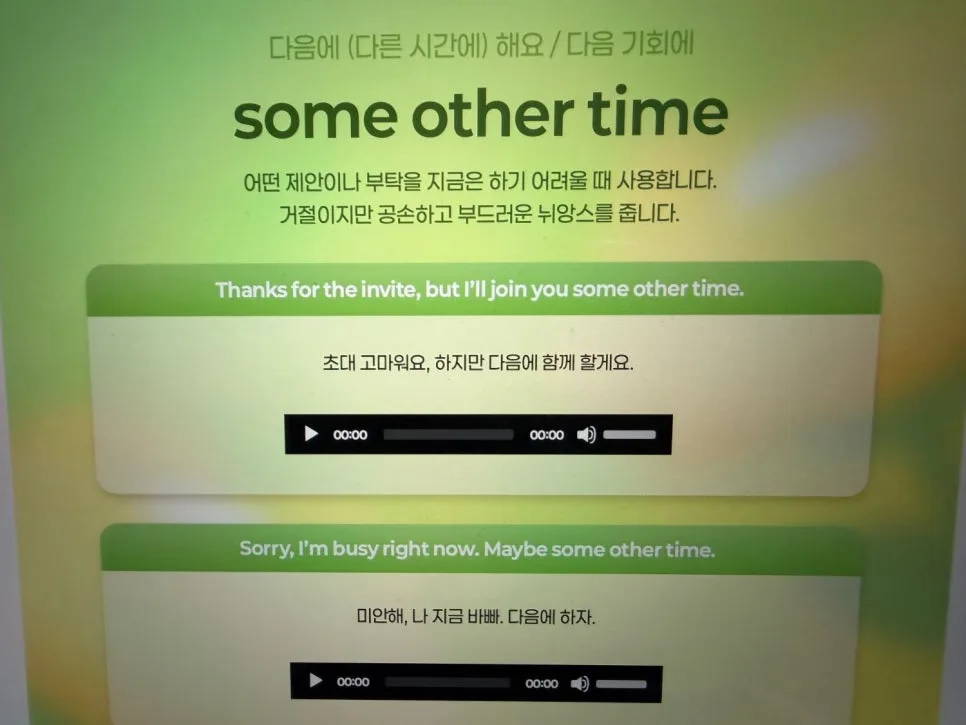
Embarking on your Korean language journey in 2026 requires a clear strategy. The first step is mastering Hangul, the Korean alphabet, which can typically be learned in 3-7 days. Its phonetic nature makes it remarkably easy to grasp. Following this, focus on basic conversational phrases – greetings, introductions, common questions – which can be achieved within a month. For true conversational fluency, aim for 6-12 months of consistent study. Utilize free resources like Talk To Me In Korean (TTMIK) for structured lessons, Duolingo for daily practice, and Anki for vocabulary memorization. Integrating your learning with K-dramas and K-pop music provides an immersive experience, helping you pick up natural speech patterns and slang.
What Are the Best Free Resources for Learning Korean?
Fortunately, aspiring Korean language learners in the US have access to excellent free resources. Talk To Me In Korean (TTMIK) offers a comprehensive curriculum from beginner to advanced levels, with podcasts, PDFs, and YouTube lessons. Duolingo provides gamified daily practice, perfect for building consistent habits. For vocabulary building, Anki flashcards are invaluable for spaced repetition learning. Websites like HowToStudyKorean.com offer detailed grammar explanations. Many YouTube channels also provide free lessons and cultural insights. These resources, when used consistently, can significantly accelerate your progress without any financial cost, making Korean accessible to everyone.
How Long Does It Take to Become Conversational in Korean?
The timeline for achieving conversational Korean fluency varies based on individual dedication, learning methods, and immersion. However, with consistent daily study, most learners can reach a basic conversational level within 6 to 12 months. This means being able to handle everyday situations, understand common phrases, and express oneself on familiar topics. Reaching an intermediate level, where you can discuss a wider range of subjects and understand more complex grammar, typically takes 1-3 years. Advanced fluency, comparable to a native speaker, requires several years of dedicated study and immersion. The TOPIK (Test of Proficiency in Korean) exam can serve as a benchmark for progress, with Level 3 often considered the threshold for basic conversational ability.
For more details, check the original source below.





