
Learning Korean fast in 2026 is achievable for beginners through structured methods like mastering Hangul in under a week, practicing basic phrases daily, and engaging in conversational practice. Resources like Talk To Me In Korean (TTMIK) and Duolingo, combined with K-drama and K-pop immersion, accelerate fluency for US learners aiming for conversational skills within 6-12 months.
How Long Does It Take to Learn Korean Fluently?
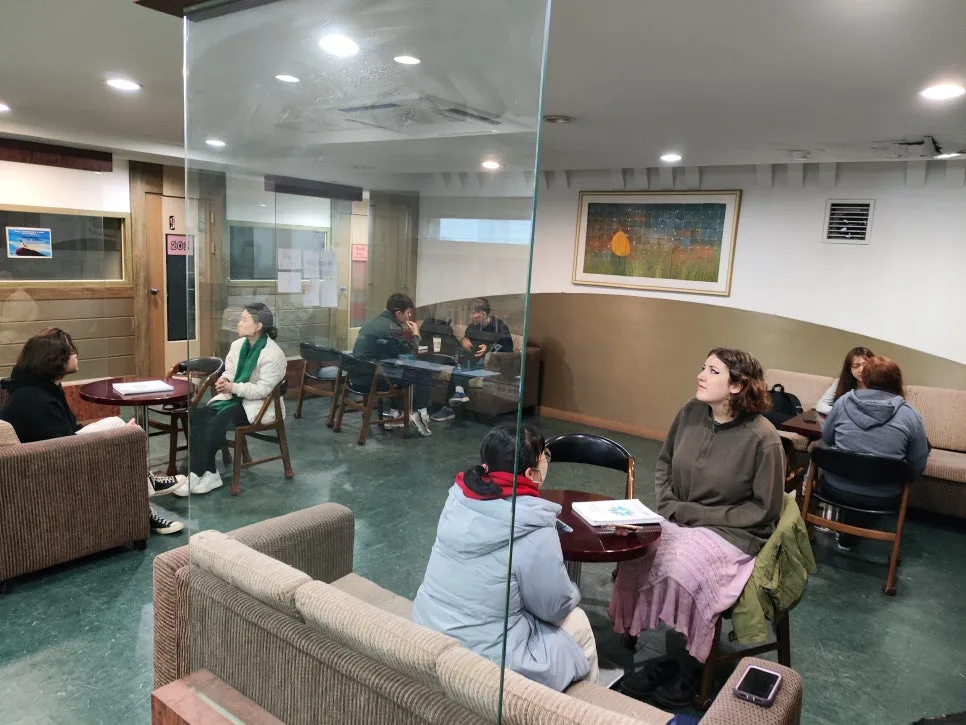
For US learners, the journey to Korean fluency typically spans 6 to 12 months of consistent effort. The initial phase involves mastering Hangul, the Korean alphabet, which can take as little as 3-7 days due to its logical structure. Following this, dedicating about a month to basic phrases and grammar will build a foundation for conversational Korean. Many learners find success by integrating their passion for K-dramas and K-pop into their study routine, using these media for listening comprehension and vocabulary acquisition. Platforms like Talk To Me In Korean (TTMIK) offer structured lessons, while Duolingo provides gamified practice. For those serious about formal proficiency, preparing for the TOPIK (Test of Proficiency in Korean) exam can provide a clear learning roadmap and measurable goals.
What Are the Best Free Resources for Learning Korean?
Fortunately, numerous free resources are available for US-based Korean language learners. Talk To Me In Korean (TTMIK) is a highly recommended platform offering a vast library of free audio lessons, grammar explanations, and vocabulary lists, structured from beginner to advanced levels. Duolingo provides a gamified approach to learning basic vocabulary and grammar through daily practice sessions. For vocabulary building and spaced repetition, Anki flashcards are invaluable. YouTube channels dedicated to Korean language learning offer free tutorials on everything from Hangul pronunciation to complex grammar points. Many K-pop and K-drama fans also leverage fan-made content, like lyric translations and dialogue breakdowns, as supplementary learning tools, making the process more engaging and culturally relevant.
How Can K-Dramas and K-Pop Help You Learn Korean?
K-dramas and K-pop are powerful, engaging tools for accelerating Korean language acquisition for US fans. Watching K-dramas provides exposure to natural conversational Korean, including everyday phrases, slang, and cultural nuances that textbooks often miss. Subtitles (initially in English, then Korean) can aid comprehension. Similarly, listening to K-pop songs and studying their lyrics helps with pronunciation, vocabulary, and sentence structure. Many fans create study guides based on their favorite groups or shows, turning passive consumption into active learning. This immersion method not only improves language skills but also deepens understanding and appreciation of Korean culture, making the learning process more enjoyable and sustainable. It's a highly effective way to practice listening and speaking skills in a fun, context-rich environment.
What Are Common Mistakes for Beginner Korean Learners?
Beginner Korean learners, especially those from English-speaking backgrounds, often make several common mistakes. One is underestimating the importance of mastering Hangul first; jumping straight into romanized Korean hinders pronunciation and long-term progress. Another pitfall is neglecting speaking practice due to shyness or fear of making errors. Unlike English, Korean has a complex honorific system and different speech levels (formal vs. informal) that can be confusing; learners should pay attention to context and politeness. Relying solely on one learning method, like only using Duolingo, can lead to gaps in understanding. Finally, not setting realistic goals or maintaining consistent daily practice can lead to frustration and burnout. Focusing on small, achievable steps and celebrating progress is key.
Ready to start your Korean learning journey? Explore these resources!





