Learning Korean as an adult is achievable with a clear strategy, focusing on practical application like travel conversations. You can master conversational Korean within 6-12 months by following a structured path that begins with Hangul, progresses to basic phrases, and culminates in fluency, even for those starting in their 40s.
Why Is Learning Korean So Popular for US Adults?
Many US adults are drawn to learning Korean, not just for career advancement, but for enriching personal experiences like travel and connecting with Korean culture through K-dramas and K-pop. For instance, someone in their 40s might start learning Korean with the goal of confidently navigating a trip to Seoul, ordering food like Bibimbap at a local restaurant, or understanding song lyrics from their favorite K-pop group. This motivation is powerful. Resources like Talk To Me In Korean (TTMIK) and Duolingo offer accessible entry points, while dedicated language schools provide structured learning paths. The journey often starts with mastering Hangul, the Korean alphabet, which can typically be learned in 3-7 days, followed by basic phrases within a month, leading to conversational fluency in about 6-12 months. This structured approach makes the language feel less daunting and more attainable for busy professionals.
How to Start Learning Korean for Beginners: A Step-by-Step Guide
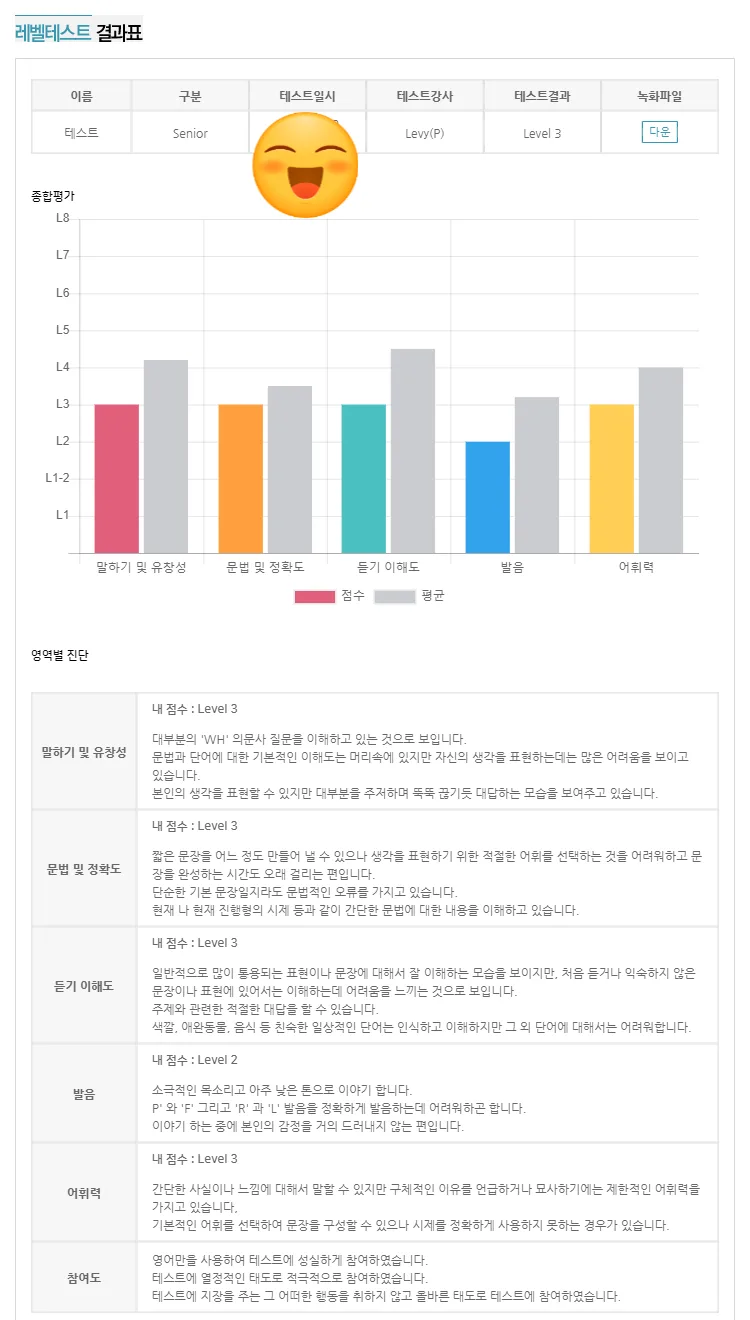
Embarking on your Korean language learning journey requires a clear roadmap. The first crucial step for any beginner, especially adults aiming for conversational fluency, is to find their starting point through a professional level test. This isn't just about assigning a class; it's about understanding your current proficiency in speaking, listening, reading, and writing. For example, a test might reveal that while you know some basic greetings from watching K-dramas, your grammar needs significant work for real-world conversations. Based on this assessment, a tailored learning plan can be developed. Many language programs, like those found at dedicated Korean language institutes or online platforms, offer these assessments. The goal is to identify specific areas for improvement, whether it's mastering Korean sentence structure, practicing common travel phrases, or understanding the nuances of Korean honorifics, ensuring your study time is used effectively.
What Are the Best Resources for Learning Korean Online?
For US-based learners, a wealth of resources exists to make learning Korean accessible and engaging. Talk To Me In Korean (TTMIK) is a highly recommended platform, offering a structured curriculum from beginner to advanced levels through podcasts, PDFs, and online courses, often with a focus on practical, everyday Korean. Duolingo provides a gamified approach to learning basic vocabulary and grammar, perfect for daily practice. For serious learners aiming for official certification, the TOPIK (Test of Proficiency in Korean) is the standard exam, and many resources cater specifically to its preparation. Flashcard apps like Anki are excellent for vocabulary memorization. When choosing resources, consider your learning style: do you prefer structured lessons, gamified practice, or immersive content like K-dramas with subtitles? Combining several resources often yields the best results, allowing you to practice reading Hangul, listening comprehension, and speaking practice through various exercises and dialogues.
How Long Does It Take to Become Conversational in Korean?
The timeline for achieving conversational Korean fluency varies significantly based on individual dedication, learning methods, and the amount of practice. However, a general estimate for reaching a conversational level, where you can comfortably engage in everyday discussions and travel-related interactions, is typically between 6 to 12 months of consistent study. This assumes dedicated learning, perhaps 5-10 hours per week, focusing on practical application. For instance, after about a month of consistent effort, a learner might be able to handle basic greetings and ordering food. Within 6 months, they could likely navigate simple travel scenarios, ask for directions, and understand common responses. Reaching a level where you can discuss more complex topics or understand nuanced K-drama dialogue might take longer, potentially 1-2 years. The key is consistent practice, ideally incorporating speaking opportunities with native speakers or fellow learners whenever possible.
For more details, check the original source below.





