Learning Korean can be surprisingly fast, with the Hangul alphabet taking as little as 3-7 days to master. While basic phrases can be learned in about a month, achieving conversational fluency typically takes 6-12 months. Popular free resources like Talk To Me In Korean (TTMIK) and Duolingo, combined with the motivational power of K-dramas and K-pop, make it an accessible goal for US learners in 2026.
How did a Mexican student experience Korean language learning at a Hangul Day event?
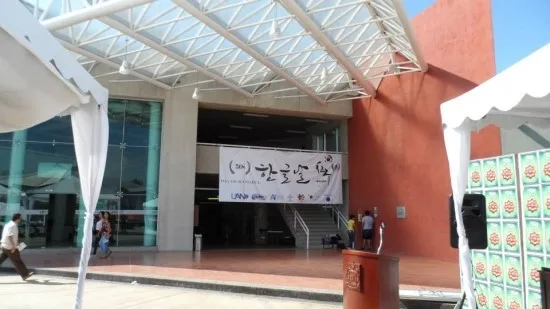
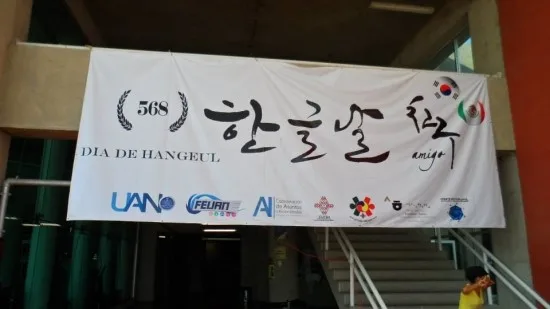
Attending a Hangul Day event, like the one hosted at Universidad Autonoma de Nayarit (UAN), offers a unique and immersive experience for students eager to learn Korean. For students like Alonzo, a Mexican university student, these events are more than just celebrations; they are vibrant festivals that deepen understanding of the Korean language and its rich culture. He found himself captivated by the scientific principles behind Hangul, the Korean alphabet, and the historical context of its creation. Participating in cultural activities, such as trying on a traditional Hanbok, further fueled his passion for Korean. These events provide a tangible connection to Korea, making the language feel more accessible and exciting for international learners.
What are the principles behind the Korean alphabet, Hangul?
Hangul is celebrated globally for its scientific design and ease of learning. King Sejong the Great, who commissioned its creation, aimed to develop a writing system that was accessible to all Koreans, regardless of their literacy level. The design of Hangul consonants is based on the shapes of the speech organs used when producing their sounds, while vowels are inspired by the philosophical concepts of Heaven, Earth, and Humanity (천지인 - Cheon-ji-in). This systematic approach makes Hangul remarkably intuitive. Alonzo was particularly impressed by how





