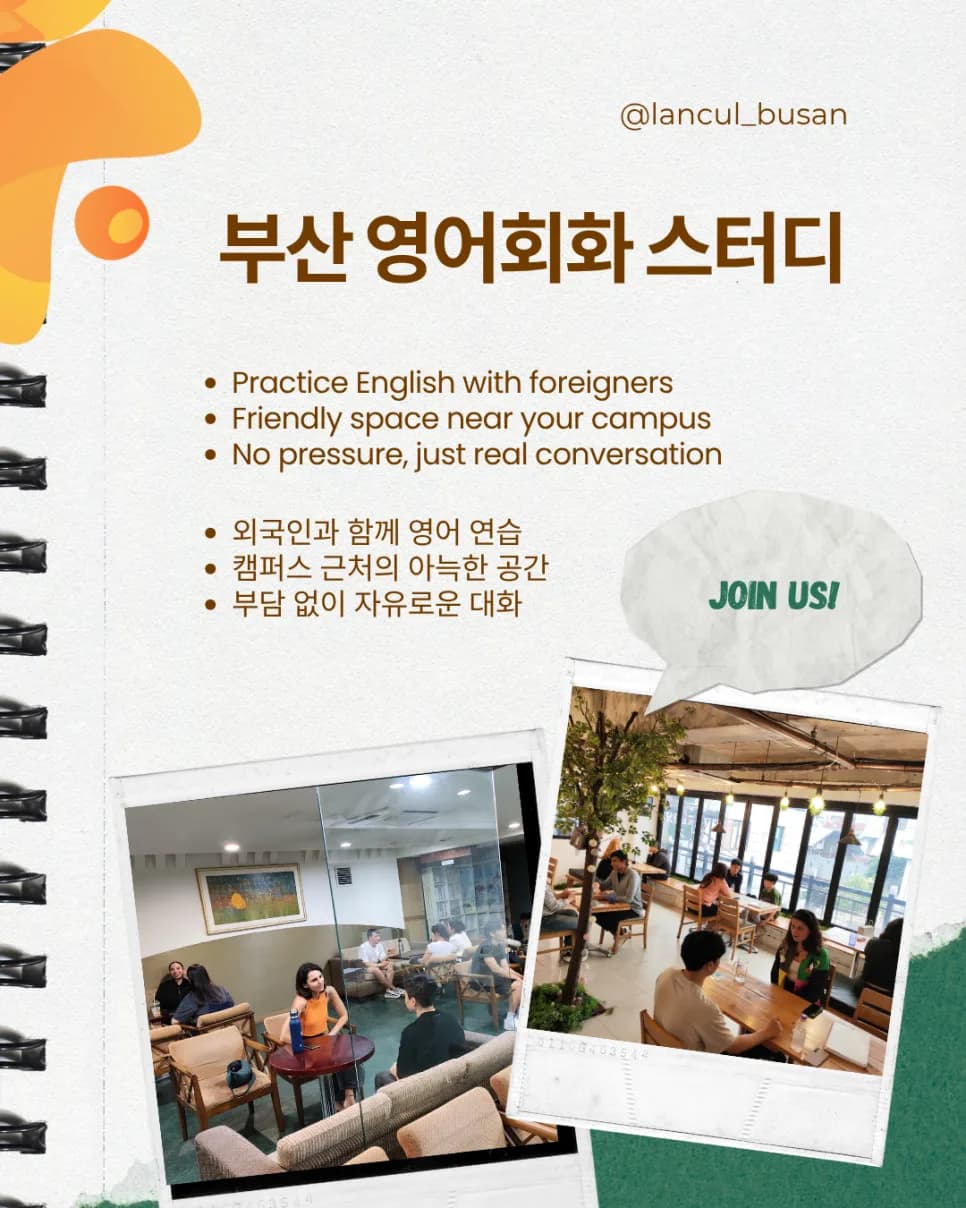
Learning Korean fast in 2026 is achievable by focusing on practical application, starting with the Hangul alphabet, and immersing yourself in the language through media and conversation. A structured approach, like dedicating 3-7 days to Hangul, then moving to basic phrases and conversational practice, can lead to fluency within 6-12 months.
What are the biggest hurdles for English speakers learning Korean?
Many English speakers find learning Korean challenging due to significant differences in grammar, vocabulary, and the unique honorific system. Unlike English, Korean sentence structure is typically Subject-Object-Verb (SOV), which requires a mental shift. The absence of gendered nouns and articles, common in English, can also be confusing. Furthermore, mastering the nuances of politeness levels, or honorifics, is crucial for appropriate social interaction in Korea. While the Hangul alphabet is remarkably logical and easy to learn (often mastered in just a few days), the path to conversational fluency involves consistent practice and exposure to authentic language use, which can be difficult to find outside of Korea.
How can you effectively learn Korean for beginners?
For beginners aiming to learn Korean fast, the most effective strategy involves a multi-pronged approach. Start by dedicating 3-7 days to mastering the Hangul alphabet; its phonetic system is highly intuitive and will unlock reading and pronunciation. Utilize free online resources like Talk To Me In Korean (TTMIK) for structured lessons, Duolingo for vocabulary and basic grammar drills, and Anki for spaced repetition flashcards to memorize vocabulary. Once you have a grasp of Hangul and basic phrases (typically within a month), actively seek opportunities for speaking practice. Watching K-dramas and listening to K-pop with Korean subtitles can significantly improve listening comprehension and expose you to natural speech patterns and common expressions. Aim for consistent daily study, even if it's just 15-30 minutes, to build momentum.
What are the best resources for learning Korean in 2026?
In 2026, a wealth of resources exists to help you learn Korean, catering to various learning styles and budgets. For structured learning, Talk To Me In Korean (TTMIK) offers comprehensive free audio and PDF lessons covering grammar from beginner to advanced levels. Duolingo provides gamified practice for vocabulary and basic sentence construction, accessible on mobile. For serious learners aiming for official proficiency, the TOPIK (Test of Proficiency in Korean) exam is the standard, and many online courses and textbooks are designed to prepare students for it. To supplement formal study, immerse yourself in Korean culture: watch K-dramas on platforms like Netflix and Viki (using Korean subtitles), listen to K-pop playlists on Spotify or Apple Music, and explore Korean YouTube channels. Websites like HowToStudyKorean.com offer in-depth grammar explanations, and apps like Papago are excellent for translation and checking natural phrasing.
How long does it realistically take to become conversational in Korean?
Becoming conversational in Korean typically takes between 6 to 12 months of consistent, dedicated study. This timeline assumes daily practice, focusing on both receptive skills (listening and reading) and productive skills (speaking and writing). The initial phase, mastering Hangul and basic phrases, can take about a month. The subsequent 5-11 months are dedicated to building vocabulary, understanding complex grammar, and crucially, practicing speaking. Factors influencing this timeframe include your native language (English speakers may find certain aspects easier or harder), the intensity of your study (e.g., 1 hour daily vs. 3 hours daily), and the amount of authentic exposure you get. Actively engaging with native speakers, even through online language exchange platforms, can significantly accelerate progress towards conversational fluency.
For more details, check the original source below.