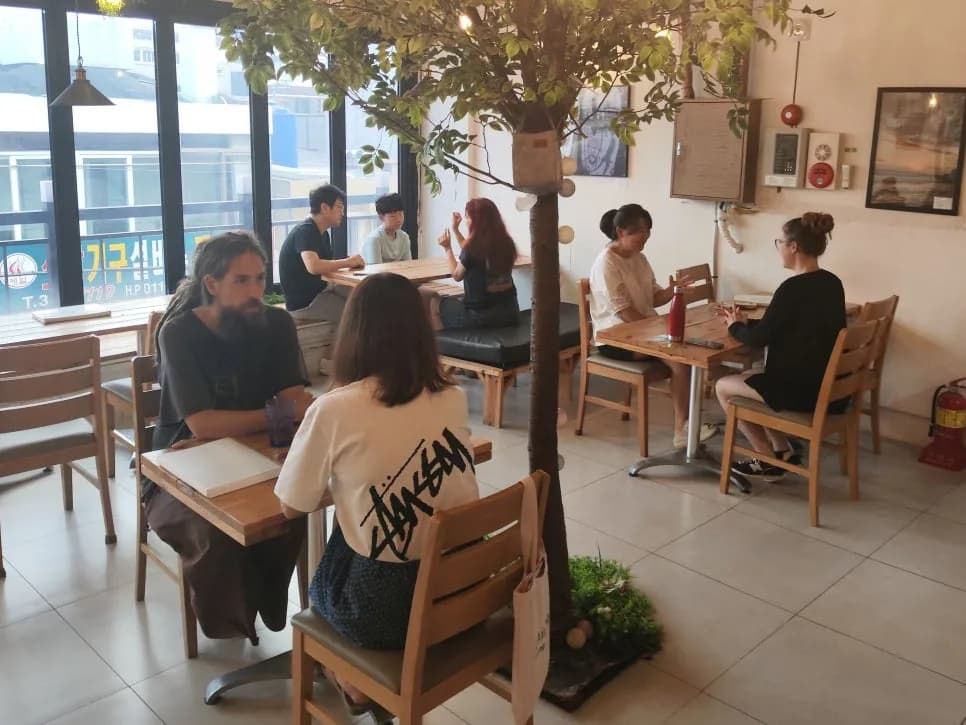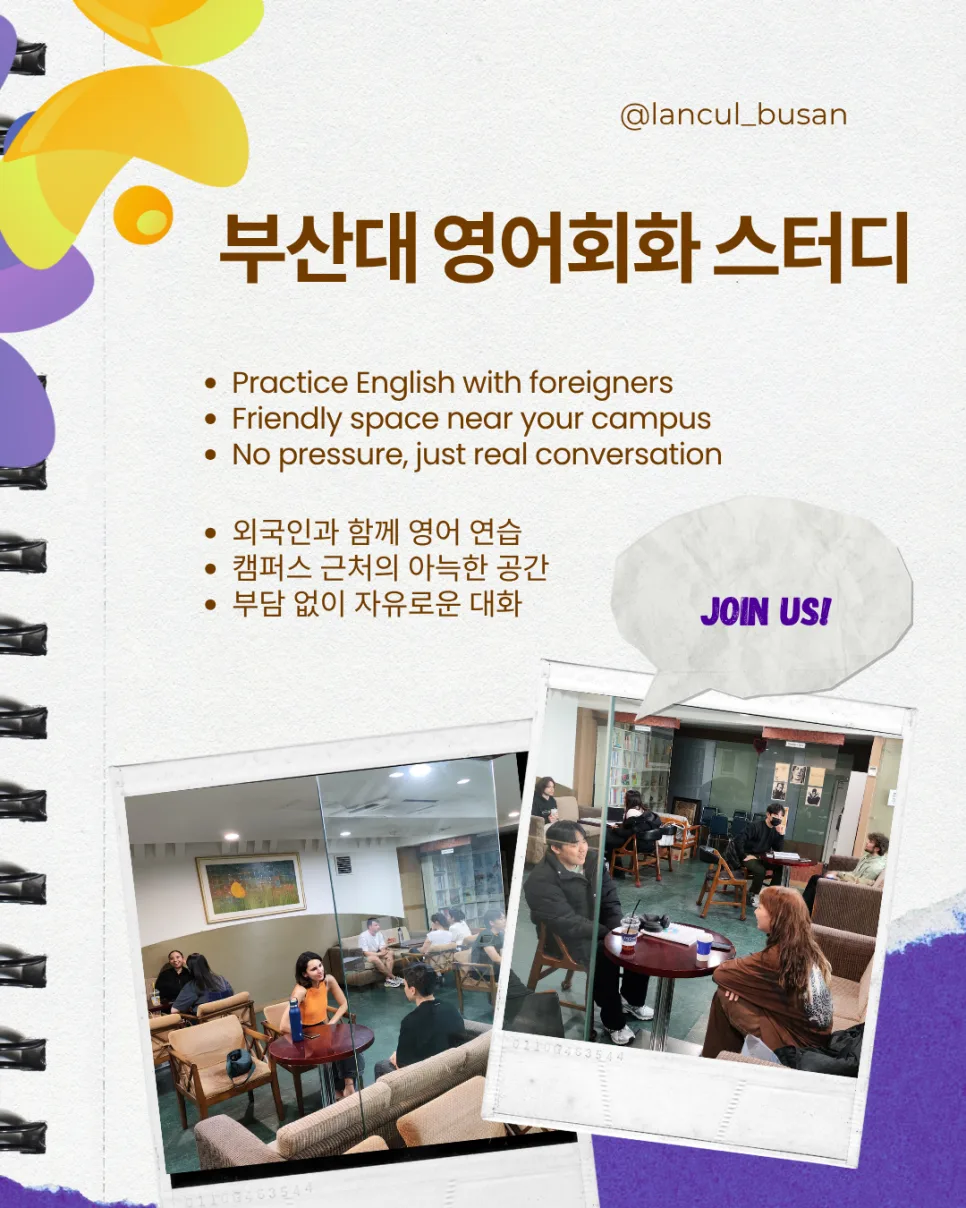
Ready to finally become conversational in Korean? The fastest way to learn Korean is through consistent, active practice with native speakers, mimicking the immersive experience of studying abroad. This approach, popular with K-drama and K-pop fans, builds confidence and fluency much quicker than traditional methods. For US learners, this means finding accessible resources that offer real-world speaking opportunities to master the Korean language.
How to Learn Korean Effectively for Beginners?
The key to mastering Korean, especially for beginners, lies in consistent exposure and active speaking practice. While learning Hangul (the Korean alphabet) can take as little as 3-7 days, achieving conversational fluency typically requires 6-12 months of dedicated effort. Resources like Talk To Me In Korean (TTMIK) offer structured lessons, while apps like Duolingo provide daily practice. However, the most impactful method for US-based learners is engaging in real conversations. This is where platforms offering direct interaction with native Korean speakers shine, providing an immersive experience that accelerates learning and builds confidence for real-world situations, whether for travel, work, or enjoying Korean culture.
What Are the Best Free Resources to Learn Korean?
For US-based learners, several free resources can kickstart your Korean language journey. Talk To Me In Korean (TTMIK) is a highly recommended platform offering a comprehensive curriculum from beginner to advanced levels, with many lessons available for free on their website and YouTube channel. Duolingo provides gamified daily practice for basic vocabulary and grammar, ideal for building a consistent learning habit. For vocabulary building, Anki flashcards, which utilize spaced repetition, are incredibly effective. Many K-pop and K-drama fans also leverage their favorite media by finding lyrics, scripts, and fan-made study guides online, turning entertainment into an educational tool.
How Long Does It Take to Learn Korean Fluently?
The timeline for learning Korean varies significantly based on individual dedication, learning methods, and immersion levels. For US learners, reaching basic conversational fluency—the ability to handle everyday interactions and understand common phrases—typically takes about 6 to 12 months of consistent study. This includes mastering Hangul, learning essential grammar, and practicing speaking regularly. Achieving advanced fluency, where you can discuss complex topics and understand nuanced conversations, can take several years. The Foreign Service Institute (FSI) ranks Korean as a Category IV language, meaning it takes English speakers approximately 2200 class hours to reach professional working proficiency, highlighting the commitment required for deep mastery.
What Are Common Pitfalls for English Speakers Learning Korean?
English speakers learning Korean often encounter specific challenges. One major hurdle is the Korean language's sentence structure, which is Subject-Object-Verb (SOV), unlike English's Subject-Verb-Object (SVO). This requires a significant mental shift. Another is the complex honorific system, where speech patterns change based on the age and social status of the person you're speaking to. Pronunciation can also be tricky, with sounds that don't exist in English. Finally, relying solely on passive learning, like watching K-dramas without actively practicing speaking, can hinder progress. Overcoming these requires focused practice on grammar, pronunciation, and most importantly, consistent speaking with native speakers.