
Learning Korean fast in 2026 is achievable with a structured approach, focusing on Hangul (the Korean alphabet) first, then basic phrases, and finally conversational fluency. Many US learners find success by integrating K-dramas and K-pop into their study, using resources like Talk To Me In Korean (TTMIK) and Duolingo, aiming for conversational skills within 6-12 months after mastering Hangul in under a week.
What is the fastest way to learn Korean for beginners?
For beginners aiming to learn Korean quickly, the most effective strategy is a phased approach that builds foundational knowledge systematically. Start by dedicating 3-7 days to mastering Hangul, the Korean alphabet, which is remarkably logical and easy to learn. Once you can read and write Hangul, move on to basic Korean phrases used in everyday situations. Many US learners find that incorporating K-dramas and K-pop music into their study routine significantly boosts motivation and aids in pronunciation and vocabulary acquisition. Resources like Talk To Me In Korean (TTMIK) offer structured lessons, while Duolingo provides gamified practice. The goal is to reach a basic conversational level within 6-12 months, which is a realistic timeframe for dedicated learners.
How can I improve my Korean listening skills effectively?
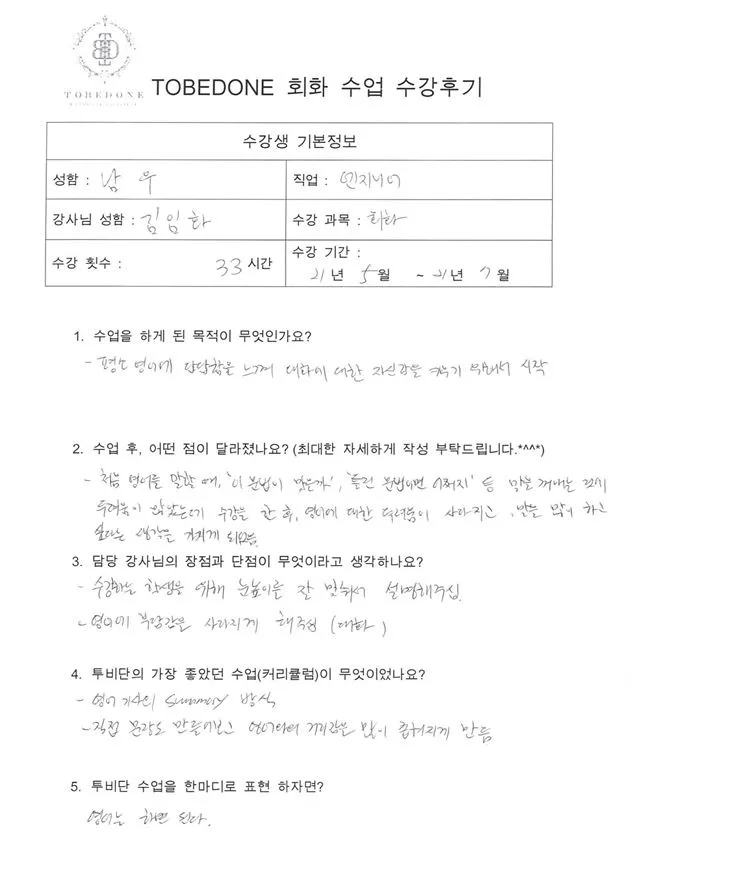
Improving Korean listening skills is crucial for conversational fluency, as understanding spoken Korean accounts for a significant portion of communication. At the beginner to intermediate level, it's essential to utilize listening materials tailored to your proficiency. For instance, using dialogues from Korean learning platforms like TTMIK or specific K-drama clips with subtitles can help. The key is to engage in repeated listening practice, focusing on understanding the context and key phrases. Many Korean language schools in the US recommend actively trying to respond to what you hear, even if it's just a simple acknowledgment or a short answer, to build practical communication reflexes. This active listening and responding method helps bridge the gap between passive comprehension and active participation in conversations.
What are the benefits of Korean pronunciation and debate classes?
Korean pronunciation and debate classes offer a powerful synergy for comprehensive language development. Focused pronunciation training helps learners articulate Korean sounds accurately, which is vital for clear communication and avoiding misunderstandings. This often involves detailed instruction on specific Korean phonemes and intonation patterns. Debate classes, on the other hand, push learners to think critically and express complex ideas in Korean. By discussing various topics, often based on articles or current events, students expand their vocabulary, improve their logical reasoning, and gain confidence in structuring arguments. This combination not only refines speaking abilities but also enhances overall fluency and the capacity for nuanced expression, making it a highly effective method for advanced learners.
What are practical tips for improving conversational Korean skills?
To truly improve your conversational Korean skills, focus on practical application and consistent effort. A key tip is to prioritize creating simple, clear sentences based on fundamental grammar structures, like 'subject + verb.' Avoid the temptation to construct overly complex sentences too early; mastering short, accurate statements builds a solid foundation. Simultaneously, dedicate time to consistent vocabulary study. Learning new words and phrases daily, and actively trying to incorporate them into your practice, will significantly broaden your expressive range. For US-based learners, finding language exchange partners online or joining local Korean conversation groups can provide invaluable real-world practice and feedback, accelerating your journey to fluency.
English crawl path
Next English reads from this pilot cluster
Continue through the category hub, latest English stories, and related posts so this translated article is not an isolated URL.
Tags
💬Frequently Asked Questions
What should I check first in How to Learn Korean Fast: A 2026 Beginner's Guide?
Does this Language Learning article link back to the Korean source?
Where can I find similar English stories?
English discovery path
Explore more English K-culture stories
Keep browsing the indexed English pilot cluster so Google and readers can move between this story, the category hub, and fresh discovery pages.
Original Source
Read the Korean original





