
Learning Korean fast in 2026 is achievable for US learners by focusing on Hangul first, then basic phrases, and aiming for conversational fluency within 6-12 months. Utilize free resources like Talk To Me In Korean (TTMIK) and Duolingo, and leverage K-dramas and K-pop to make learning engaging and practical.
Why is Learning Korean So Popular in the US?
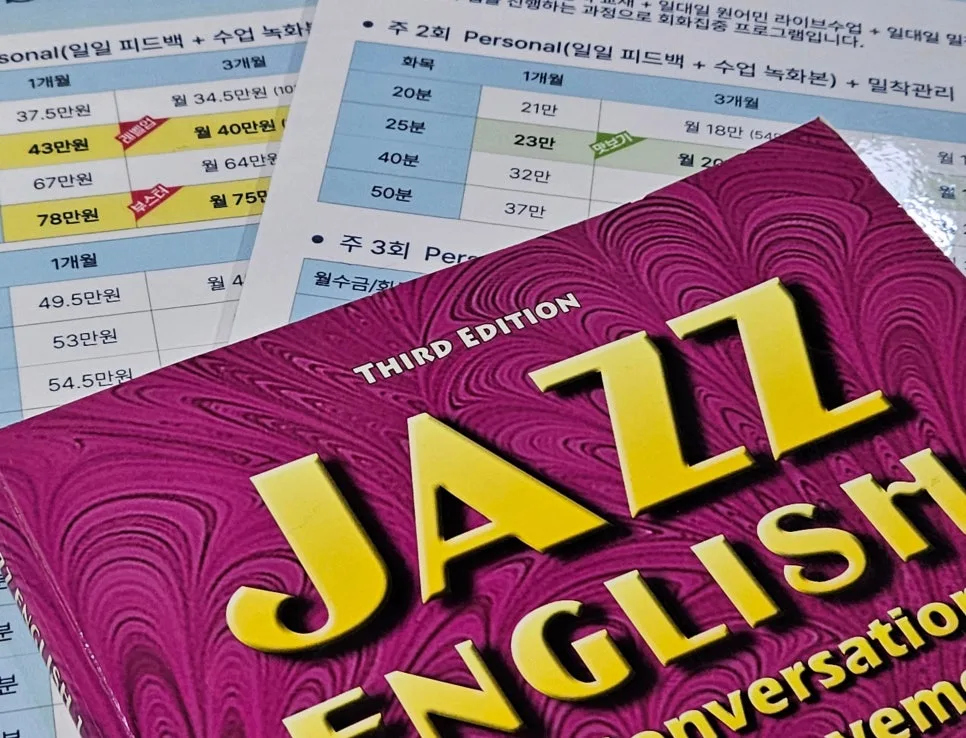
The global surge in Korean culture, often called Hallyu or the Korean Wave, has dramatically boosted interest in learning the Korean language among Americans. Driven by the massive popularity of K-dramas on platforms like Netflix and K-pop groups such as BTS and BLACKPINK, many US fans are motivated to understand their favorite content without subtitles. This cultural immersion creates a strong desire to connect more deeply with Korean entertainment and its creators. For instance, learning basic Korean phrases can unlock a richer understanding of song lyrics or dialogue nuances. Many US learners find that engaging with Korean media provides a fun and effective way to practice vocabulary and pronunciation, making the learning process feel less like a chore and more like a hobby. This trend is further supported by accessible online resources and language learning apps, making it easier than ever for Americans to start their Korean language journey.
How to Master Hangul (The Korean Alphabet) Quickly
The first step for any beginner learning Korean is mastering Hangul, the Korean alphabet. Unlike complex character-based writing systems, Hangul is remarkably logical and phonetic, designed for ease of learning. Korean language experts, like those at Talk To Me In Korean (TTMIK), recommend dedicating just 3-7 days to learning its basic vowels and consonants. You can find numerous free resources online, including interactive apps like Duolingo and websites offering free Hangul charts and pronunciation guides. Practice writing each character and sounding out simple syllables. For example, learning 'ㄱ' (g/k) and 'ㅏ' (a) allows you to form '가' (ga). Consistent daily practice, even for just 15-30 minutes, is key. Many US learners find flashcard apps like Anki incredibly helpful for memorizing the characters and their sounds efficiently.
What Are the Best Free Resources for Learning Korean?
US learners have access to a wealth of free resources to kickstart their Korean language journey. Talk To Me In Korean (TTMIK) is a highly recommended platform offering structured audio lessons, grammar explanations, and workbooks covering everything from beginner Hangul to advanced conversational Korean. Duolingo provides a gamified approach to learning basic vocabulary and sentence structures, perfect for daily practice. For vocabulary building, Anki flashcards allow users to create custom decks or download pre-made ones for efficient memorization. YouTube channels dedicated to teaching Korean offer free video lessons on grammar, pronunciation, and cultural insights. Many K-pop and K-drama fan communities also share learning resources and practice opportunities, making it easier to find study partners and stay motivated.
How Long Does It Take to Become Conversational in Korean?
Becoming conversational in Korean typically takes between 6 to 12 months of consistent study for English speakers. The initial phase involves mastering Hangul (3-7 days) and basic phrases (about 1 month). Following this, learners can focus on building vocabulary and grammar for everyday conversations. The Foreign Service Institute (FSI) ranks Korean as a Category III language for English speakers, meaning it requires approximately 2200 class hours to reach professional working proficiency. However, for conversational fluency—the ability to handle everyday interactions—the timeline is much shorter with dedicated effort. Factors like daily study time, immersion opportunities (even through media), and active speaking practice significantly influence progress. Many learners find that integrating Korean into their daily lives through K-dramas, music, and language exchange partners accelerates their journey to fluency.
Common Mistakes to Avoid When Learning Korean
A common pitfall for US learners is the pursuit of perfection, leading to hesitation in speaking. It's crucial to understand that making mistakes is a natural part of language acquisition. Don't let the fear of saying something incorrectly prevent you from practicing. Another mistake is relying too heavily on rote memorization without applying the language in real contexts. Simply memorizing vocabulary lists won't lead to fluency. Instead, focus on using new words and grammar in sentences, even if they're simple. Over-reliance on one learning method, like only using Duolingo, can also be limiting. Diversifying your learning with resources like TTMIK, speaking practice, and consuming Korean media will provide a more well-rounded education. Finally, neglecting pronunciation practice can lead to misunderstandings, so pay attention to Korean phonetics from the start.
English crawl path
Next English reads from this pilot cluster
Continue through the category hub, latest English stories, and related posts so this translated article is not an isolated URL.
Tags
💬Frequently Asked Questions
What should I check first in How to Learn Korean Fast in 2026: Beginner's Guide?
Does this Language Learning article link back to the Korean source?
Where can I find similar English stories?
English discovery path
Explore more English K-culture stories
Keep browsing the indexed English pilot cluster so Google and readers can move between this story, the category hub, and fresh discovery pages.
Original Source
Read the Korean original





