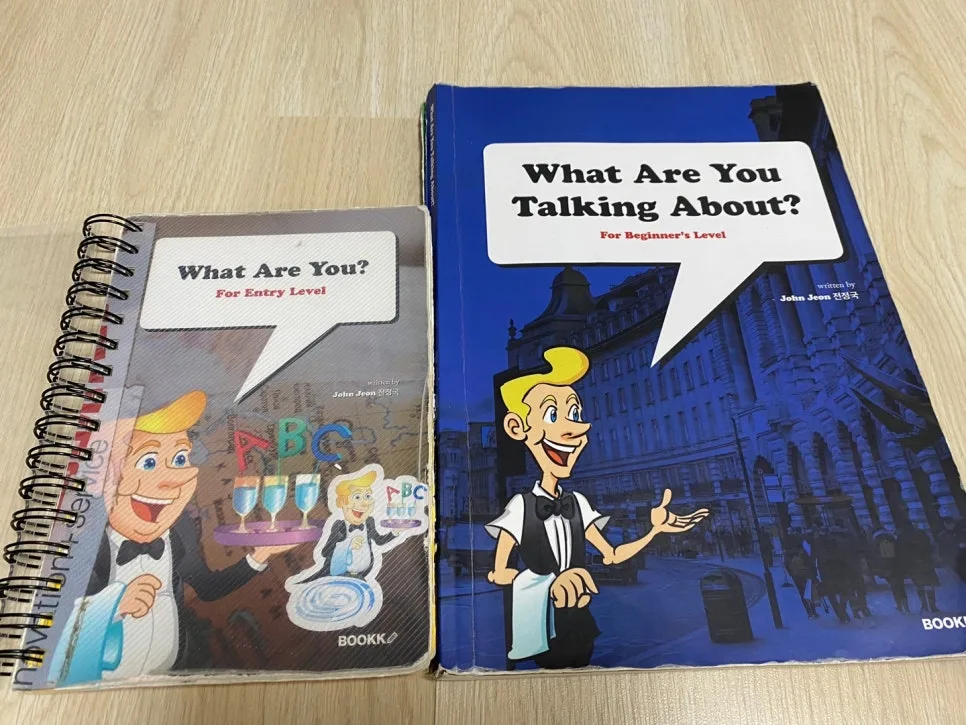
Mastering the Korean language in 2026 is achievable with the right strategies, even if you're starting from scratch. This guide focuses on effective learning paths for beginners, emphasizing consistent practice and engaging methods to build conversational fluency.
What's the best way to set Korean language learning goals for 2026?
Many Americans are inspired to learn Korean each year, often driven by K-dramas, K-pop, or a general fascination with Korean culture. To make your 2026 goal a reality, a structured approach is key. For absolute beginners, focusing on mastering Hangul (the Korean alphabet) in the first week is crucial. This foundational step takes about 3-7 days. Following this, dedicate about a month to learning basic phrases and sentence structures. The ultimate goal for many is conversational fluency, which typically takes 6-12 months of consistent effort. Utilizing free resources like Talk To Me In Korean (TTMIK), Duolingo, and Anki flashcards can significantly aid your progress. Engaging with content you love, like K-dramas or K-pop lyrics, makes the learning process more enjoyable and effective.
How can I make learning Korean fun and engaging in 2026?
The secret to successful language learning, especially for busy Americans, lies in consistency and enjoyment. To keep your motivation high throughout 2026, integrate fun elements into your study routine. This could involve using interactive apps, watching Korean dramas with subtitles, or listening to K-pop songs and trying to decipher the lyrics. Practicing frequently, even for short periods daily, is more beneficial than infrequent marathon study sessions. Don't be afraid to make mistakes; they are a natural part of the learning process. Embracing a playful approach, perhaps through language exchange partners or online games designed for learners, can transform daunting grammar drills into exciting challenges. Remember, the goal is communication, not perfection, especially in the early stages.
What are effective methods for practicing Korean sentence patterns?
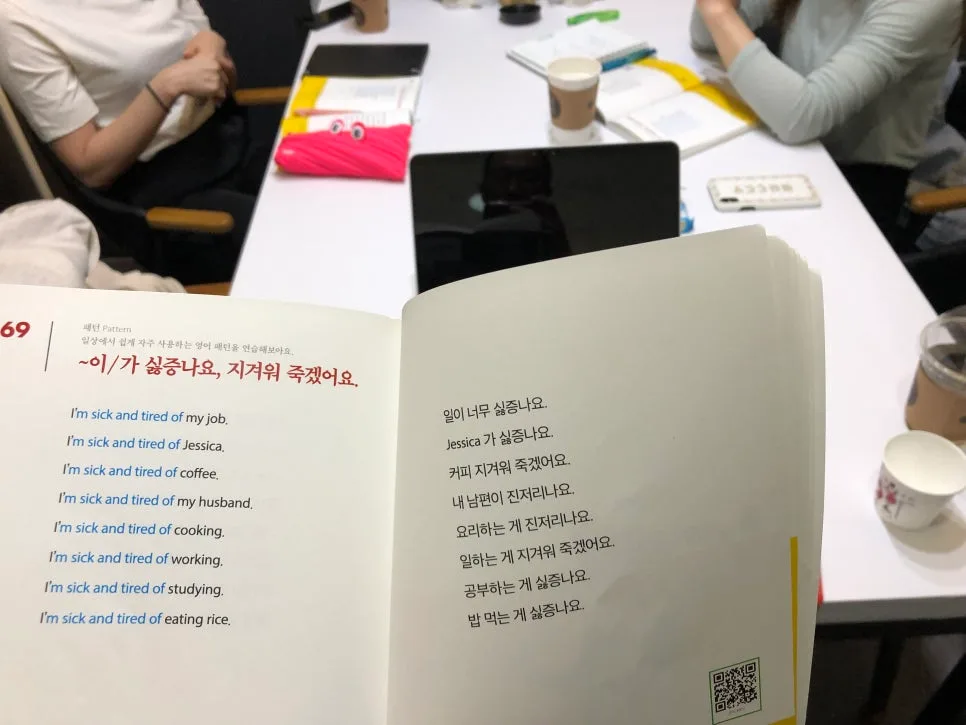
Practicing Korean sentence patterns is vital for building conversational fluency. Start by identifying the most frequently used patterns in everyday Korean. Resources like TTMIK offer excellent structured lessons that break down these patterns clearly. Once you understand a pattern, the key is repetition. Try saying the pattern aloud multiple times, substituting different words to create new sentences. Speed quizzes can be a fun way to test your recall and reaction time. For instance, you could have a prompt and try to form a correct Korean sentence within a few seconds. Visual aids and flashcards can also help reinforce these patterns. The aim is to internalize these structures so they become second nature, allowing you to speak more spontaneously and confidently.
What are common pitfalls for adult Korean learners, and how can I avoid them?
Adult learners of Korean often fall into a few common traps that can hinder progress. One of the biggest is perfectionism. Fearing mistakes can lead to hesitation and a reluctance to speak, which is counterproductive. It's essential to remember that making errors is a normal part of learning any language. Focus on communicating your message rather than crafting flawless sentences, especially early on. Another pitfall is becoming overly fixated on grammar rules. While grammar is important for accuracy, an excessive focus on memorizing rules can stifle fluency. Prioritize understanding and using core grammatical concepts in context. Finally, maintaining motivation can be challenging. Finding a learning method that genuinely interests you—whether it's through K-dramas, music, or conversation partners—is crucial for long-term success. Setting realistic goals and celebrating small victories along the way will help keep you on track throughout 2026.
For more details, check the original source below.





