
Learning Korean quickly in 2026 is achievable by focusing on conversational practice over grammar drills. Prioritize speaking and listening, mirroring how native speakers naturally acquire the language. Resources like Talk To Me In Korean (TTMIK) and Duolingo offer structured paths, while consistent engagement with K-dramas and K-pop can significantly boost vocabulary and fluency.
Why is learning Korean so popular with Americans in 2026?
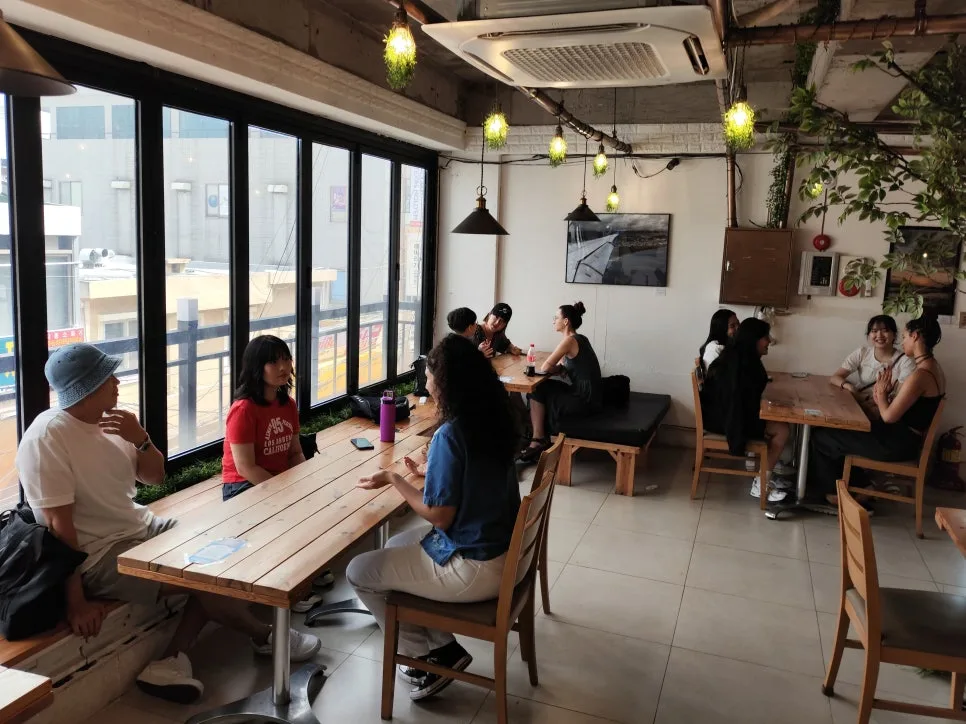
The global surge of Hallyu, the Korean Wave, has dramatically increased interest in learning the Korean language among Americans. Driven by the immense popularity of K-dramas on platforms like Netflix and Viki, and the global phenomenon of K-pop groups such as BTS and BLACKPINK, many fans are motivated to connect more deeply with Korean culture. This goes beyond just entertainment; understanding Korean opens doors to appreciating authentic cuisine, following the latest K-beauty trends, and even planning travel to vibrant cities like Seoul. For many, learning Korean is a gateway to a richer cultural experience, transforming passive consumption into active engagement with a culture that has captivated the world.
What's the most effective way to learn Korean for beginners?
For beginners aiming for fluency, the most effective learning strategy prioritizes active communication. While grammar is essential, focusing on speaking and listening from day one yields faster results than traditional reading and writing-heavy approaches. Think of it like learning to drive: you need practical experience behind the wheel, not just reading the manual. Korean language learning platforms like Talk To Me In Korean (TTMIK) offer excellent, accessible courses that emphasize practical usage. Duolingo is also a great free tool for building foundational vocabulary and sentence structure. The key is consistent practice, even if it's just 15-30 minutes daily, to build momentum and make the language a natural part of your routine.
Related Content
How long does it take to become conversational in Korean?
Becoming conversational in Korean typically takes between 6 to 12 months of consistent, dedicated study. This timeline assumes daily practice, focusing on speaking and listening, and utilizing resources like TTMIK or language exchange partners. The Korean alphabet, Hangul, can be mastered in as little as 3-7 days, providing a crucial foundation. Basic phrases and conversational ability can often be achieved within the first month. For those aiming for advanced fluency or passing the TOPIK (Test of Proficiency in Korean), a longer commitment of 1-2 years is usually necessary. Remember, immersion, even simulated through K-dramas and music, significantly accelerates the learning curve.
What is the best order for learning Korean language skills?
The most effective sequence for learning Korean prioritizes skills that mirror natural language acquisition. Start with speaking and listening, as these are the core components of conversation. This is followed by writing, then reading, and finally, grammar study. This approach is highly effective because speaking and listening involve active production and comprehension, directly building conversational ability. Writing reinforces what you've learned through speaking and listening. Reading expands vocabulary and understanding of sentence structures. Grammar study, while important, is best approached after you have a foundational understanding of how the language is used in practice. This order ensures you're building practical communication skills from the outset.
What should I know before starting Korean language classes?
Before diving into Korean language classes, whether online or in person, set realistic expectations. Aim for consistent effort rather than immediate perfection. Embrace mistakes as learning opportunities; they are an inevitable and crucial part of mastering a new language. Actively participate in every class, ask questions, and seek out opportunities to practice speaking outside of lessons. Finding a language exchange partner or joining online communities can provide invaluable real-world practice. Consistency is key – even short, daily study sessions are more effective than infrequent marathon study periods. Remember, the journey to fluency is a marathon, not a sprint, and celebrating small victories along the way is important.
Discover more about mastering the Korean language in this comprehensive guide.





