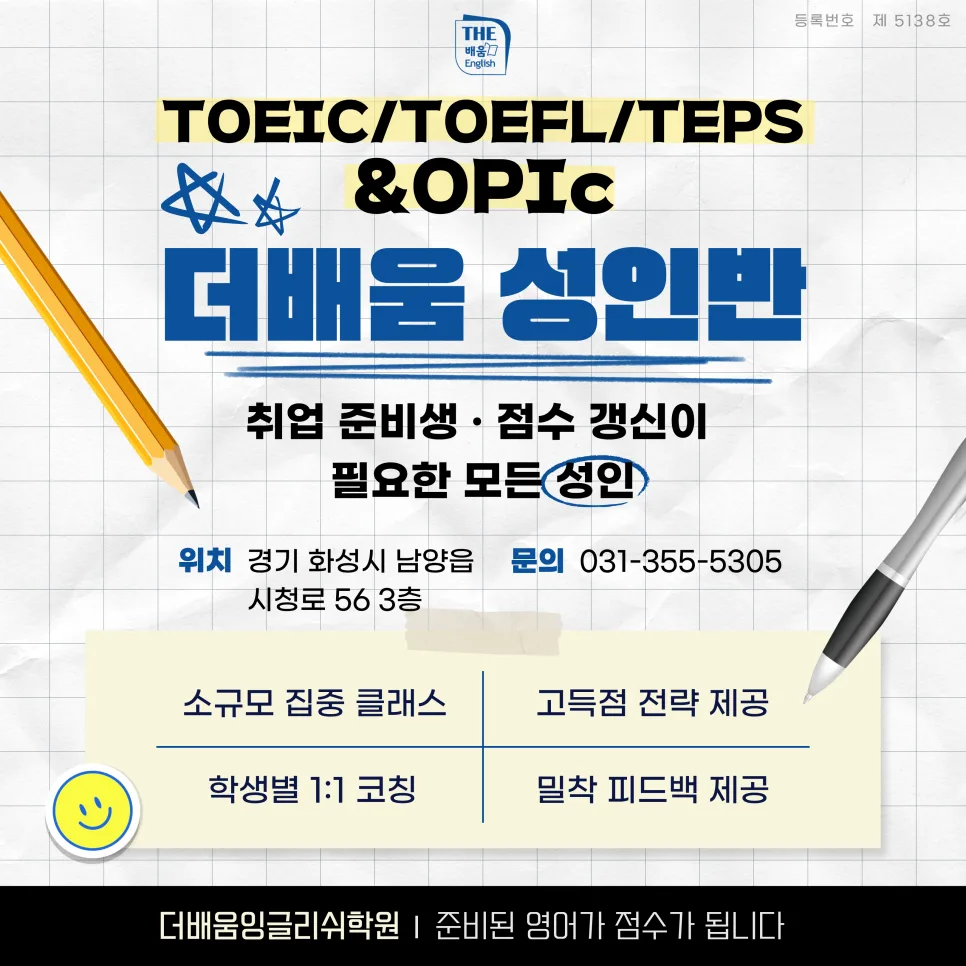
Mastering English proficiency tests like TOEIC, TOEFL, OPIc, IELTS, and TEPS is crucial for Americans aiming for career advancement, academic success, or global opportunities. This 2026 guide breaks down the latest trends and strategies for each exam, offering a clear path to achieving your target scores.
What Are the Key Differences Between English Tests?
In today's competitive landscape, demonstrating English proficiency is often a requirement for career advancement, higher education, and even immigration. Popular standardized tests like TOEIC, TOEFL, TEPS, OPIc, and IELTS cater to different needs and skill sets. TOEIC is widely recognized for assessing business English proficiency, making it a go-to for many US companies. TOEFL and IELTS are primarily for academic settings, evaluating a candidate's readiness for English-speaking universities. IELTS, with its British English focus, and TOEFL, rooted in American English, both assess reading, writing, listening, and speaking skills rigorously. OPIc, on the other hand, focuses on conversational fluency in real-life situations, often preferred for its practical application. TEPS is a strong contender within South Korea, recognized by many domestic institutions. Understanding these nuances is the first step toward selecting the right test and developing a targeted study plan. Many learners find that focusing on one primary test, rather than spreading their efforts too thin, leads to more efficient score improvement.
What's the Best Step-by-Step Strategy for Improving Your Score?
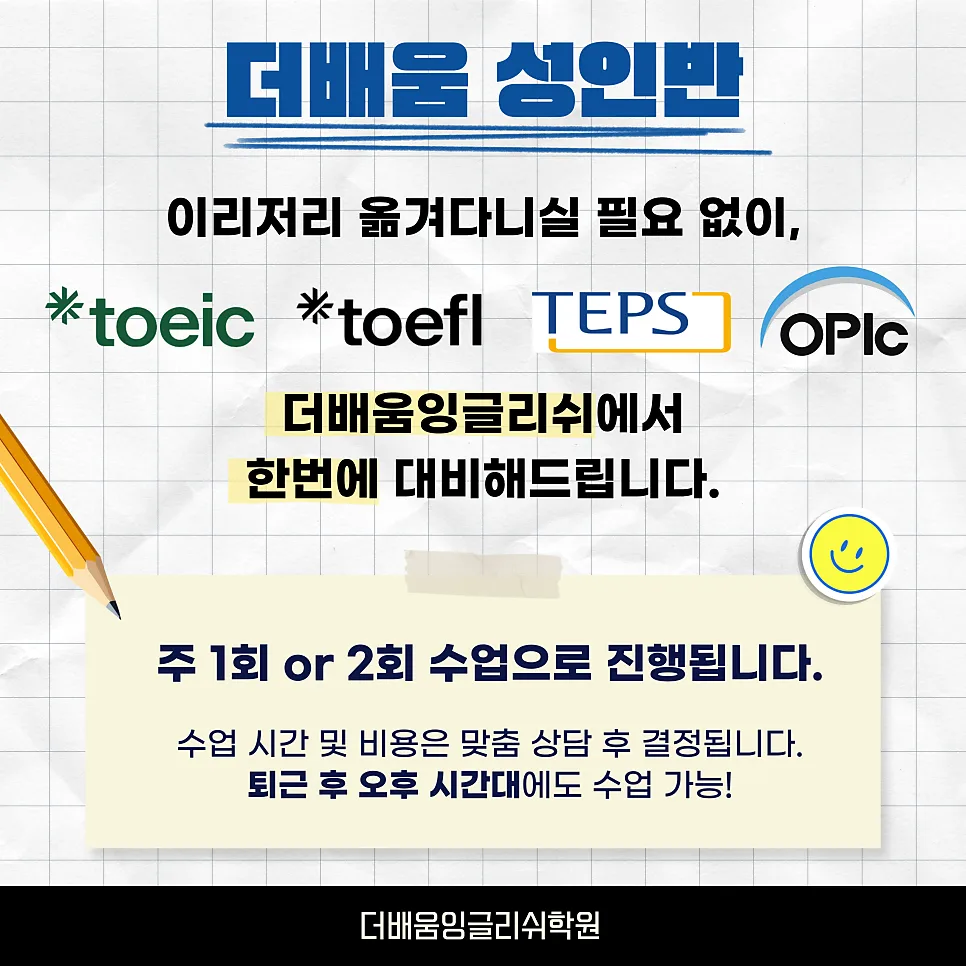
Achieving your target score on any English proficiency test requires a structured approach tailored to your current level and the specific demands of the exam. Begin by honestly assessing your current English skills, identifying your strengths and weaknesses. For foundational improvement, focus on building essential vocabulary and mastering core grammar rules. As you progress to an intermediate level, delve into understanding the specific question formats and test-taking strategies for your chosen exam. This might involve practicing timed sections to improve speed and accuracy. For advanced learners aiming for high scores, simulating real test conditions through full-length practice exams is crucial. Rigorous analysis of incorrect answers is paramount; creating an error log to understand why mistakes were made and how to avoid them in the future is a highly effective technique. For busy professionals, integrating study sessions into your routine, perhaps with 1-2 focused classes per week and consistent review during commutes or breaks, can make a significant difference. Personalized coaching can further refine your approach by addressing individual challenges.
What Are the Pros and Cons of Each English Test, and How Much Do They Cost?
Each major English proficiency test offers distinct advantages and disadvantages, alongside varying costs. TOEIC is generally the most affordable and widely accepted for business contexts in many Asian countries, though it may not fully capture conversational ability. TOEFL and IELTS are essential for international academic pursuits, with IELTS offering a choice between British and American English, and both demanding strong analytical and communicative skills. Their registration fees are typically higher, ranging from $170 to $250 USD. OPIc assesses practical speaking skills through simulated conversations, making it relevant for job interviews and everyday interactions, with fees around $90-$150 USD. TEPS, while popular domestically, might have less international recognition compared to TOEFL or IELTS. Test fees can fluctuate, but generally range from approximately $40 USD for TOEIC to over $200 USD for IELTS or TOEFL. It's wise to check the official test websites for the most current pricing and registration details.
What Are Common Mistakes to Avoid When Preparing for English Tests?
Many test-takers fall into common traps that hinder their progress. A frequent mistake is starting without a clear goal or understanding of the test format, leading to unfocused study. Neglecting the fundamentals, such as basic vocabulary and grammar, in favor of solely practicing test questions is another pitfall. Insufficient practice under timed, exam-like conditions can lead to poor time management on the actual test day. Furthermore, many students fail to conduct thorough post-test analysis, missing valuable opportunities to learn from their errors and prevent repetition. Finally, maintaining consistent motivation and study habits can be challenging; burnout is real, and setting realistic short-term goals alongside long-term objectives is key to sustained effort. Recognizing these common errors is the first step toward developing a more effective and successful preparation strategy.
English crawl path
Next English reads from this pilot cluster
Continue through the category hub, latest English stories, and related posts so this translated article is not an isolated URL.
Tags
💬Frequently Asked Questions
What should I check first in English Test Prep Guide 2026: TOEIC, IELTS & More?
Does this Language Learning article link back to the Korean source?
Where can I find similar English stories?
English discovery path
Explore more English K-culture stories
Keep browsing the indexed English pilot cluster so Google and readers can move between this story, the category hub, and fresh discovery pages.
Original Source
Read the Korean original





