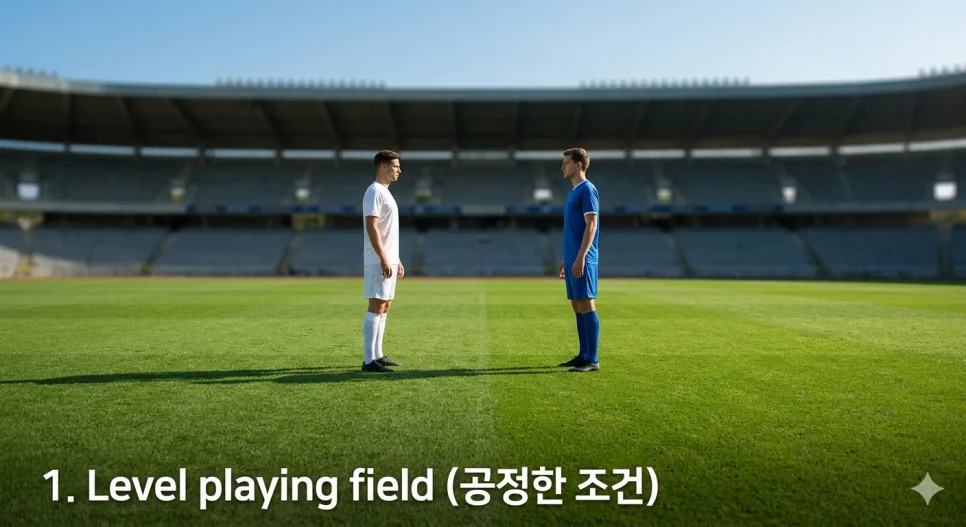
English idioms originating from sports and gaming add energy and excitement to everyday conversations, making them crucial for fluent communication. Key phrases like 'level playing field' signify fairness, 'kick off' marks a new beginning, and 'saved by the bell' describes escaping a crisis with timely help. Understanding these terms, such as 'touch and go' for uncertain situations and 'poker face' for concealing emotions, enhances your ability to express nuances effectively in English.
What Are 5 English Idioms From Sports and Gaming?
Sports and gaming have deeply influenced the English language, contributing a wealth of vibrant idioms that capture the drama and excitement of competition. These expressions go beyond literal meanings to effectively convey urgency, fairness, or uncertainty. For instance, 'level playing field' is frequently used in business negotiations and social interactions to emphasize equal opportunities, much like a soccer match where no team has a geographical advantage. This concept highlights the importance of all participants starting under equivalent conditions. Understanding these culturally rooted phrases not only aids comprehension but also significantly enriches your English fluency, making your communication more dynamic and relatable to native speakers.
What Do 'Kick Off' and 'Saved by the Bell' Mean?
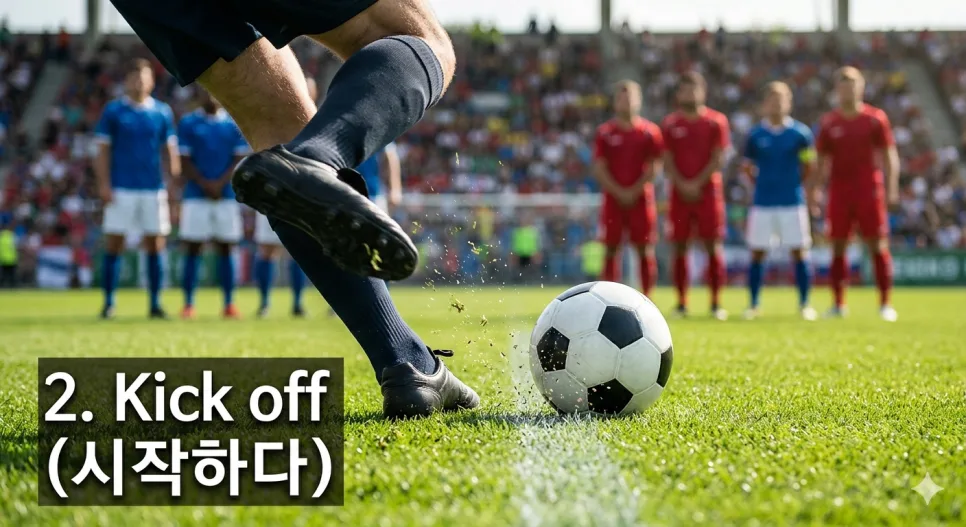
'Kick off,' originally referring to the act of starting a soccer game, is now widely used to signify the commencement of any new endeavor, such as meetings or project launches. The term 'kick-off meeting' is a common example. Similarly, 'saved by the bell,' which originates from boxing where a fighter might be saved from a knockout by the bell signaling the end of a round, perfectly describes escaping a perilous situation through an unexpected external factor or fortunate timing. These sports-derived terms offer vivid metaphors for life's challenges and beginnings, allowing for more colorful and precise communication in everyday English.
What Situations Do 'Touch and Go' and 'Poker Face' Describe?
'Touch and go' likely stems from nautical terms describing a boat lightly touching the bottom in shallow water before continuing, evolving to mean a situation that is uncertain and precarious. It evokes the thrilling, risky moments in races where victory or defeat hangs in the balance. In contrast, 'poker face' refers to the expressionless demeanor adopted by poker players to conceal their hand and intentions. This idiom is used to describe someone who remains impassive, revealing no emotion or intent, making it difficult for others to gauge their thoughts or feelings. Both expressions effectively capture specific types of tension and unpredictability.
Does 'The Ball Is In Your Court' Mean It's Your Decision?
Yes, precisely. 'The ball is in your court,' originating from sports like tennis or volleyball where players hit the ball back and forth, signifies that it is now the other person's turn to act or make a decision. This phrase is used to clearly indicate that the responsibility for the next step or a crucial choice lies with the other party. For example, after making a proposal, you might say this to convey that you are awaiting their response or decision. Using sports metaphors like this helps clarify roles and decision-making power in various contexts, from personal relationships to professional settings, but it's important to consider the specific context to ensure accurate application.
For more details, check the original source below.





