
Unlock the fascinating origins of common English idioms in 2026. Understanding the historical events and unique cultural practices behind these phrases can make learning English more engaging and help you grasp deeper meanings, especially for beginners looking to master the Korean language through English context.
What are English idioms rooted in old customs?
English idioms are more than just a sum of their words; they often carry profound meanings derived from specific historical events, cultural backgrounds, or daily habits. For instance, 'Bury the hatchet' originates from a North American Indigenous custom where tribes would bury weapons like tomahawks when making peace, symbolizing reconciliation and the end of conflict. Similarly, 'Sleep tight' comes from the practice of tightening the ropes of old beds for a more comfortable sleep. Learning the etymology of these phrases helps in remembering and using them accurately, offering a window into the lives and thoughts of people from centuries past.
How do you use English expressions that require reading between the lines?
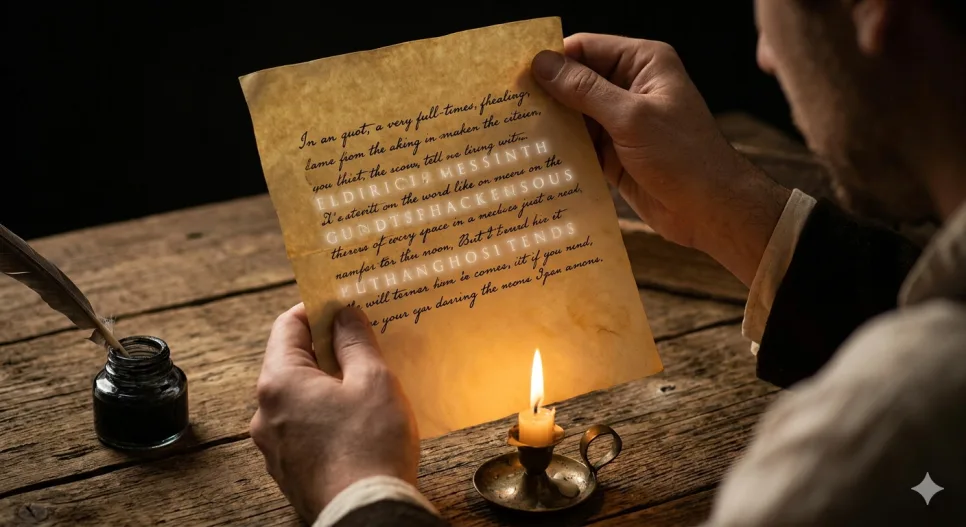
'Read between the lines' has roots in how secret messages were conveyed during times of heavy censorship, often written in invisible ink between the lines of ordinary text. This idiom is used when you need to understand the hidden, true meaning behind spoken or written words. Likewise, 'Turn a blind eye' stems from an anecdote about Admiral Nelson, who, during a battle, claimed not to see a signal for retreat and continued his attack. This phrase is used when someone knowingly ignores an obvious wrongdoing or problem. These expressions are invaluable for understanding context and conveying subtle nuances in communication.
What are English expressions for breaking awkward atmospheres?
The idiom 'Breaking the ice' emerged from the practical experience of ships needing to break through frozen rivers during winter voyages to navigate. It signifies overcoming initial awkwardness or silence between people, initiating natural conversation, much like an icebreaker ship clears the way. In contrast, 'Green-eyed monster' is a metaphor for jealousy, famously used by Shakespeare in his play 'Othello' to describe how envy can consume a person. This phrase vividly portrays the destructive nature of jealousy. Employing appropriate idioms in various situations can significantly deepen your communicative effectiveness.
What should you be cautious about when using English idioms?

It's crucial to understand the origin and context of English idioms before using them. For example, 'Bury the hatchet' strongly implies a desire for genuine reconciliation, so it should be used when that intent is sincere. 'Turn a blind eye' carries a negative connotation of condoning bad behavior, requiring careful consideration. While everyday greetings like 'Sleep tight' can foster positive relationships, overuse might diminish their sincerity. Misinterpreting an idiom or using it in an inappropriate context can lead to misunderstandings. Therefore, always verify the precise meaning and nuance, and don't hesitate to ask native speakers for advice if needed.
English crawl path
Next English reads from this pilot cluster
Continue through the category hub, latest English stories, and related posts so this translated article is not an isolated URL.
Tags
💬Frequently Asked Questions
What should I check first in English Idioms 2026: 6 Hidden Meanings from Old Customs?
Does this Language Learning article link back to the Korean source?
Where can I find similar English stories?
English discovery path
Explore more English K-culture stories
Keep browsing the indexed English pilot cluster so Google and readers can move between this story, the category hub, and fresh discovery pages.
Original Source
Read the Korean original





