Hesitant about how to apologize in English? Mastering situational nuances is key. Instead of just repeating 'Sorry,' using context-specific phrases helps you mend relationships and build trust without misunderstandings. Based on real-life experiences, here’s a breakdown of English apology phrases for various situations.
What English Apology Phrases to Use for Minor Mistakes?
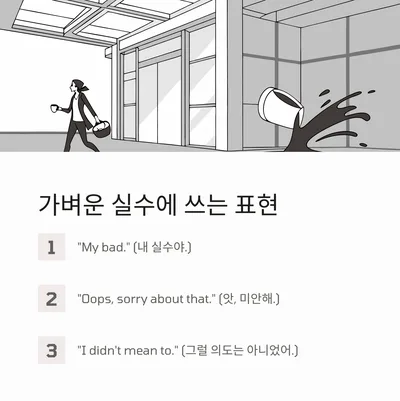
For everyday slip-ups, there's no need for overly formal apologies. Short, concise phrases work best. When you cause a small inconvenience, you can say, "My bad." or "Oops, sorry about that." If you want to clarify it was unintentional, add, "I didn’t mean to." Many learners find themselves flustered by not knowing the right words for minor errors, but these phrases help maintain a natural conversation flow.
How to Apologize in English When You're Late?
Simply saying "I’m sorry I’m late" might not be enough when you're late for appointments or meetings. It's best to briefly explain the reason to gain understanding. For instance, stating "Sorry I’m late. The traffic was terrible" provides a specific reason, or you can express your regret for making them wait by saying, "Thanks for waiting, I didn’t mean to keep you." One of our students found these phrases incredibly useful during overseas business trips. Explaining the specific reason shows respect and helps smooth over the situation.
How to Offer a Sincere English Apology When You've Upset Someone?
When you've hurt someone's feelings with your words or actions, a heartfelt apology is essential. Focus on their feelings with phrases like, "I apologize if I upset you," or emphasize your lack of intent by saying, "That wasn’t my intention. I’m really sorry." You can also directly ask for forgiveness by saying, "Please forgive me," which can aid in relationship repair. These polite expressions are particularly crucial for building trust in business meetings or formal settings. Careful word choice is vital here.
What Formal English Phrases Should You Use for Email or Text Apologies?
When direct conversation isn't possible or you need to apologize in writing, using more formal language is appropriate. To express regret for causing inconvenience, say, "I sincerely apologize for the inconvenience." For mistakes made, you can politely offer your apologies with, "Please accept my apologies for the mistake." If a misunderstanding occurred, convey your regret using, "I regret the misunderstanding." In our experience refining email examples with students preparing for overseas jobs, these formal phrases are highly effective in boosting credibility in official communications.
How to Offer an English Apology That Includes a Solution After a Mistake?
Going beyond a simple apology by offering a solution shows greater commitment and builds more trust. For example, you can promise to prevent recurrence by saying, "I’m sorry for the delay. I’ll make sure it doesn’t happen again." It’s important to show initiative in resolving the issue, such as by saying, "Let me fix this for you," or "I’ll take responsibility." In one instance, a student turned a mistake during their overseas internship into a positive by handling it this way, earning trust from their supervisor. Demonstrating a willingness to solve the problem when apologizing in English is a key factor in positively developing relationships. The best phrase can vary based on your specific situation, so consulting with an expert is also a good option.
For more detailed situational apology phrases, check the original source below.





