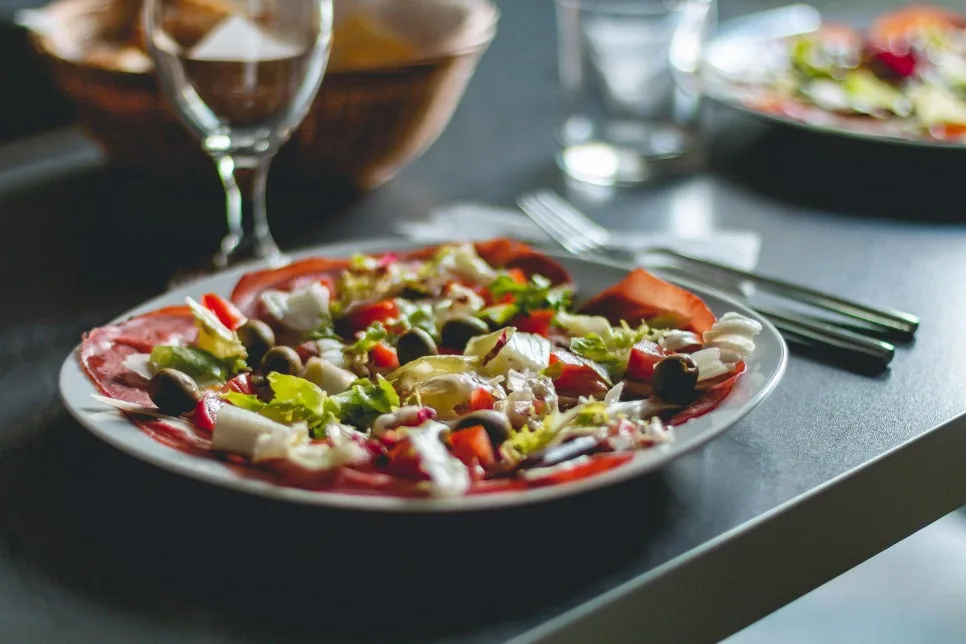
In 2026, 'Bon Appétit' is the quintessential French greeting before a meal, translating to 'Enjoy your meal.' More than just a simple phrase, it embodies a cultural expression of shared enjoyment, consideration, and gratitude, fostering a warm atmosphere at the dining table.
What Does 'Bon Appétit' Truly Mean and Its Cultural Significance?
While 'Bon appétit' literally translates to 'good appetite' in French, its practical usage conveys a much warmer sentiment: 'Enjoy your meal' or 'Have a pleasant dining experience.' This phrase is a heartfelt wish for everyone at the table to savor their food and the company. In French culture, meals are not merely about sustenance; they are significant social occasions for conversation, connection, and relaxation. 'Bon Appétit' acts as a magical phrase to officially commence this shared experience, setting a comfortable and inviting tone for everyone to begin their meal. You'll frequently hear this expression in French homes and restaurants, highlighting its integral role in French dining etiquette.
When Did the Phrase 'Bon Appétit' Originate?
The widespread use of 'Bon appétit' gained traction in the late 18th century, particularly following the French Revolution. This era saw a democratization of haute cuisine, making sophisticated dining more accessible to a broader population. As culinary traditions evolved and spread beyond aristocratic circles, 'Bon appétit' emerged as a common courtesy, reflecting a shared desire for everyone, regardless of social standing, to enjoy their food. It became a way to acknowledge the meal and the shared experience, solidifying its place as a customary greeting in French dining culture.
What Are Similar Phrases in Other Languages?
Many cultures have their own unique ways of wishing diners a good meal. In English, the most common equivalent is 'Enjoy your meal.' Chinese speakers might say '请慢用 (qǐng màn yòng),' which translates to 'please eat slowly,' implying a leisurely and enjoyable experience. In Japan, the traditional phrase is 'いただきます (itadakimasu),' often said before eating, signifying gratitude for the food and those who prepared it. While these phrases share the core sentiment of wishing diners well, each carries distinct cultural nuances and historical contexts that shape their usage.
Are There Any Etiquette Considerations When Using 'Bon Appétit'?
While 'Bon appétit' is a widely used and appreciated phrase, there are subtle etiquette points to consider. In highly formal settings or during official banquets, it might be perceived as slightly too casual. It's generally more appropriate to say 'Bon appétit' at the beginning of a meal rather than towards the end. The focus should be on creating a positive and relaxed dining atmosphere. Like many cultural expressions, the perception and appropriate usage of 'Bon appétit' can vary based on individual experiences and specific cultural backgrounds. Therefore, being mindful of the context and your dining companions' cultural norms is always advisable.
For more details, check the original source below.





