In the rapidly evolving AI landscape of 2026, understanding the difference between NPUs (Neural Processing Units) and GPUs (Graphics Processing Units) is crucial. While both are specialized processors designed for parallel computation, their core functions and optimizations set them apart. GPUs currently form the backbone of AI development, enabling complex training processes, while NPUs are poised to bring AI into everyday devices through efficient inference. This guide breaks down the key distinctions and roles of these essential AI chips.
What's the Difference Between NPU and GPU?
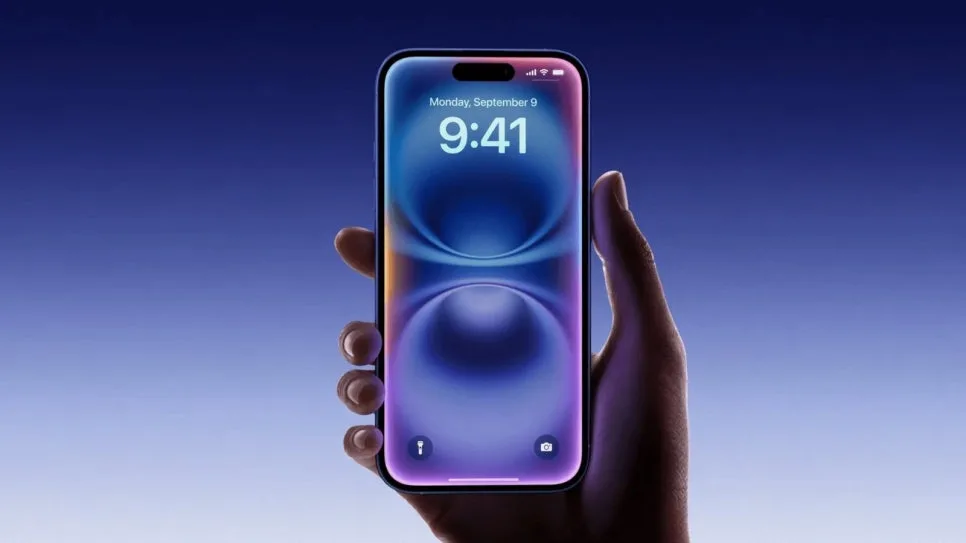
GPU, or Graphics Processing Unit, was first coined by NVIDIA in 1999 and originally designed to accelerate computer graphics. With thousands of cores, GPUs excel at rapidly processing visual data like images, videos, and 3D models. Their parallel processing capabilities made them indispensable for AI training in the late 2010s. In contrast, NPU, or Neural Processing Unit, is a specialized processor built to efficiently execute AI algorithms, particularly those mimicking the human brain's neural networks. Think of real-time facial recognition or photo enhancement on your smartphone – that's often an NPU at work. If a GPU is a versatile special forces unit capable of many tasks, an NPU is a precision sniper, optimized for the specific mission of AI inference.
What Drove the Development of NPUs and GPUs?
The rise of the GPU is intrinsically linked to the popularization of 3D gaming in the 1990s. As complex 3D graphics demanded more processing power than traditional CPUs could provide, GPUs evolved as dedicated processors with programmable parallel processing capabilities. This parallel processing power later proved highly effective for AI training, laying the groundwork for the AI revolution. The NPU emerged from the explosive growth in AI, particularly deep learning. While GPUs were effective for training, they had limitations in terms of power efficiency and speed for AI inference tasks. The need for a dedicated chip optimized for the core operations of AI, like matrix multiplication and convolution, led to the development of the NPU. These chips are designed for maximum energy efficiency and low latency in AI inference.
What Are the Similarities and Key Differences Between NPUs and GPUs?
Both NPUs and GPUs are specialized accelerators designed for parallel computation, meaning they can process large amounts of data simultaneously, unlike traditional CPUs. They are both critical components in modern computing, powering everything from high-performance computing and data centers to cutting-edge technological advancements. However, their fundamental differences lie in their design purpose and architecture. GPUs, with their thousands of cores, offer high floating-point operation performance and flexibility, optimized for graphics pipelines and general-purpose parallel tasks. NPUs, on the other hand, are built with hardware acceleration tailored to the specific layers and operations found in AI models, delivering extreme energy efficiency and low latency. While GPUs often utilize flexible frameworks like CUDA or OpenCL, NPUs are more tightly integrated with AI frameworks such as TensorFlow and PyTorch. Power consumption is another key differentiator: GPUs can be power-hungry, whereas NPUs are designed for much lower power draw, especially for integration into mobile devices.
What Should You Consider When Using NPUs and GPUs?
GPUs are powerful for both graphics and AI training but can consume significant power and generate substantial heat, especially high-end models. While optimized for AI training, they may not be as efficient as NPUs for specific AI inference tasks. The programming environment for NPUs can also be more restrictive than for GPUs, potentially leading to greater dependence on specific AI frameworks. Therefore, selecting the right chip depends heavily on your intended use case. Consider your computing environment, budget, and the specific AI technologies you plan to leverage. Consulting with tech experts can help you identify the optimal solution for your needs. For instance, a gamer might prioritize a high-end GPU, while a smartphone manufacturer would focus on integrating an efficient NPU for on-device AI features.
For more details, check the original source below.