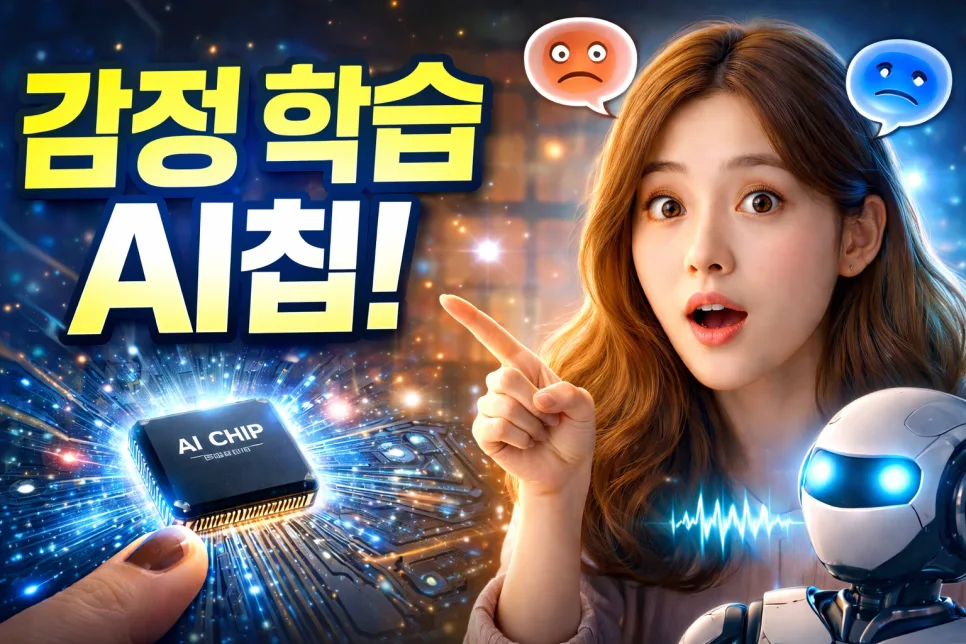
Emotion-learning AI chips, like the upcoming 'Soulmate' chip, are on-device technologies designed to understand and adapt to users by learning their emotions, speech patterns, and preferences through conversation. These chips process data in real-time on the device itself, without relying on the cloud, offering enhanced privacy, faster responses, and lower power consumption. Expect to see this technology integrated into smartphones and wearables around 2026.
Why Are Emotion-Learning AI Chips Gaining Attention? (2026 Outlook)
Recent advancements in AI chip technology, particularly in understanding user emotions, are creating significant buzz. Unlike traditional AI that provides standardized answers, these new chips leverage on-device implementations of RAG (Retrieval-Augmented Generation) and LoRA (Low-Rank Adaptation) to deeply learn user nuances. This allows the AI to generate personalized responses that are more empathetic and context-aware. For instance, if a user expresses loneliness, the AI can access past conversations to tailor a more comforting reply. This capability moves AI interaction closer to relational responses, making AI feel more like a personal companion. This technology is particularly beneficial for individuals who spend a lot of time alone, frequently use AI for interaction, or highly value their personal data privacy.
Core Technologies Behind On-Device AI Chips: RAG & LoRA
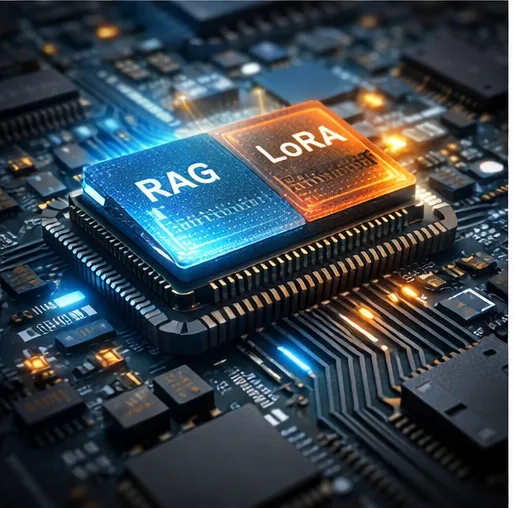
The foundation of emotion-learning AI chips lies in the synergy between on-device processing and advanced techniques like RAG and LoRA. RAG enhances AI responses by retrieving relevant information from external knowledge bases, while LoRA enables efficient fine-tuning of large language models (LLMs) with minimal data. These chips, often manufactured using processes like Samsung's 28nm, integrate these capabilities within a compact semiconductor. When a user speaks, the chip processes the input, retrieves relevant past interactions (RAG), and adjusts its model in real-time (LoRA) to generate a personalized response in approximately 0.2 seconds. This on-device architecture significantly reduces the risk of personal data breaches, improves response speed, and lowers power consumption compared to cloud-based AI solutions, marking a crucial step forward in overcoming the limitations of current AI services.
Emotional AI Chips: Practical Benefits and Potential Concerns
The benefits of emotion-learning AI chips are substantial, primarily offering a hyper-personalized user experience. By continuously learning a user's emotions and preferences, the AI can foster interactions that feel genuinely understanding and familiar. The on-device nature ensures rapid response times and robust privacy protection, as data remains on the device. However, potential drawbacks warrant consideration. Prolonged interaction with AI could lead to increased emotional dependency or even replace human relationships. Furthermore, managing expectations regarding AI responses and the continuous learning process presents a challenge for users. Ultimately, the value of this technology hinges on how it's used, making user awareness and responsible engagement critical.
AI Chips and Future Society: Navigating Change and Making Choices
Emotion-learning AI chips represent more than just technological advancement; they hold the potential to reshape society and individual lives. This technology is poised for widespread integration into various personal devices, including smartphones and wearables, within the next few years. As this integration accelerates, balancing the advantages of convenience and privacy with concerns about emotional dependency and the potential impact on human relationships will be paramount. The ultimate choice and application of these AI capabilities rest with the user. As we enter an era where AI can understand us on an emotional level, our approach to engaging with this technology will be crucial. It's essential to stay informed about these developments and consider how to best utilize them in our personal contexts.
For more detailed technical information, please refer to the original source.