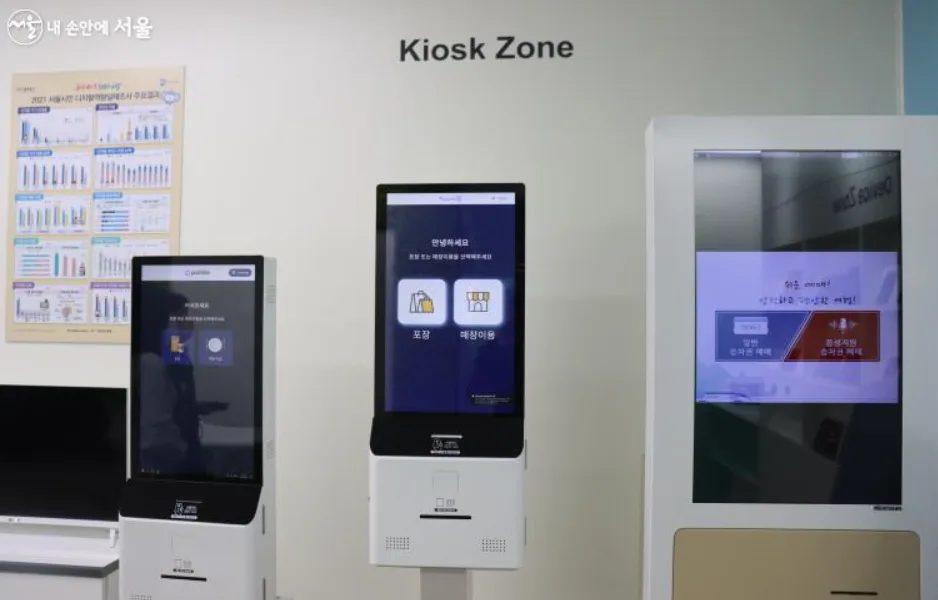
Kiosks are touch-screen based self-service terminals that provide information, take orders, and process payments 24/7, becoming a key infrastructure in our digital society. As of 2026, kiosks enhance efficiency across daily life, but ensuring inclusive design and alternatives for the digitally underserved remains a crucial societal challenge.
What Exactly Is a Kiosk and What Does It Mean?
A kiosk is a small, standalone structure or device placed in public areas to offer information or sell products and services. In modern usage, it primarily refers to a self-service terminal equipped with a touch screen, integrating three core functions: information display, automated transactions, and service delivery. Kiosks are more than just machines; they are essential infrastructure in the era of digital transformation. For instance, they streamline ordering at fast-food restaurants, ticket purchasing at movie theaters, and basic banking tasks, significantly enhancing our daily convenience.
What Is the Origin of the Word 'Kiosk' and How Has It Evolved Historically?
The word 'kiosk' originates from the Persian word 'kūshk,' meaning a small, often arched, pavilion or summerhouse. This term passed through Ottoman Turkish before entering French as 'kiosque' and subsequently English as 'kiosk' in the 19th century. Historically, kiosks began as garden structures in Persia and the Ottoman Empire, evolving in 19th-century Europe into small newsstands or shops. By the late 20th century, they developed into specialized self-service booths, such as those for public telephones or photography. In the 21st century, combined with digital touch-screen technology, the kiosk has been completely reinvented as a modern self-service terminal offering diverse functions like information, transactions, and administrative services.
What Are the Key Reasons for the Rapid Proliferation of Kiosks?
Several complex factors have contributed to the widespread adoption of kiosks across society. Firstly, rising labor costs have increased the demand for automation to reduce expenses. Secondly, advancements in digital technologies, such as touch screens, secure payment systems, and high-speed networks, have made their implementation feasible. Thirdly, consumer expectations for 24/7 service availability have highlighted the value of accessibility. The COVID-19 pandemic, in particular, acted as a significant catalyst, accelerating kiosk adoption by promoting contactless interactions. Furthermore, the ability to offer diverse services within a limited physical space makes kiosks highly space-efficient, adding to their competitive advantage.
What Are the Main Features and Types of Services Offered by Kiosks?
Modern kiosks are typically standalone units featuring an intuitive touch-screen interface as their core component. They often integrate payment terminals like credit card readers and cash acceptors, along with receipt printers. Functionally, they can be broadly categorized into four types. First, 'Information Kiosks' provide guidance, such as directions in hospitals or shopping malls. Second, 'Transactional Kiosks' are directly linked to purchases, like ordering at fast-food restaurants or booking movie tickets. Third, 'Complex Service Kiosks' handle more intricate tasks, such as self-service banking or airport check-in. Fourth, 'Experiential Kiosks' are designed to engage users, similar to digital signage that encourages interaction.
What Are the Advantages and Disadvantages of Implementing Kiosks?
The implementation of kiosks offers distinct advantages in operational efficiency. They enable 24/7 continuous operation, enhancing customer accessibility and reducing wait times, while also lowering labor costs in the long run, improving cost-effectiveness. Unlike human staff, kiosks are unaffected by personal conditions, maintaining consistent service quality. They also maximize space utilization by enabling store functions in smaller areas. All user interactions are logged as data, providing valuable insights for analyzing consumer patterns and service improvements. However, significant disadvantages exist, including the risk of exacerbating the 'digital divide' by excluding demographics less familiar with digital devices, such as the elderly or individuals with disabilities. System malfunctions or network failures can lead to service disruptions, and there's an inherent risk of personal data breaches during transactions. Therefore, when implementing kiosks, it is essential to develop strategies that mitigate these drawbacks.
For more details, check the original source below.