Worried about discolored kitchen sinks in your US apartment? This guide details how to achieve a like-new look with a matte film refacing for a fraction of the cost of a full replacement. We'll cover essential pre-installation checks and post-installation care to ensure a stunning, long-lasting kitchen upgrade.
Can Matte Film Refacing Fix Old, Discolored Sinks?
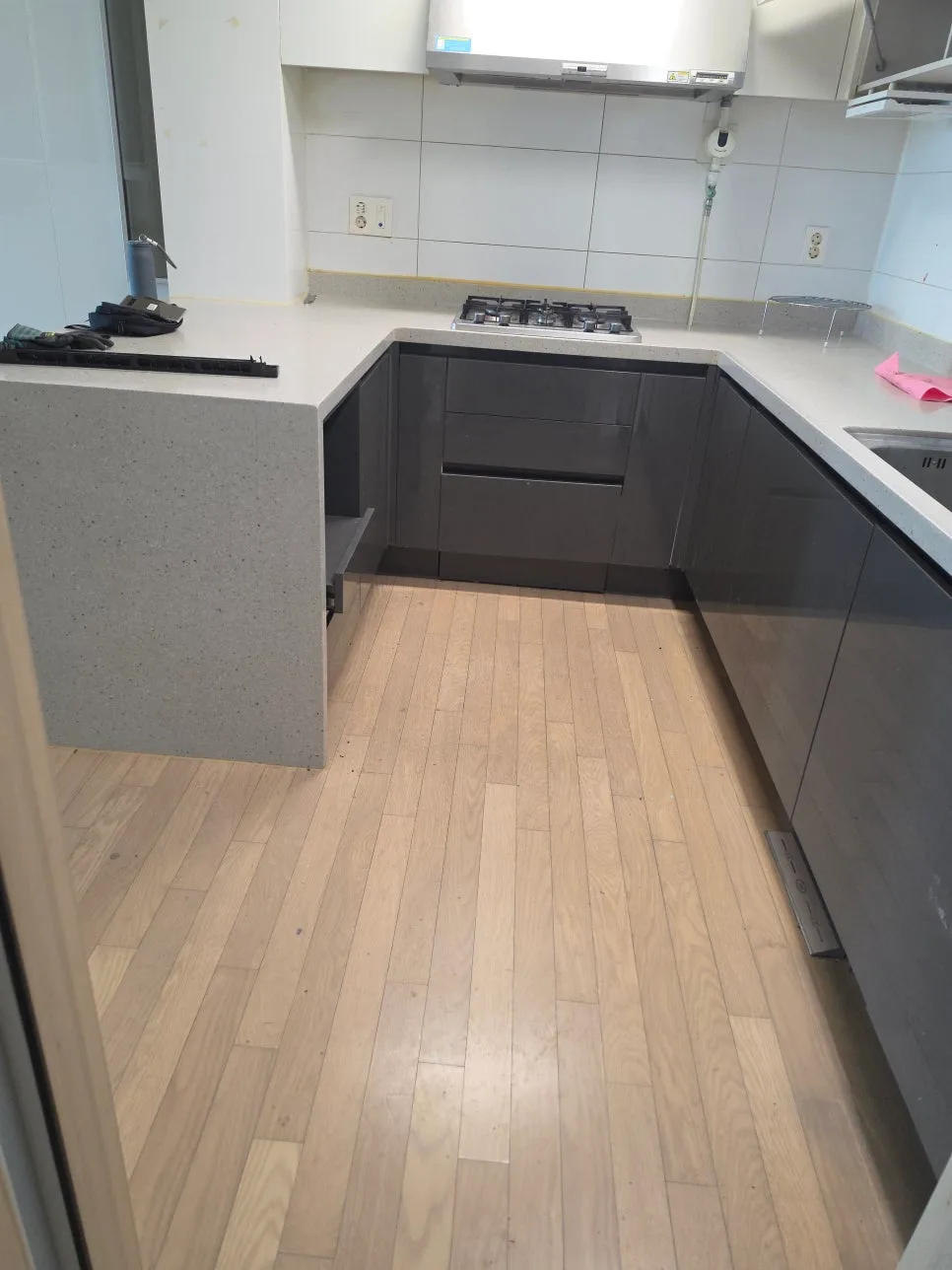
Over time, exposure to sunlight, moisture, and grease can cause sink surfaces to yellow or lose their sheen, making your entire kitchen look dated. This discoloration is especially noticeable on lighter-colored sinks. One of the most budget-friendly solutions to combat this is matte film refacing. Matte finishes offer a natural, sophisticated texture that's increasingly popular in modern US apartment kitchen designs. Popular choices like matte white, warm gray, charcoal, or wood-grain films are excellent because they also hide minor scratches better than glossy finishes, creating a calm and inviting atmosphere. Seeing before-and-after photos of refaced sinks truly highlights how dramatically a kitchen's appearance can be transformed.
What to Check Before Refacing Your Sink with Film
Before embarking on your matte film refacing project, it's crucial to thoroughly assess your sink's current condition. If the existing surface is peeling significantly or the underlying MDF material has absorbed moisture and swelled, a simple film application might not yield satisfactory results. In such cases, it's best to repair these damaged areas first before applying the film to ensure a smooth, professional finish. Also, check if the cabinet hinges are loose or if the doors are sagging; addressing these issues beforehand is important. Trying to readjust door alignment after applying the film risks damaging the film's edges. A detailed pre-installation inspection is key to a flawless refacing job.
Preparing for a Successful Sink Film Installation
Proper cleaning is paramount for a successful sink film refacing. Any residual grease or dust on the sink surface will compromise the film's adhesion, potentially leading to peeling over time. Therefore, it's essential to meticulously clean the surface using a kitchen degreaser or an alcohol-based cleaner and ensure it's completely dry. Pay extra attention to areas around the stovetop, handles, and under the sink where grime tends to accumulate. When cutting the film, it's advisable to leave an extra 1-2 inches (2-3 cm) on each side beyond the dimensions of the cabinet door or drawer front. This overlap makes finishing the edges much easier. During application, peel back the protective backing gradually while using a squeegee to slowly press the film down, minimizing air bubbles and ensuring a smooth, tight fit.
Matte Film Sink Refacing: Benefits and Considerations
The primary advantage of matte film sink refacing is its affordability. You can dramatically update your kitchen's aesthetic for a significantly lower cost compared to a full sink replacement. The installation process is also quick, often completed within a single day, minimizing disruption, dust, and noise in your living space. The wide variety of design options is another major draw. Matte white finishes create a clean, spacious feel, while matte gray or charcoal films lend a sophisticated, modern vibe. Wood-grain films add warmth and a natural element to the kitchen. However, it's important to be mindful of potential drawbacks. Matte films can be more susceptible to staining from certain foods or chemicals if not cleaned promptly. Extreme heat from hot pots or pans placed directly on the film can cause damage, and sharp objects can easily scratch the surface. Proper care and maintenance are essential to preserve the new look.
Caring for Your Refaced Matte Film Sink
To ensure your newly refaced matte film sink maintains its appearance, avoid placing hot pots or pans directly onto the surface and refrain from using sharp utensils or abrasive scrubbers. For cleaning, opt for a soft cloth with a mild dish soap or neutral detergent. Regular ventilation is also recommended to manage moisture, especially in humid environments. If you notice any lifting at the edges, a quick application of heat from a hairdryer can often help re-adhere the film. By following these simple care tips, you can significantly extend the lifespan and beauty of your refaced kitchen cabinets, keeping them looking fresh and stylish for years to come.
For more details, check the original source below.