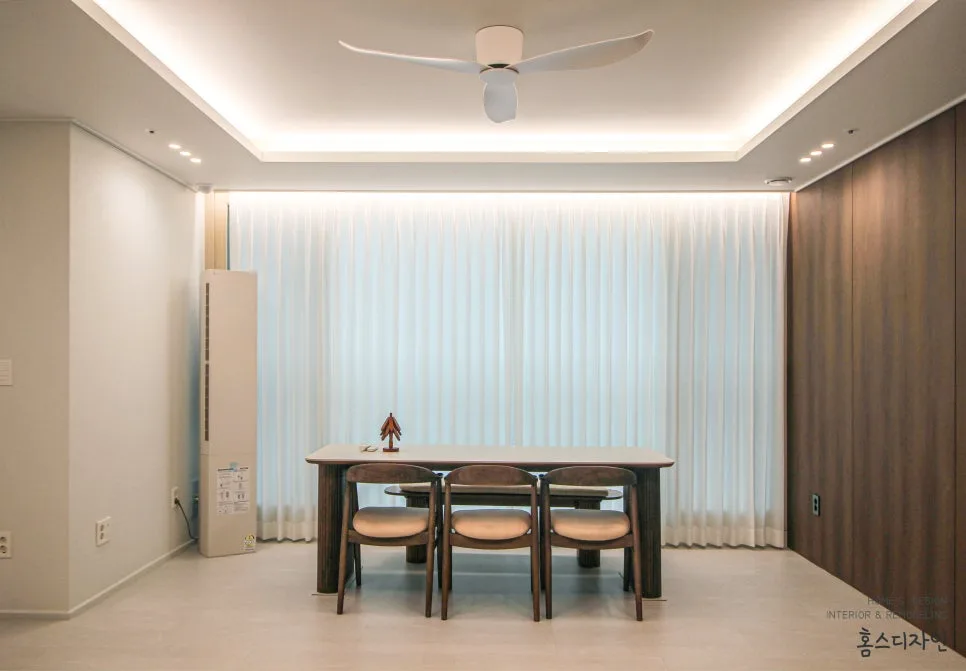
The Korean apartment aesthetic for 2026 blends warm wood tones with creamy textures to create inviting, high-end living spaces. Key design elements include subtle walnut accents, minimalist entryway doors, and premium flooring that mimics the look of tile. This approach to K-interior design offers a sophisticated yet cozy atmosphere, perfect for those seeking a tranquil home environment inspired by Korean minimalism.
What defines the Korean minimalist apartment style?
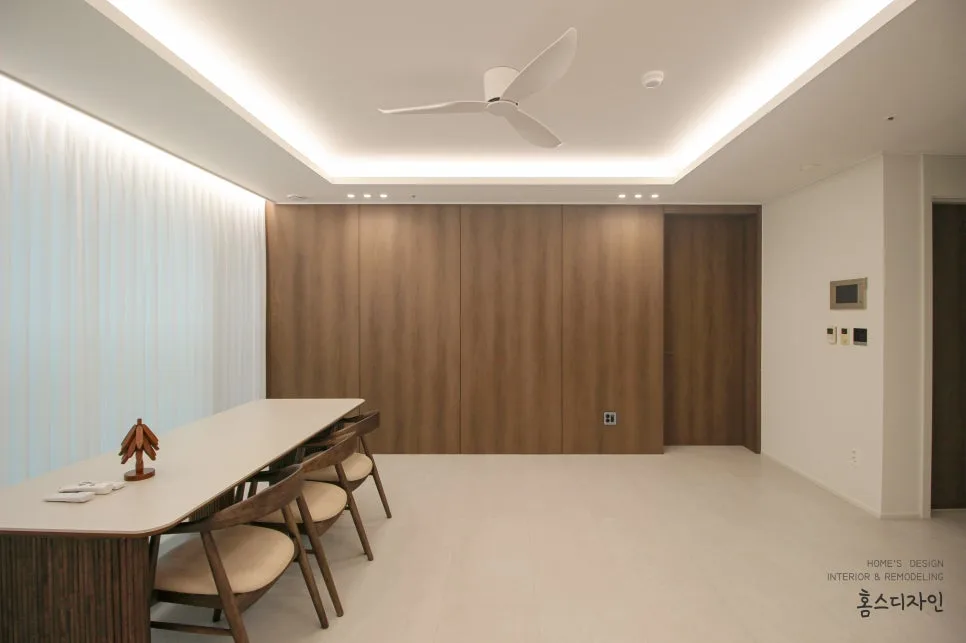
Korean interior design, often referred to as K-interior, emphasizes clean lines, natural materials, and a harmonious balance of colors and textures. For a 29-pyeong (approximately 1000 sq ft) apartment, this translates to a warm and luxurious feel achieved through a sophisticated palette of wood and cream tones. Walnut accents are frequently used to add depth and a touch of premium elegance. Entryway designs often feature sleek, minimalist doors, sometimes incorporating frosted or textured glass for privacy without sacrificing light. Premium flooring, such as high-quality vinyl that mimics the look of tile or natural stone, is a popular choice for its durability, comfort underfoot, and ease of maintenance. These elements combine to create a serene and modern living space that feels both spacious and deeply personal, reflecting a growing trend in US homes seeking a Muji-inspired aesthetic.
How can entryway design enhance a Korean apartment aesthetic?
The entryway is the first impression of any home, and in Korean interior design, it's treated with special attention to create a welcoming yet functional transition space. A common feature is a minimalist door, often crafted with frosted or textured glass (like 'moru' glass) to ensure privacy while allowing natural light to filter through, preventing the space from feeling enclosed. This approach maintains an open feel, especially in smaller apartments. For added functionality and a cohesive look, pantry doors or storage units in the entryway can be updated with a simple film application to match the surrounding color scheme, creating a seamless visual flow. Archway designs leading into other areas, like the dining space, can add an unexpected architectural detail, elevating the overall aesthetic. These thoughtful touches, often guided by experienced interior designers, transform a utilitarian space into a stylish prelude to the rest of the home, aligning with the principles of Korean minimalism.
What are the key elements of a modern Korean kitchen and bathroom?
Modern Korean kitchens prioritize both functionality and a sleek aesthetic, often incorporating a mix of open shelving and closed cabinetry. For example, a kitchen might feature open shelves in a concrete-white finish paired with base cabinets in a soft walnut or a sophisticated 'Paladina' tone, creating visual interest and easy access to frequently used items. The countertop material, such as a subtle 'Gravilla Mist' quartz, complements the cabinet colors, offering a durable and elegant surface. Bathrooms in a K-interior style typically feature large-format tiles (e.g., 300x600mm for walls, 300x300mm for floors) in neutral, calming colors like muted grays or beiges. Matte-finish fixtures and accessories in black or brushed nickel add a touch of modern luxury. Premium vinyl flooring, like 'X-Comfort' in a 'Salty White' tile-like finish, is increasingly popular for bathrooms and kitchens, offering a warmer, more comfortable feel than traditional tile while maintaining a sophisticated appearance and easy maintenance, similar to options found at IKEA or West Elm.
What are common considerations and potential pitfalls in Korean-style apartment renovations?
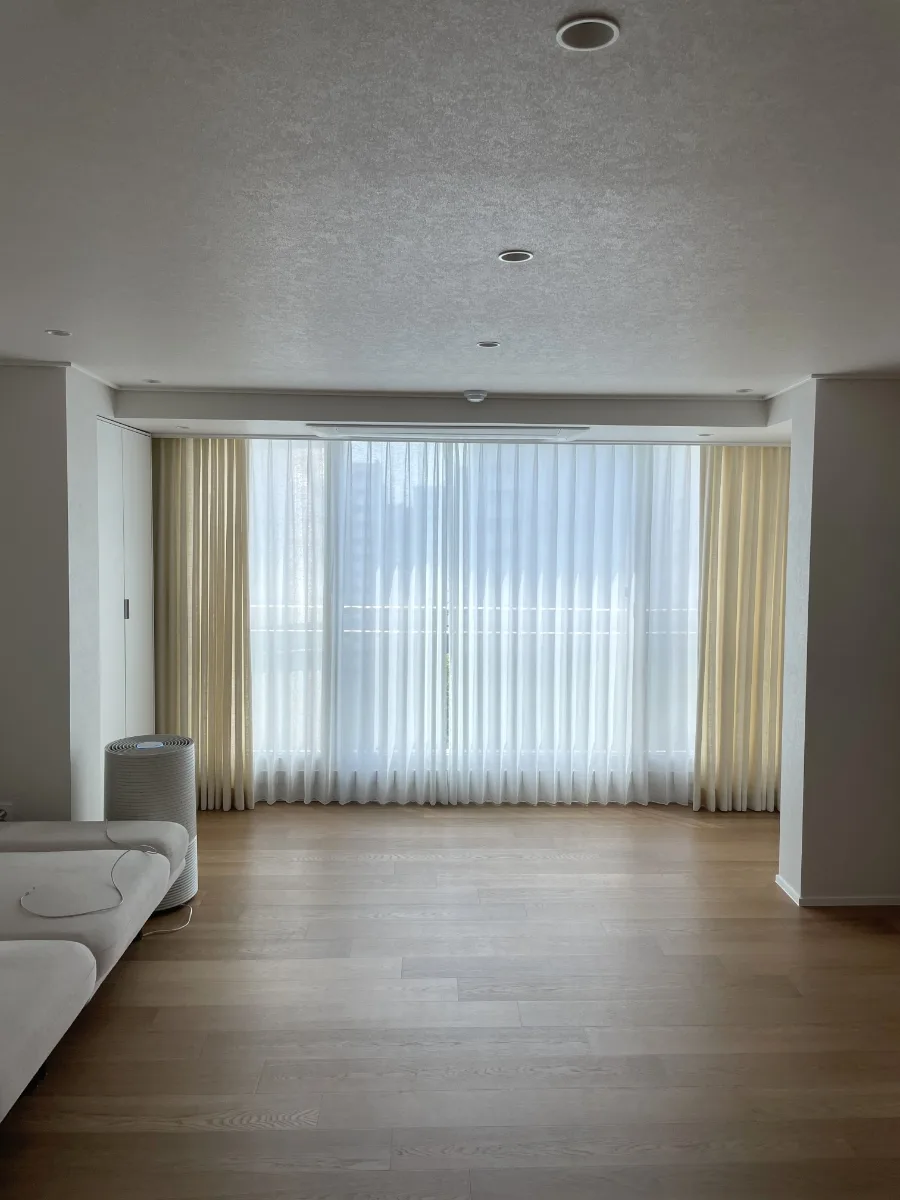
When undertaking a renovation with a Korean interior design focus, especially in older apartments, several factors require careful consideration. For instance, integrating modern amenities like system air conditioners can be challenging. Instead of traditional recessed lighting boxes ('deungbox'), utilizing the air conditioner's housing for indirect lighting can create a cleaner ceiling line and make the space feel larger. When applying accent films to walls or doors, paying attention to the seam lines (e.g., maintaining a 5mm width) is crucial for a polished, professional finish. For entryway doors, choosing a minimalist design with textured glass offers privacy and style without overwhelming the space. When selecting flooring, consider premium vinyl options that mimic the look of tile or wood; they offer excellent comfort, warmth, and durability compared to traditional materials, and are often more budget-friendly than hardwood or genuine tile. Consulting with experienced designers who understand these nuances is key to achieving a successful and aesthetically pleasing result that aligns with Korean minimalism and current trends.
English crawl path
Next English reads from this pilot cluster
Continue through the category hub, latest English stories, and related posts so this translated article is not an isolated URL.
Tags
💬Frequently Asked Questions
What should I check first in Korean Minimalist Apartment Style Guide 2026?
Does this Home & Interior article link back to the Korean source?
Where can I find similar English stories?
English discovery path
Explore more English K-culture stories
Keep browsing the indexed English pilot cluster so Google and readers can move between this story, the category hub, and fresh discovery pages.
Original Source
Read the Korean original