Transforming your living space with a Korean apartment aesthetic means embracing smart, minimalist storage solutions. In 2026, the trend leans towards integrated systems like the modular 'system hanger' and custom shelving, maximizing utility in every square foot. These solutions are key to achieving that coveted clean, organized, and serene K-interior look, making even smaller apartments feel spacious and chic.
What is the Korean Apartment Style for 2026?
The Korean apartment style in 2026 is all about achieving a sense of calm and order through intentional design, with a strong emphasis on minimalism and functionality. Think clean lines, natural materials, and clutter-free surfaces. This aesthetic, often seen in popular K-dramas and lifestyle blogs, prioritizes smart storage solutions that blend seamlessly into the home. For example, custom-built 'system hangers' and modular shelving units are becoming increasingly popular. These aren't just for closets; they're integrated into pantries, laundry rooms, and even living areas to discreetly store everything from groceries and cleaning supplies to electronics and clothing. Brands like MUJI offer a similar philosophy, and in the US, you can find comparable minimalist furniture at IKEA, CB2, West Elm, and Amazon. The goal is to create a harmonious living environment where every item has its place, contributing to an overall sense of peace and well-being.
How to Maximize Storage with Korean Minimalism
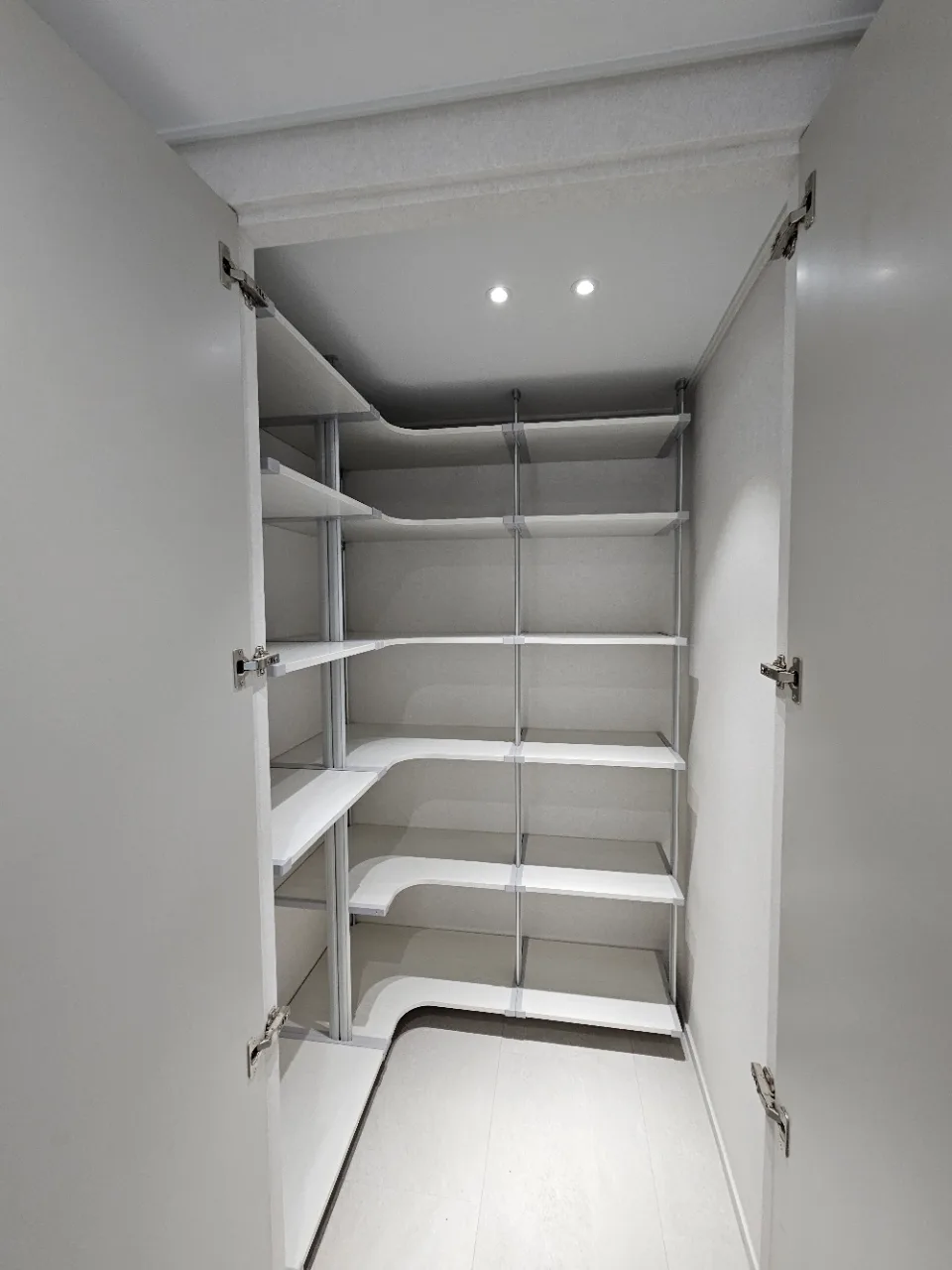
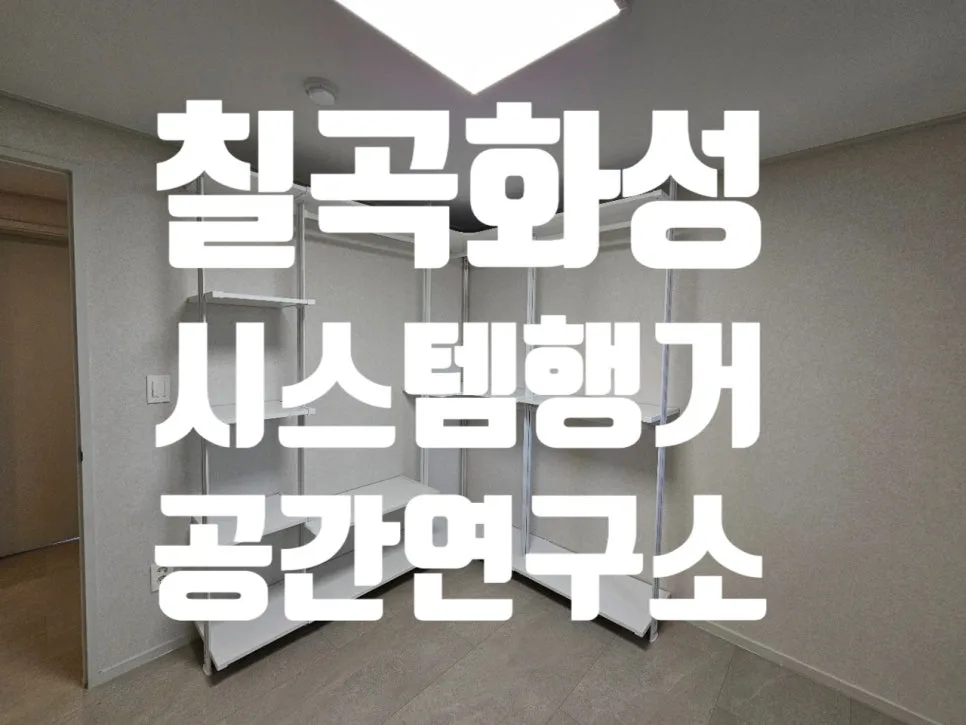
Achieving a minimalist Korean home decor style hinges on smart storage. For areas like pantries, custom-fit modular shelving is a game-changer. Instead of just stacking items, these systems allow for categorized storage of everything from dry goods and kitchen appliances to cleaning supplies and linens. This approach ensures items are easily visible and accessible, preventing clutter from accumulating. In bedrooms or dedicated dressing areas, the 'system hanger' is essential. This often involves a combination of hanging rods and shelves, configurable to your specific wardrobe needs. A popular setup is the double-tier hanger, which effectively doubles your hanging space for shirts, pants, and skirts. This not only increases storage capacity but also allows for better organization by separating different types of clothing. Many US homeowners are exploring these concepts to bring a sense of order and calm to their own living spaces, often finding inspiration in the sleek, functional designs seen in Korean interior trends.
What are the Benefits of a System Hanger?
The primary advantage of a system hanger, a staple in K-interior design, is its adaptability and space-saving capabilities. Unlike traditional freestanding wardrobes or basic closet rods, system hangers are modular and often installed without drilling into walls (무타공, 'mutagong'), making them ideal for renters or those who prefer not to damage their walls. They can be customized to fit any space, regardless of size or shape, with adjustable shelf heights and rod placements. This means you can create a truly bespoke storage solution tailored to your specific needs – whether you have long coats, folded sweaters, or a collection of accessories. The double-tier system, in particular, is highly efficient, allowing you to hang twice as many garments in the same footprint. This intelligent design maximizes vertical space, making it easier to organize and access your belongings, contributing to a cleaner, more streamlined living environment that is central to the Korean aesthetic.
What to Consider Before Installing a System Hanger?
Before investing in a system hanger for your Korean-inspired home, careful planning is crucial. First, accurate measurements of your space are non-negotiable. Measure the width, depth, and ceiling height precisely, noting any obstructions or architectural features. Second, consider the materials of your walls and ceiling. While many systems are 'drill-free,' ensuring secure installation, especially for heavy loads, requires understanding your wall's integrity. Consult with the installation service about the best mounting methods for your specific home. Third, assess the weight capacity. If you plan to store heavy items like winter coats or multiple pairs of shoes, opt for robust rods and shelves designed to handle significant weight. Finally, think about your personal organization style. Do you prefer hanging most items, or do you have a lot of folded clothes and accessories? Tailoring the configuration of rods and shelves to your wardrobe will ensure the system is not just installed, but truly functional for your daily life, embodying the practical elegance of Korean home decor.
For more details, check the original source below.