Korean interior design, often called K-interior, is rapidly influencing US home decor trends with its emphasis on clean lines, natural materials, and a serene aesthetic. This minimalist approach, popularized by brands like MUJI and adopted by US retailers such as CB2 and West Elm, focuses on creating functional yet beautiful spaces. The 'Korean apartment aesthetic' is a rising search term as Americans seek to bring this sense of calm and order into their homes, often finding inspiration in the uncluttered, light-filled designs seen in Korean dramas and lifestyle blogs.
What is the Korean Aesthetic in Home Decor?
The Korean aesthetic in home decor is deeply rooted in principles of minimalism, functionality, and a connection to nature. It's less about stark emptiness and more about intentionality – choosing pieces that serve a purpose and bring a sense of calm and balance. Think of natural wood tones, muted color palettes (whites, beiges, soft grays), and an abundance of natural light. Unlike Western minimalism which can sometimes feel cold, Korean interiors often incorporate softer textures like linen or cotton, and subtle decorative elements that evoke a feeling of warmth and 'jeong' (a uniquely Korean concept of deep emotional connection and affection). This approach aims to create a sanctuary, a peaceful retreat from the outside world, making it perfect for apartment living where maximizing space and tranquility is key.
How to Achieve a Korean Minimalist Interior Style
Achieving a Korean minimalist interior is about thoughtful curation and decluttering. Start by decluttering ruthlessly, keeping only items that are functional or bring you joy. Opt for furniture with clean, simple lines – think low-profile beds, sleek storage units, and natural wood finishes. Look for pieces that are multi-functional to save space, a hallmark of Korean apartment living. Incorporate natural elements like potted plants, wooden accents, or stone textures. For lighting, prioritize natural light and supplement with soft, ambient artificial lighting. Consider a muted color palette for walls and textiles, using whites, creams, and soft earth tones. You can find similar styles at IKEA, CB2, West Elm, or on Amazon by searching for 'minimalist wood furniture' or 'Japanese-inspired decor' (as there's overlap with Japanese minimalism). The goal is a space that feels open, airy, and incredibly peaceful.
What are the Benefits of Korean Style Curtains and Blinds?
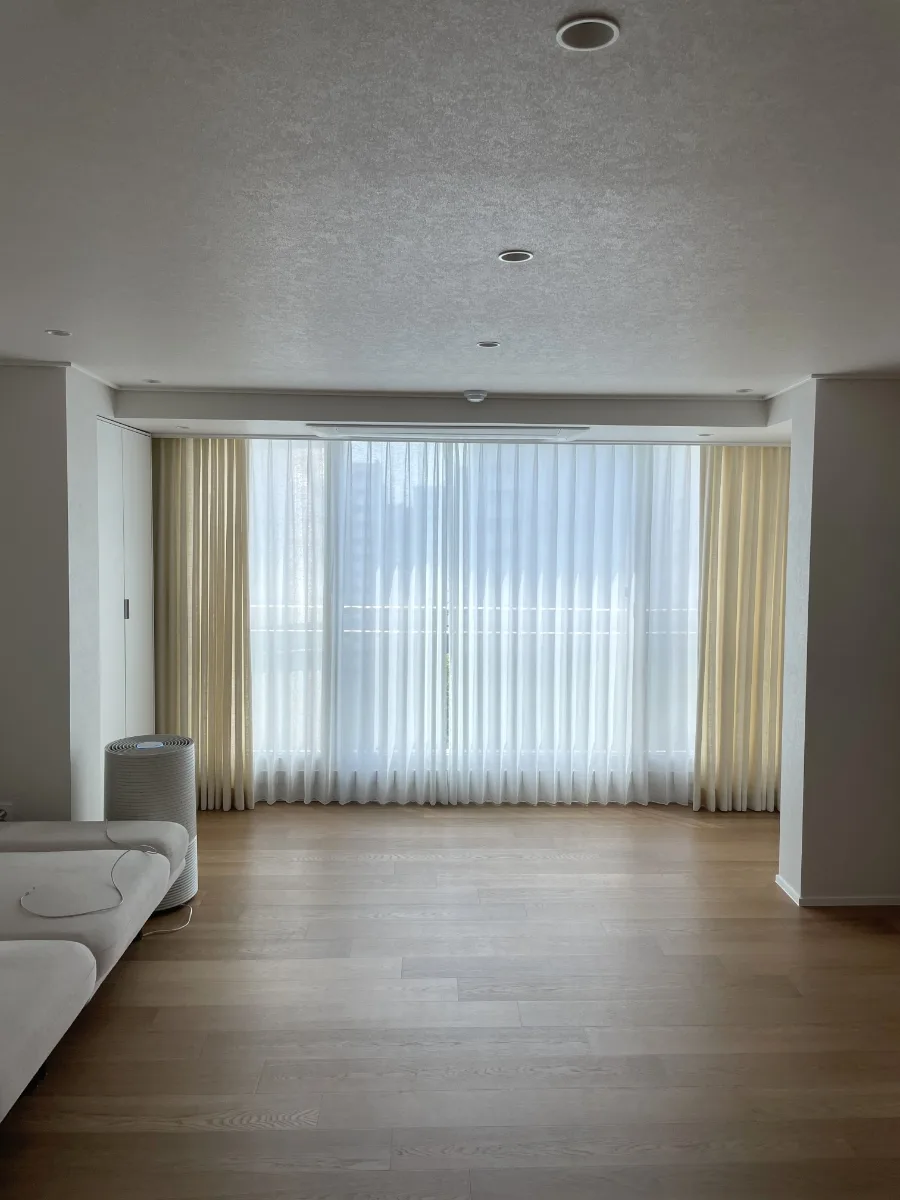
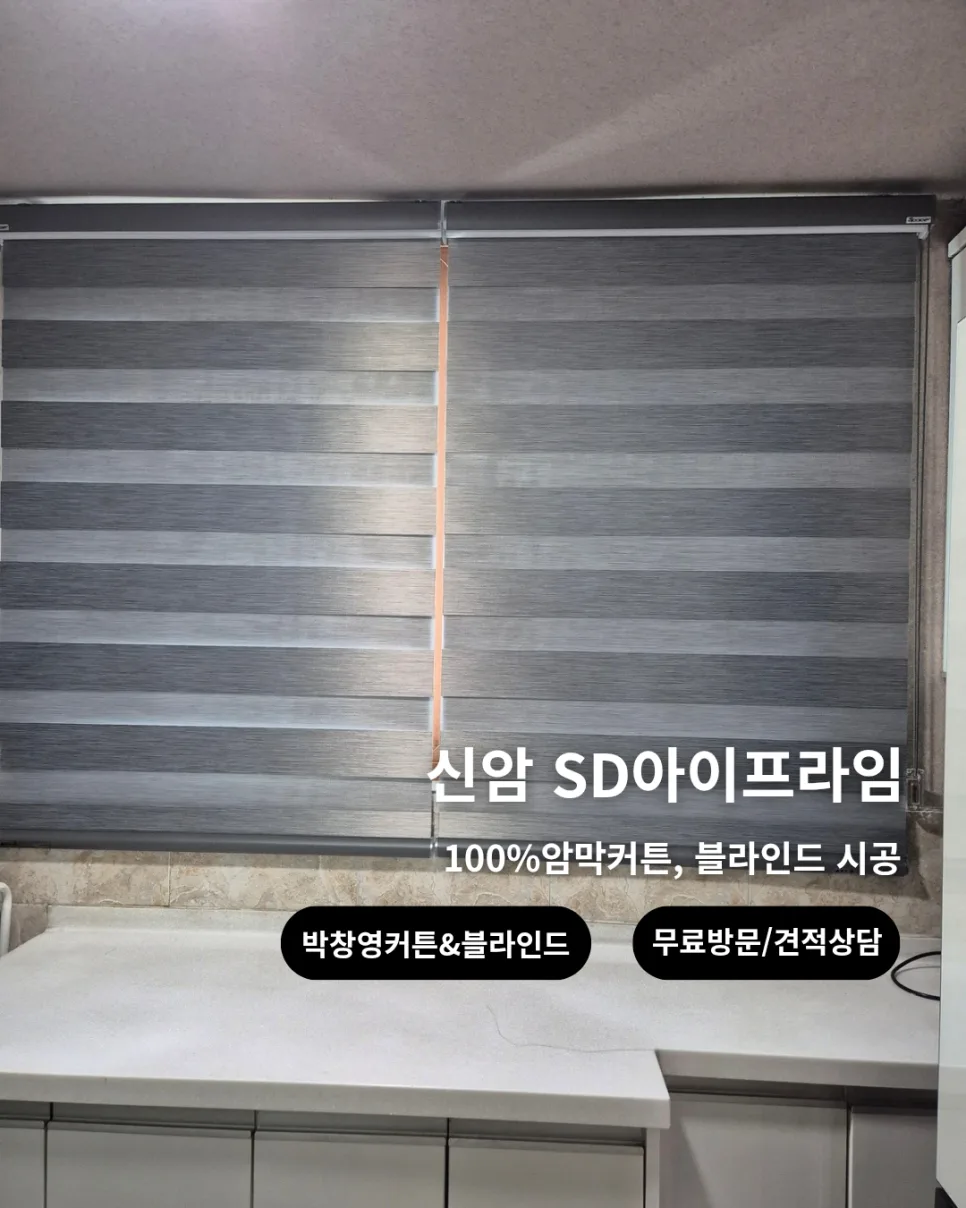
Korean interior design often features sophisticated window treatments that blend functionality with aesthetics. For bedrooms, 100% blackout curtains are highly sought after to ensure optimal sleep quality. These curtains, often made from dense, multi-layered fabrics, effectively block out nearly all external light, creating a dark, tranquil environment conducive to rest. For living areas or kitchens, 'lifestyle blackout' or 'light-dimming' blinds, such as the 'Combi' or 'Roller' blinds, offer a more versatile solution. These allow for precise control over natural light, filtering it softly to reduce glare and enhance privacy without making the room feel too dark. They also contribute to a modern, clean look, complementing the minimalist K-interior aesthetic. The precise installation of these window treatments, ensuring they are perfectly level and spaced, is crucial for both their aesthetic appeal and smooth operation, preventing noise and fabric distortion.
Where to Find Expert K-Interior Installation Services in the US?
While the original content focuses on a specific provider in Korea, finding expert installation services for K-interior inspired window treatments in the US involves looking for professionals with a keen eye for detail and a strong understanding of minimalist design principles. Seek out interior designers or custom drapery/blind specialists who emphasize clean installations and offer personalized consultations. Look for reviews that highlight meticulousness, punctuality, and a portfolio showcasing modern or minimalist projects. Many custom blind and curtain companies operate locally, and online platforms like Houzz or even local design blogs can help you find reputable installers. When consulting, be sure to discuss your desire for a Korean aesthetic, emphasizing functionality, natural light control, and a serene atmosphere. Prioritize installers who can demonstrate experience with precise measurements and installations, ensuring a flawless finish that enhances your home's overall design.
English crawl path
Next English reads from this pilot cluster
Continue through the category hub, latest English stories, and related posts so this translated article is not an isolated URL.
Tags
💬Frequently Asked Questions
What should I check first in Korean Minimalism Home Decor: 2026 Style Guide?
Does this Home & Interior article link back to the Korean source?
Where can I find similar English stories?
English discovery path
Explore more English K-culture stories
Keep browsing the indexed English pilot cluster so Google and readers can move between this story, the category hub, and fresh discovery pages.
Original Source
Read the Korean original