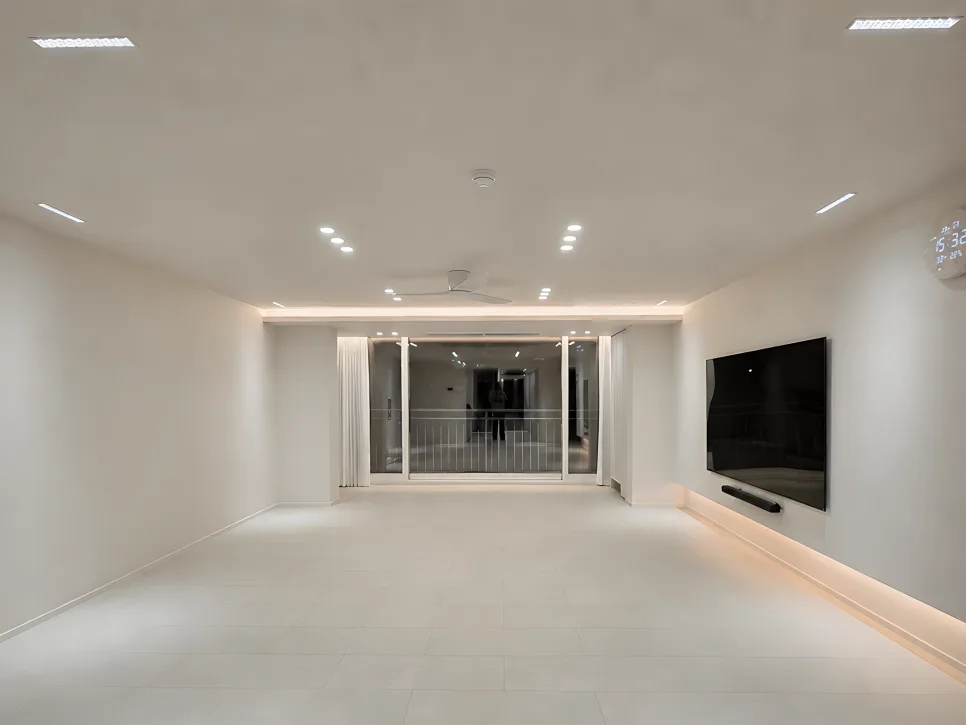
The most effective way to eliminate interior odors in Korean homes, particularly after renovations, is through a 3-step wet bake-out process using high temperatures (over 104°F / 42°C) and natural solvents. This method significantly reduces harmful Volatile Organic Compounds (VOCs) to below safety standards, ensuring a healthier living environment for families.
Why You Can't Just Ventilate Away Interior Smells
Many homeowners believe that simply opening windows will solve the lingering odors after an interior renovation. However, this is a common misconception. Studies show that indoor formaldehyde levels in newly renovated spaces can be up to three times higher than safety guidelines. The primary culprits, Volatile Organic Compounds (VOCs), include carcinogens that can trigger allergies, asthma, and other respiratory issues, especially in children and the elderly. Therefore, professional odor removal services are essential for a truly healthy home environment.
What is the 3-Step Wet Bake-Out Method?
The 3-step wet bake-out process is a scientifically advanced method that goes beyond simple air fresheners or basic ventilation. It utilizes heat and moisture to actively expel and neutralize harmful substances. The first step involves raising the indoor temperature to over 104°F (42°C), causing the microscopic pores in construction materials to open and release trapped VOCs. In the second step, a natural pine needle oil solvent is atomized into ultra-fine particles and sprayed, neutralizing these released toxins. This 100% natural solvent is safe for human contact and possesses strong adsorption capabilities. The final step involves repeated high-temperature heat treatments combined with the wet method to completely eliminate any residual pollutants. This comprehensive approach is based on extensive practical experience.
Will Bake-Out Treatment Damage My New Interior?
A common concern is whether the high temperatures used in bake-out treatments might damage interior finishes like wallpaper or films. However, generally, if the interior work, such as wallpapering or applying films, was completed 2-3 days prior, the heat treatment poses no risk. In fact, a properly executed bake-out can help stabilize the materials. For added peace of mind, professional services often carry liability insurance to cover any unforeseen issues. Real-world applications demonstrate that professional bake-out treatments can actually enhance the longevity and finish of interior materials.
What Are the Post-Bake-Out Air Quality Results?
Before starting the treatment, initial air quality tests in living areas and rooms typically reveal VOC levels exceeding environmental standards. The 3-step wet bake-out process is then implemented to address these pollutants. After the first stage of the wet bake-out, a second air quality test is conducted, and the results are communicated to the client in real-time. Throughout the process, all steps are meticulously monitored and communicated on-site. The final, third air quality test confirms that all measured levels have returned to 'normal' ranges, effectively eliminating the pungent interior odors and leaving behind a subtle, fresh scent reminiscent of a forest.
Why Is Professional Odor Removal Necessary?
Volatile Organic Compounds (VOCs) that are not removed through simple ventilation can have direct, negative impacts on health. This is particularly critical for spaces occupied by children or the elderly. Professional services like 'Air Guard' (a conceptual US equivalent) leverage their experience to assess each home's unique characteristics and materials, providing the optimal bake-out solution. Their goal is not just to mask odors but to eliminate the root cause of harmful substances, creating a truly healthy indoor environment. If you're concerned about new home syndrome or renovation odors before moving in, consulting with a professional is a wise step towards creating a safe and comfortable living space.
For more details, check the original source below.