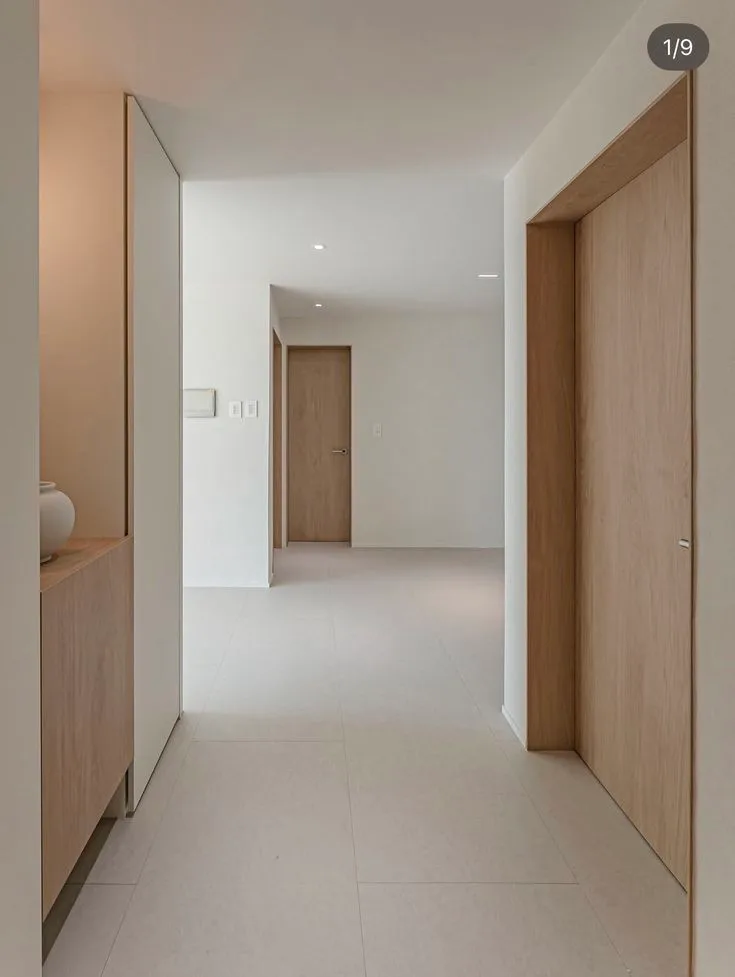
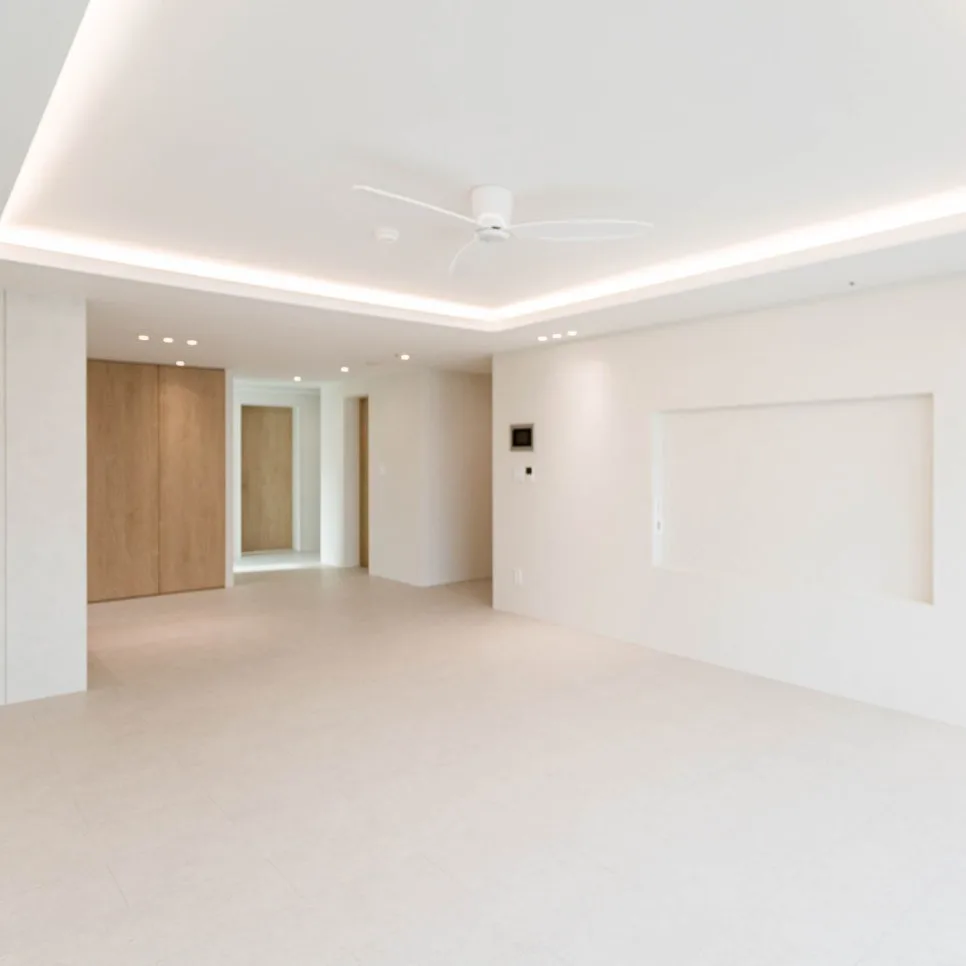
Korean interior doors, once overlooked, are now recognized for their functional benefits, especially in enhancing soundproofing and overall living quality. For 2026, understanding the essential installation procedures, sound dampening capabilities, and maintenance tips is crucial for homeowners looking to elevate their living spaces. This guide breaks down everything you need to know, drawing from real-world experiences to help you make an informed decision.
What Are the Legal Administrative Procedures for Installing Korean Interior Doors in 2026?
In 2026, installing interior doors in Korean apartments requires navigating specific administrative procedures, especially for units facing common hallways. These doors often need to comply with fire safety regulations, functioning similarly to fire doors in the US. It's essential to consult your building's management office beforehand to understand any 신고 (shingo - reporting) requirements and ensure your chosen door meets all necessary standards. Failing to adhere to these regulations can lead to orders for 원상 복구 (wonsang bokgu - restoration to original condition), incurring unexpected costs. I've seen neighbors face these issues, highlighting the importance of this initial step. For US homeowners, think of this as similar to checking with your HOA or local building codes before making structural changes.
Why is Soundproofing Performance Comparison Important, and How Should It Be Done?
Noise pollution from common areas can significantly impact your home's tranquility. Therefore, comparing the soundproofing performance of different interior doors is a critical factor in your selection process. When evaluating data, the seal and airtightness of the door frame are paramount for effective sound dampening. Look for doors with robust sealing mechanisms that minimize gaps where sound can penetrate. Beyond technical specifications, reading user reviews from actual residents can provide invaluable insights into a door's real-world performance in various living environments. This approach helps ensure you choose a door that genuinely enhances your home's acoustic comfort, much like selecting double-paned windows for better sound insulation in the US.
How Should Interior Door Handles and Hinges Be Maintained for Longevity?
The hinges and handles of your interior doors are subject to frequent use and can naturally wear down over time. Loose hinges can cause the door to sag, affecting its fit and soundproofing capabilities, while stiff handles can be frustrating. Regular maintenance is key to extending their lifespan and ensuring smooth operation. Periodically check and tighten the hinge screws, and if a handle feels stiff, use a specialized lubricant instead of forcing it. Proper care not only maintains the door's functionality and aesthetic appeal but also helps preserve its sound-dampening properties, preventing costly repairs or replacements down the line. Think of it like oiling squeaky hinges on a cabinet or ensuring your car's hardware is well-maintained.
What Are the Recent Changes in Interior Door Installation Regulations and Key Considerations?
With an increase in noise complaints in densely populated residential areas, regulations surrounding interior door installations are becoming more stringent. Simply choosing a door based on its design or price is no longer sufficient; understanding evolving environmental regulations is essential. For instance, some apartment complexes may restrict certain designs or materials, or require explicit approval from the management office. It's crucial to stay informed about your building's specific regulations and any potential changes in local ordinances. Prioritizing performance and compliance over aesthetics ensures a smoother installation process and long-term satisfaction, avoiding potential conflicts or the need for costly modifications later on. This mirrors how building codes evolve in the US to address new concerns like energy efficiency or fire safety.
For more details, check the original source below.