Looking for an apartment interior design that won't go out of style? This guide focuses on creating a lasting aesthetic by incorporating neutral tones like white and beige, strategic wood accents, minimalist design principles, and thoughtful lighting plans, all updated for 2026 trends. Achieve a comfortable and satisfying living space that you'll love for years to come.
What's the Key to Timeless Apartment Interior Design?
The most crucial aspect of apartment interior design isn't chasing fleeting trends, but rather creating a comfortable space that remains pleasing to the eye day after day. While bold and unique designs might initially grab attention, they can become tiring over time. In contrast, a design rooted in fundamentals offers enduring satisfaction and allows for easy updates through furniture and decor changes. Many homeowners find that interiors built around core colors and materials are the most satisfying, even after five or more years of living in them. For 2026, timeless choices like white, beige, and light wood tones continue to be popular because they make spaces feel brighter and larger, harmonizing beautifully with virtually any furniture style. These neutral palettes provide a versatile foundation that adapts to evolving tastes.
Tip: Aim for a cohesive color scheme in your basic finishes like walls, flooring, and doors. Opting for soft, muted tones over strong colors will help maintain a comfortable atmosphere that doesn't feel dated.
How Do You Incorporate Wood Tones for Lasting Apartment Interiors?
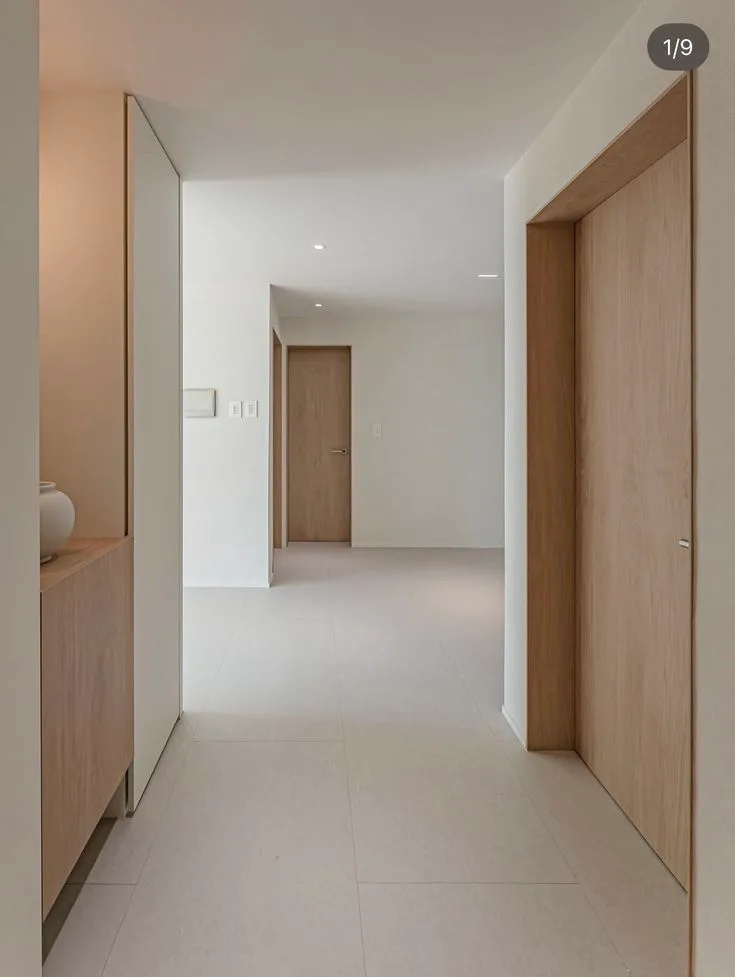
A clean white or beige interior can sometimes feel stark or uninviting. Strategic wood accents can introduce warmth and coziness, transforming the space. Consider using a light oak tone for your living room flooring or incorporating wood elements in your kitchen cabinetry or dining table for a welcoming feel. Wood's natural texture makes it resistant to looking dated. However, avoid mixing too many different wood colors, as this can make the space appear cluttered. It's best to unify the tones of your flooring, furniture, and doors. Lighter oak shades can create a fresh, expansive look, while darker walnut tones lend an air of sophistication and calm. Interior design experts often advise carefully selecting wood colors that complement the overall mood of the space.
How Should Moldings and Lines Be Designed in Apartment Interiors?
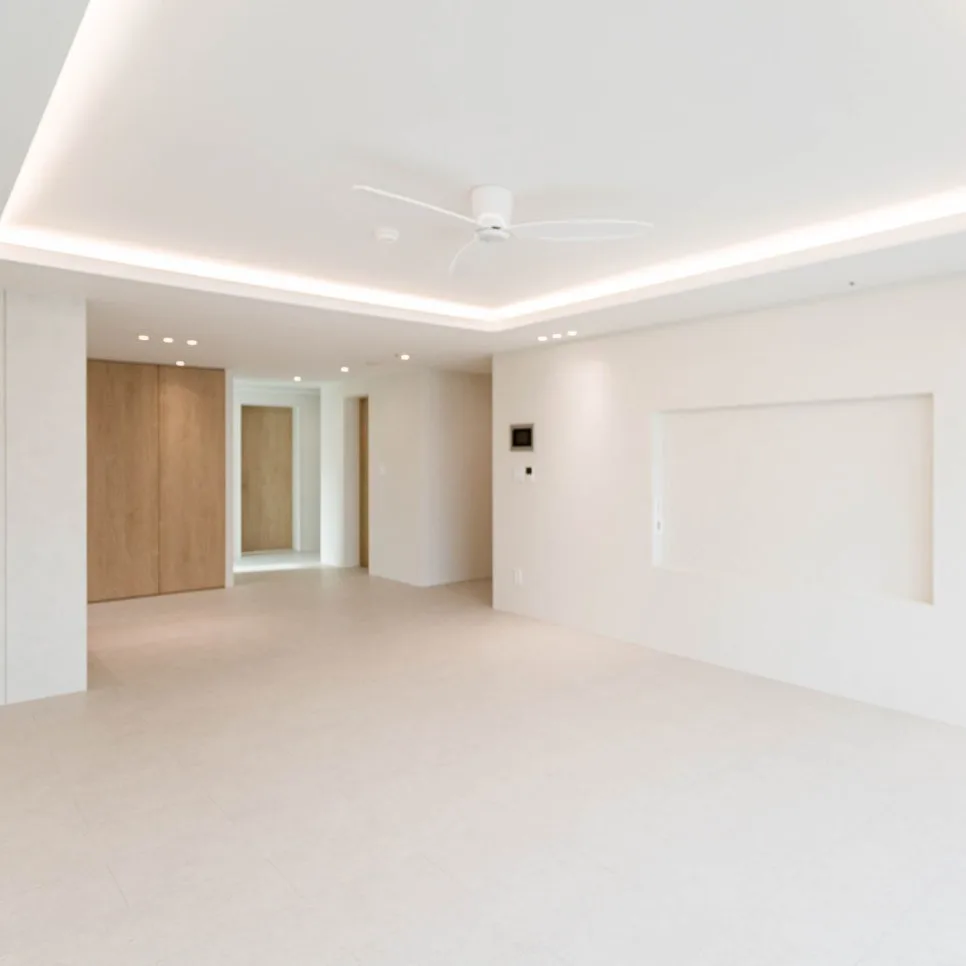
The essence of a timeless apartment interior lies in its restraint. Overly complex wall decorations, moldings, lighting lines, or furniture designs might impress initially but can quickly lead to visual fatigue. Minimalist designs featuring clean lines, such as frameless molding (often called ' 무몰딩' in Korean design), hidden doors ('히든도어'), and linear lighting, are increasingly favored. These elements contribute to a more organized and visually spacious feel. Areas frequently in view, like the living room or hallway, benefit greatly from simple, clean lines for long-term comfort. If you wish to add a focal point, concentrate on a single wall, a lighting fixture, or a piece of furniture rather than overwhelming the entire space. A simple linear light or a minimalist pendant lamp can provide a sophisticated touch.
Caution: Excessive molding or intricate designs can quickly appear dated and detract from your space. Choosing simple, clean designs is key to long-term satisfaction.
What's the Best Way to Balance a Living Room Interior Beyond Trends?
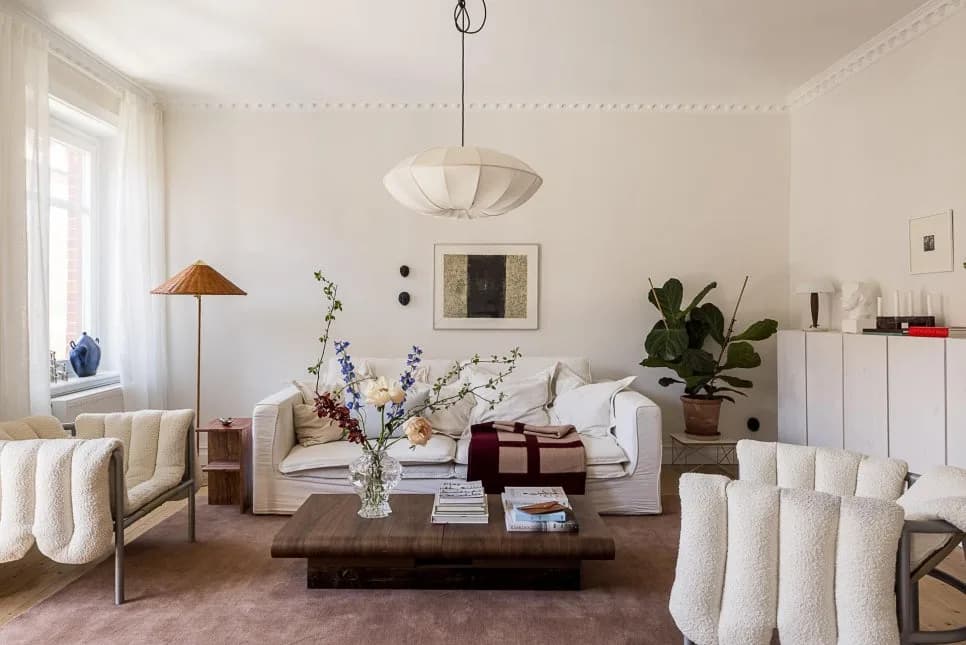
The living room is where families spend most of their time and often serves as the first impression for guests, making a sense of stability more important than trendiness. Keep the TV wall clean with a simple finish or a painted look, and allow for some negative space on the wall behind the sofa. Incorporating ambient lighting, such as indirect lighting or floor lamps, can create a cozy and inviting atmosphere, especially in the evenings. Fabric elements like sofas, curtains, and rugs should naturally blend with the overall color scheme. Neutrals such as beige, gray, ivory, and brown are classic choices that offer enduring appeal and a sense of calm. Many households successfully use these neutral tones to anchor their living room design.
How Can Kitchens Harmonize Both Cleanliness and Practicality?
Kitchen interiors require a careful balance between aesthetics and functionality; a misstep in either can lead to regret. For a kitchen you'll love for years, consider the countertops, storage, lighting, and workflow comprehensively. Instead of choosing strong colors for both upper and lower cabinets, maintain a bright and calm overall tone. Opting for handleless cabinet doors, matte finishes, and easy-to-clean countertop materials helps preserve a clean look over time. Storage is also paramount in a kitchen, as it's a space where daily life is very visible. Clutter from cooking utensils, dishes, and small appliances can quickly make even the most beautiful kitchen look messy. Therefore, securing ample hidden storage solutions during the initial design phase is essential. Consider built-in appliances or a dedicated pantry space.
What's the Best Approach to Lighting for Long-Lasting Interiors?
The ambiance of a space can be dramatically altered by its lighting. For an interior that stands the test of time, focus on creating soft, natural light rather than overly flashy fixtures. In the living room, relying solely on a main overhead light can be limiting. Combining indirect lighting, recessed lights, and floor lamps creates a much softer and richer atmosphere. For bedrooms, opt for warm-toned lighting that is comfortable for the eyes, promoting a sense of calm and relaxation. Choosing lighting fixtures that are simple in design prevents them from becoming dated as your tastes evolve; it's wiser to adjust the mood by controlling the direction and intensity of the light. Many people are now recognizing the significant impact lighting has on transforming a space.
For more details, check the original source below.