Achieving a stylish and functional Korean interior in 2026 is all about smart planning and selecting the right design approach. This guide breaks down how to create that coveted K-interior aesthetic, focusing on minimalist principles, smart material choices, and practical tips for a space that's both beautiful and livable, drawing inspiration from popular Korean home decor trends.
What is the Korean Interior Design Aesthetic?
The Korean interior design aesthetic, often referred to as K-interior, is gaining significant traction in the US for its clean lines, functional minimalism, and emphasis on creating a serene living environment. Think of a style that blends the warmth of natural materials with a clutter-free, organized approach, similar to the popular Muji style. This aesthetic prioritizes natural light, a neutral color palette, and multi-functional furniture to maximize space, especially in urban apartments. Korean homes often feature understated elegance, with a focus on quality over quantity. For instance, a common feature is the use of light wood tones, subtle textures, and strategically placed plants to bring a sense of calm and nature indoors. This approach is perfect for those looking to create a peaceful sanctuary that reflects modern Korean lifestyle trends, making it a sought-after look for US homeowners and renters alike.
How to Achieve a Korean Minimalist Home Style
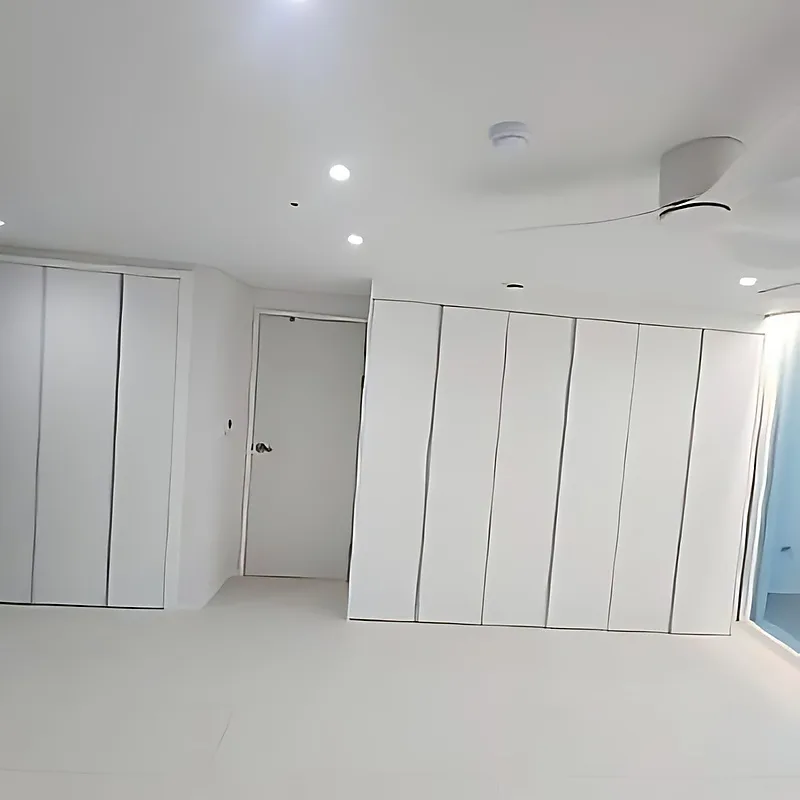
Creating a Korean minimalist home is more than just decluttering; it's about intentional design. Start by decluttering ruthlessly and adopting a 'less is more' philosophy. Choose a neutral color palette for walls and large furniture pieces – think whites, creams, light grays, and soft beige tones. Incorporate natural materials like light-colored wood for furniture and flooring, bamboo accents, and linen or cotton textiles for curtains and upholstery. This brings warmth and texture to the minimalist design. Consider multi-functional furniture, such as storage ottomans or sofa beds, to maximize space, especially in smaller apartments. Look for pieces with clean, simple lines, avoiding overly ornate details. US shoppers can find similar styles at IKEA, CB2, West Elm, and Amazon, often labeled as 'Scandinavian' or 'Japandi' (a blend of Japanese and Scandinavian design, which shares many principles with K-interior). Prioritize good lighting, both natural and artificial, to make the space feel open and inviting.
Key Elements of Korean Apartment Style
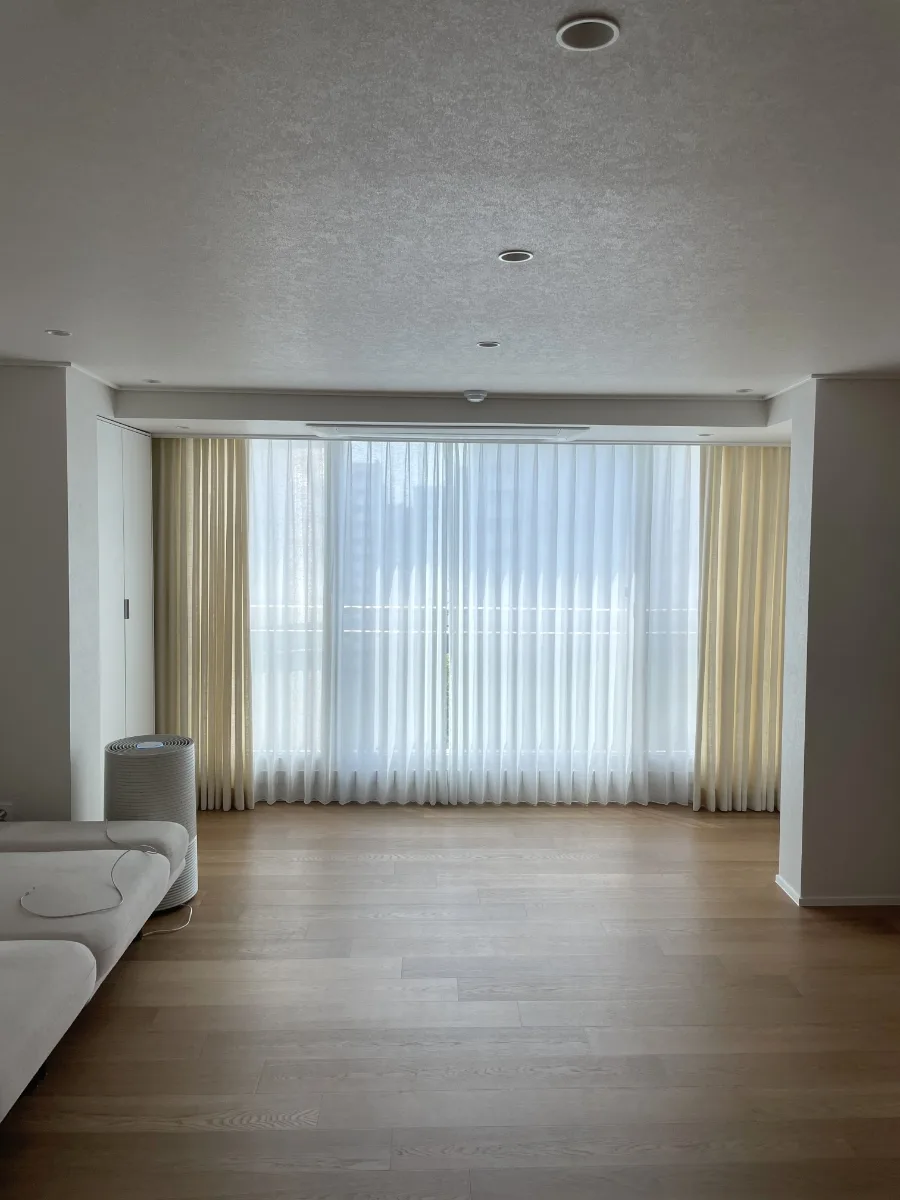
Korean apartment style often emphasizes functionality and a sense of spaciousness, even in compact urban dwellings. A key element is the intelligent use of space, often incorporating built-in storage solutions that blend seamlessly with the walls, creating a clean, uninterrupted look. This is similar to how many US apartment dwellers utilize wall-mounted shelving or custom cabinetry. Another hallmark is the emphasis on natural light; large windows are common, and window treatments are typically light and airy, like sheer curtains, to maximize daylight. Color palettes are generally muted and calming, with a focus on creating a serene atmosphere. Think about incorporating elements like low-profile furniture, which can make ceilings appear higher and the room feel more expansive. For example, a low platform bed or a minimalist coffee table can contribute to this effect. The integration of subtle, warm lighting, such as ambient floor lamps or discreet LED strips, also plays a crucial role in creating a cozy and inviting ambiance, a stark contrast to harsh overhead lighting often found in Western homes.
Tips for a Successful Korean Aesthetic Room
To successfully create a Korean aesthetic room, focus on a few key principles. Firstly, decluttering is paramount. Keep surfaces clear and organized, using stylish storage solutions like woven baskets or minimalist boxes. Secondly, choose furniture with simple, clean lines. Think about pieces that are functional yet aesthetically pleasing, such as a sleek desk or a simple wooden bookshelf. US brands like MUJI offer a similar aesthetic, and many Amazon sellers specialize in 'Korean-style' furniture. Thirdly, incorporate natural elements. Plants are a great way to add life and color, and using natural wood tones in furniture or decor can enhance the organic feel. Consider adding subtle textures through throws, cushions, or rugs. Lighting is also crucial; opt for warm, diffused lighting rather than harsh, bright lights. Floor lamps or table lamps with soft shades can create a cozy atmosphere. Finally, pay attention to details like wall art – minimalist prints or subtle abstract pieces often work best. Remember, the goal is to create a space that feels calm, organized, and uniquely yours, reflecting a modern, mindful lifestyle.
For more details, check the original source below.