Many Americans are postponing moving plans due to sticker shock from interior design quotes, with some seeing increases of over $50,000 USD in just three years. For example, one homeowner in Seoul reported a quote for a standard 84sqm (approx. 900 sq ft) apartment, including kitchen, bathroom, wallpaper, and flooring, that was $50,000 USD higher than three years prior, leading them to halt their moving plans. This article explores the reasons behind these soaring costs and offers practical solutions like DIY interior projects to manage expenses.
What's Driving the 'Moving Inflation' Phenomenon?
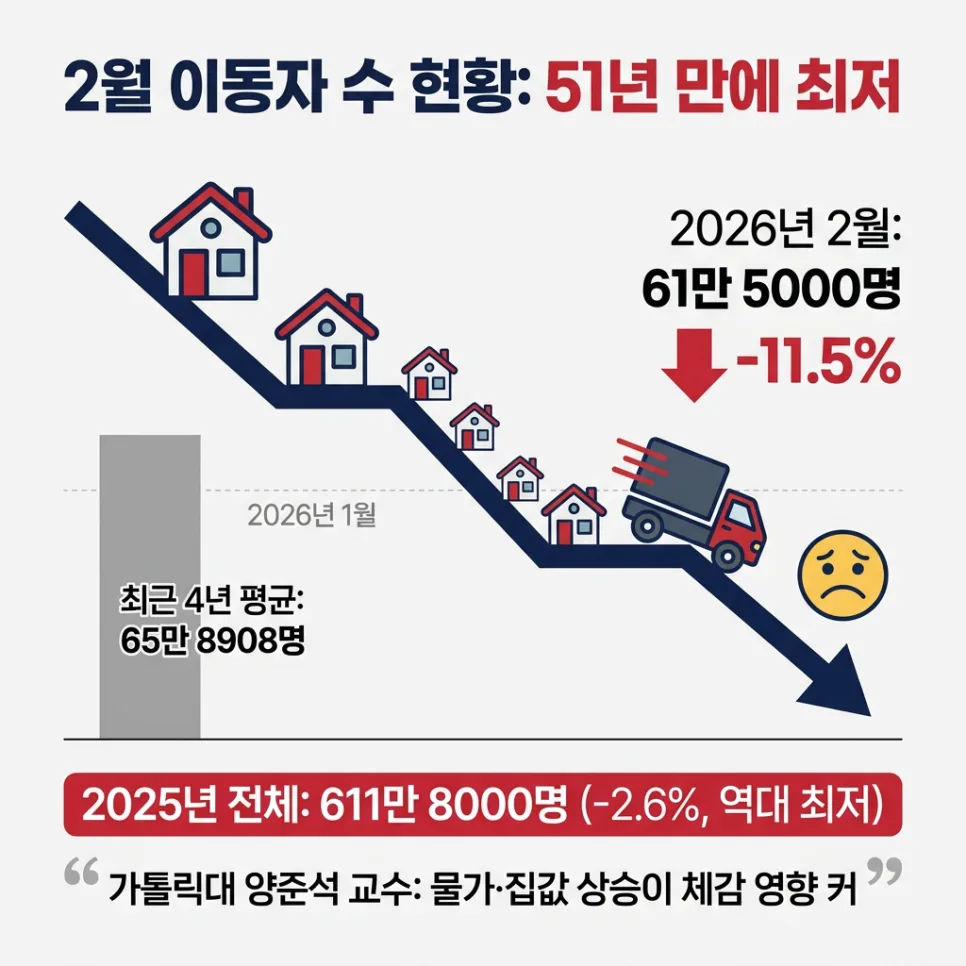
The surge in moving-related expenses, dubbed 'moving inflation' or '이사플레이션' (isaplleisyeon), encompasses not just home renovation costs but also moving truck fees and post-move cleaning services. Data shows a nationwide decrease in people moving, with 615,000 individuals relocating in February 2026, an 11.5% drop from the previous year and significantly lower than the four-year average for February. Experts suggest that the rising costs of moving and housing are having a more substantial impact on consumer decisions than economic factors alone. This indicates that financial burdens are a major deterrent to moving for many households.
The Real Culprits Behind Soaring Interior Costs
Several factors contribute to the dramatic increase in interior renovation prices. Firstly, global raw material costs have surged. Over the past five years, prices for plywood and processed wood have increased by 17-26%, lumber foundations by over 50%, metal windows by 55.4%, sink countertops by 72.1%, and electrical wiring by a staggering 111.2%. Secondly, labor costs have risen significantly due to an aging skilled workforce and a decline in younger individuals entering trades like wallpapering, tiling, and carpentry. Industry professionals note this labor shortage as a primary driver of cost increases. Additionally, consumer prices for moving services have also climbed, with moving truck fees rising by approximately 30% and furniture/household goods costs by 31%. Concerns about further price hikes for PVC-based materials due to ongoing geopolitical events also loom.
Home Prices and Interest Rates Add to Moving Burden
Beyond interior renovation expenses, the rising cost of housing and increased interest rates are further exacerbating the financial strain of moving. As of April 2026, the average sale price for a medium-sized apartment (60-85 sqm, approx. 650-900 sq ft) in Seoul reached approximately $1.05 million USD, an increase of over $70,000 USD in just five months. Furthermore, apartment rental prices in Seoul have seen a continuous upward trend for 62 consecutive weeks. Compounding this, rising interest rates on home loans significantly increase the monthly financial burden for those financing their move. For instance, a borrower who took out a $350,000 USD loan five years ago at a 2.8-4.4% interest rate might see their monthly principal and interest payments jump from around $1,750 to $2,275 USD due to rate adjustments. This combination of escalating home prices, renovation costs, moving expenses, and interest rate hikes makes moving an increasingly challenging prospect.
Practical Solutions for Reducing Moving Expenses
While many are delaying moves due to prohibitive costs, those who must relocate can explore practical strategies to mitigate expenses. One of the most effective approaches is embracing DIY interior projects. Utilizing materials like 'Temba board' (a type of decorative wall paneling) is particularly beneficial, as it's easy to install and significantly enhances a room's appearance, offering substantial cost savings on labor. Partial renovations, focusing only on specific areas like a feature wall, can also be a budget-friendly alternative to a full overhaul. Experts predict a further decrease in moving demand due to a tightening rental market and stricter loan regulations, suggesting that postponing a move might be the most sensible option for some. However, for those needing to move, actively employing cost-saving measures like DIY projects with materials such as Temba board is a wise strategy.
For more details on saving on moving costs, check the original source below.