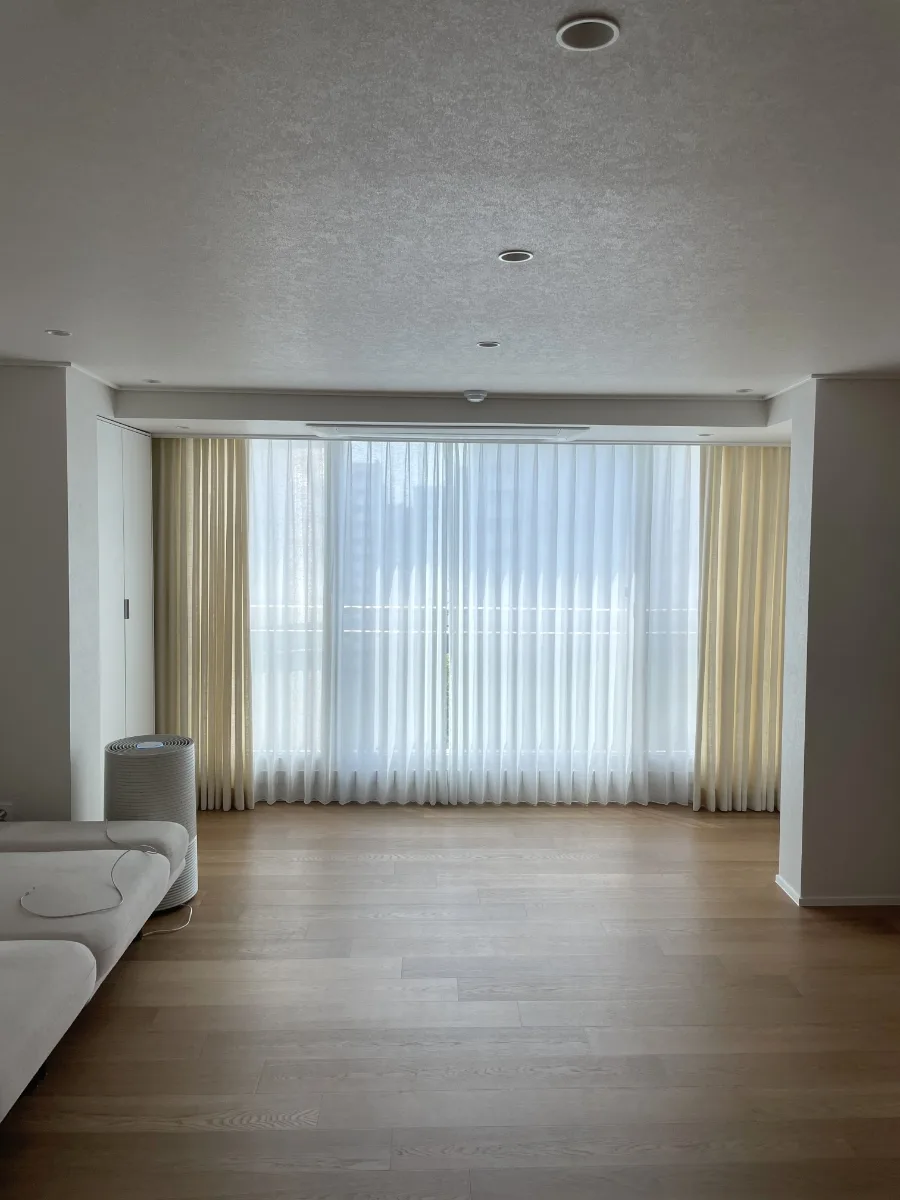
Expanding your balcony in a new Korean-style apartment in 2026 can significantly boost living space, but it requires careful consideration of insulation, condensation issues, and costs. Proper insulation and high-performance windows are crucial for a comfortable, expanded living area, ensuring it remains pleasant year-round.
Korean Balcony Expansion in 2026: What's New?
Balcony expansion is a key decision for many couples setting up their first home in Korea, directly impacting usable space. While commonly called 'balcony expansion,' it technically refers to extending the 'veranda' space, which is a structure protruding from the building's exterior. Since a 2006 revision to the Korean Building Act, this expansion has been legally permitted, often offered as an option in new apartment constructions. By 2026, stricter insulation standards and advanced window technologies are being implemented to improve energy efficiency and mitigate condensation. Experts emphasize that choosing contractors with extensive experience in condensation and insulation work is paramount. A successfully expanded balcony can increase the perceived living area by approximately 25-30%, offering newlyweds a more spacious living room or additional functional space.
Pros and Cons of Balcony Expansion in 2026

The primary allure of balcony expansion is the significant increase in usable indoor space. For apartments around 84 square meters (approx. 900 sq ft), expansion can make them feel like 100-110 sq meter (approx. 1100-1200 sq ft) units, improving flow and furniture arrangement. It also enhances natural light penetration deep into the living area, making the home feel brighter. Conversely, keeping the balcony unexpanded offers benefits for insulation. The unexpanded veranda acts as a buffer zone, helping maintain a cooler interior in summer and a warmer one in winter. It also significantly reduces the risk of condensation and mold. This space can then be utilized for various purposes, such as drying laundry, housing plants, or storage, providing a distinct separation from the main living area for a cozier feel.
Balcony Expansion Costs and Tax Implications in 2026
The cost of balcony expansion in new Korean apartments varies greatly depending on the unit size, chosen options, and the construction company. For a standard 84㎡ unit in 2026, expect costs ranging from approximately ₩13 million to over ₩20 million (roughly $9,500 - $14,500 USD). Some developments might offer it as a complimentary upgrade, while others could charge significantly more. For older apartments where owners undertake expansion privately, costs can escalate when including insulation, new windows, flooring, and electrical work, potentially ranging from several million to tens of millions of Korean Won ($3,000 - $15,000+ USD). While balcony expansion itself doesn't directly increase property taxes, a resulting increase in the home's assessed value could indirectly lead to higher taxes. It's crucial to note that exceeding the legally permitted balcony width (typically 1.5 meters from the exterior wall) without proper permits can result in the space being counted as part of the official floor area, incurring taxes and potentially being classified as an illegal structure. Consulting with experts for accurate cost estimates and tax implications is highly recommended before making a decision.
Key Considerations Before Expanding Your Korean Balcony
The most critical factors to address when considering balcony expansion are insulation and condensation. Since the veranda naturally acts as a thermal buffer, removing it means the exterior wall becomes the new interior wall. Inadequate insulation can lead to condensation due to the temperature difference between the inside and outside, which can then develop into mold. Therefore, ensuring robust floor and ceiling insulation, installing high-performance windows (like double-glazed or Low-E coated glass), and extending the heating pipes into the expanded area are essential. Selecting a contractor with proven experience in condensation and insulation work is key to minimizing potential issues. For newlyweds, if a spacious living area is a priority, expansion might be ideal. However, if you envision using the space for laundry or housing plants, the unexpanded balcony might be a better fit. Carefully weigh your lifestyle and the specific characteristics of your home before deciding.
For more details, check the original source below.