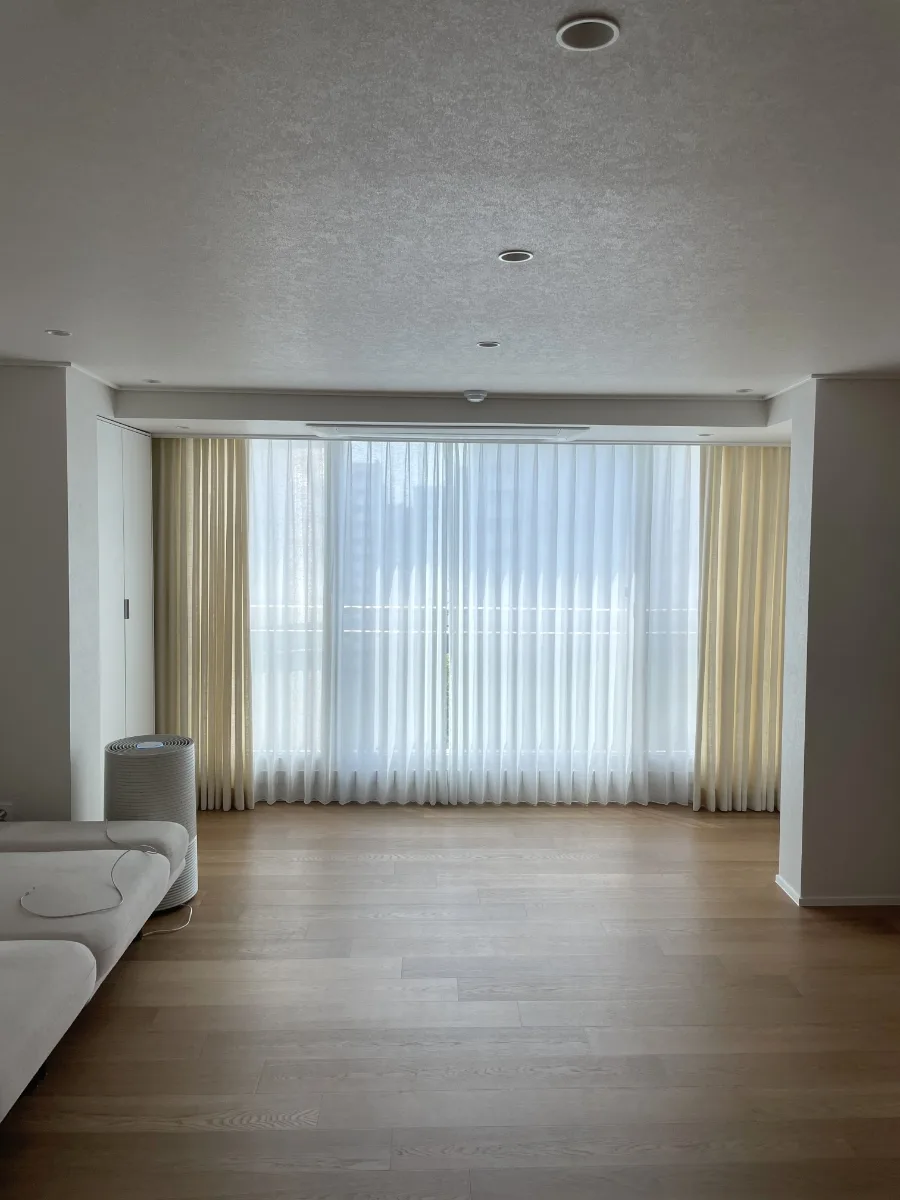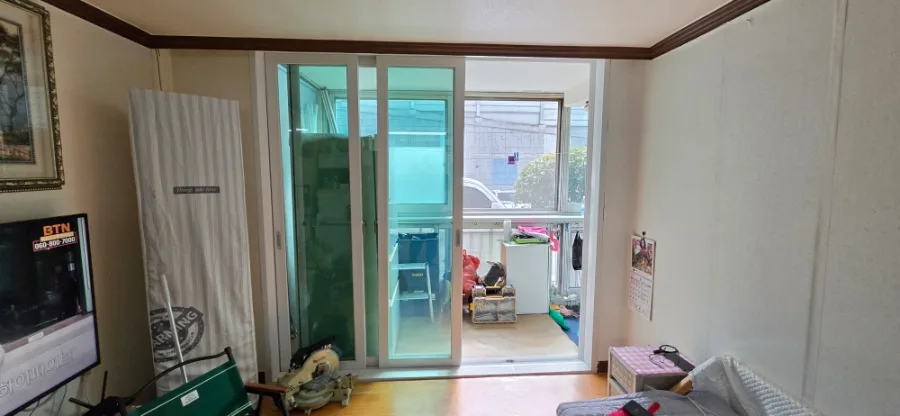
Addressing common issues in Korean window replacement, like those seen in a Busan apartment, requires meticulous attention to detail. For instance, a 2026 case highlighted a need for complete frame replacement due to poor installation, emphasizing the importance of using quality materials like 공틀바 (gongteulba, frame bars) and proper sealing with urethane foam to prevent future problems like sagging or cracks.
Why Was a Window Replacement Needed After Only Two Years?
In a recent case study from the Kumho Apartment in Busan's Jaesong-dong, a living room window replacement became necessary just two years after its initial installation. The original installation, using PNS brand windows, suffered from poor workmanship, leading to a noticeable 'lurching' or 'sagging' sensation in the window rail and visible cracks. This necessitated a full frame replacement. The new installation utilized Yeonglim Prime Windows' 공틀바 (gongteulba, frame bars) with 24mm double-glazed windows. This situation highlights the financial and practical frustration of needing a replacement so soon after the initial project, underscoring the critical importance of professional and thorough installation from the outset.
What Are the Steps for Flawless Window Installation?
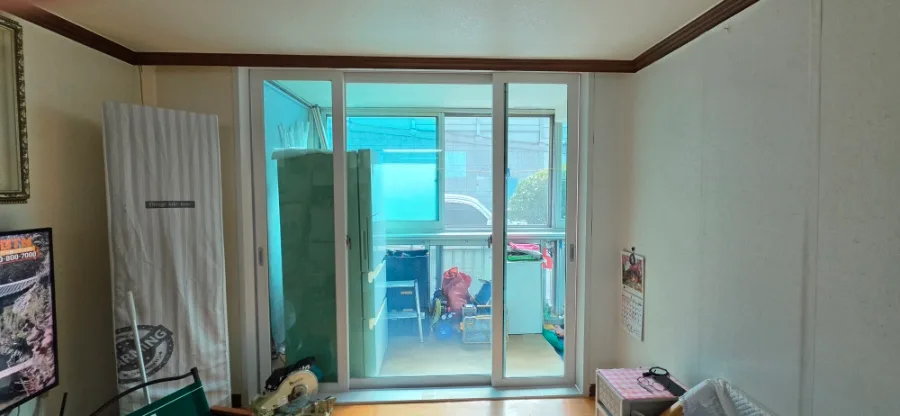
When undertaking window replacement in a residential space, minimizing dust and disruption is paramount. For ground-floor units, the removal and disposal of old frames are relatively straightforward. After the old frames are removed, the crucial step involves precisely leveling the new frame using a laser level to ensure perfect vertical and horizontal alignment. This meticulous adjustment is key to the window's smooth operation. Following this, the Yeonglim Prime Windows' 공틀바 (gongteulba) frame is installed. A critical finishing touch involves filling the base of the new frame with urethane foam. This not only provides insulation but also prevents the common issue of frame sagging or instability over time, ensuring a durable and high-performing window installation.
What Materials and Techniques Are Used in Window Installation?
In the Kumho Apartment case, the installation featured Yeonglim Prime Windows' 공틀바 (gongteulba), a type of frame designed for stability and enhanced insulation. The windows were fitted with 24mm double-glazed panes, chosen for their superior thermal and soundproofing qualities. The installation process began with the precise removal of the old window frames. A laser level was then employed to guarantee the new frames were perfectly plumb and level, ensuring the window operates smoothly without sticking or binding. The application of urethane foam into the base of the new frame is a vital technique. It seals any gaps between the frame and the wall, preventing air leaks and providing structural support that resists sagging or warping over time. This combination of quality materials and precise techniques is fundamental to the longevity and performance of the new windows.
What Potential Issues Can Arise After Window Replacement, and How Can They Be Prevented?
Common problems following window replacement include drafts from small gaps, condensation buildup, or stiff window operation. Preventing these issues hinges on meticulous installation. As mentioned, using a laser level for perfect alignment and thoroughly filling the frame base with urethane foam are essential steps to prevent future instability and air leaks. If drafts are detected after installation, a professional should inspect the sealant and caulking around the frame and wall junction, applying additional material if necessary. Persistent condensation might indicate inadequate insulation in the window itself or the need for improved ventilation within the home. Consulting with experienced professionals and ensuring a clear contract that specifies warranty and post-installation support is the best way to guarantee satisfaction and prevent costly future repairs.
For more details, check the original source below.