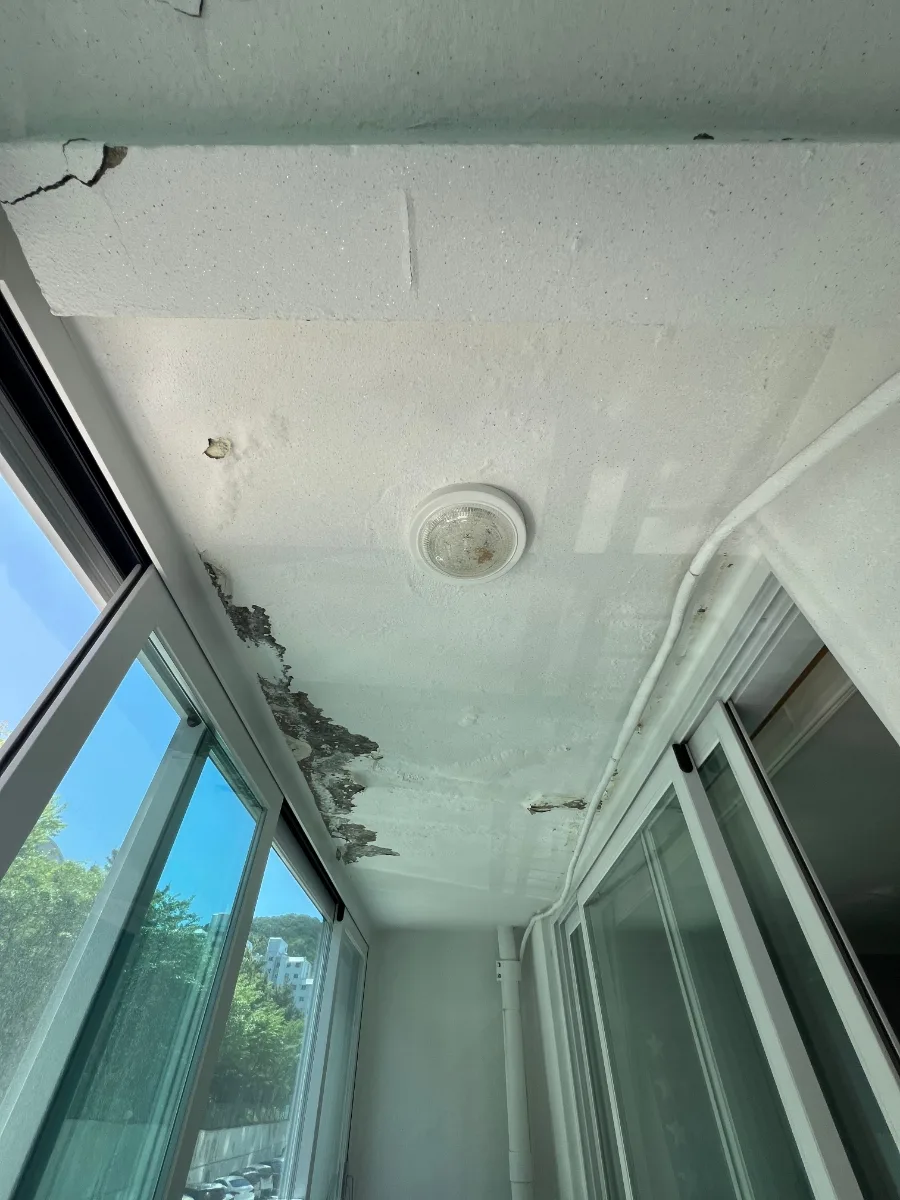
If you're considering interior upgrades like elastic coating (탄성코트) for your Korean apartment, it's crucial to understand that this treatment is NOT a waterproofing solution. Applying it over existing leaks in areas like Busan's Gupo Taekyung Apartment can lead to double the expense, as the underlying water damage will persist and require further repairs, potentially including window frame replacement.
Why You Shouldn't Apply Elastic Coating Over Leaks in Korean Apartments
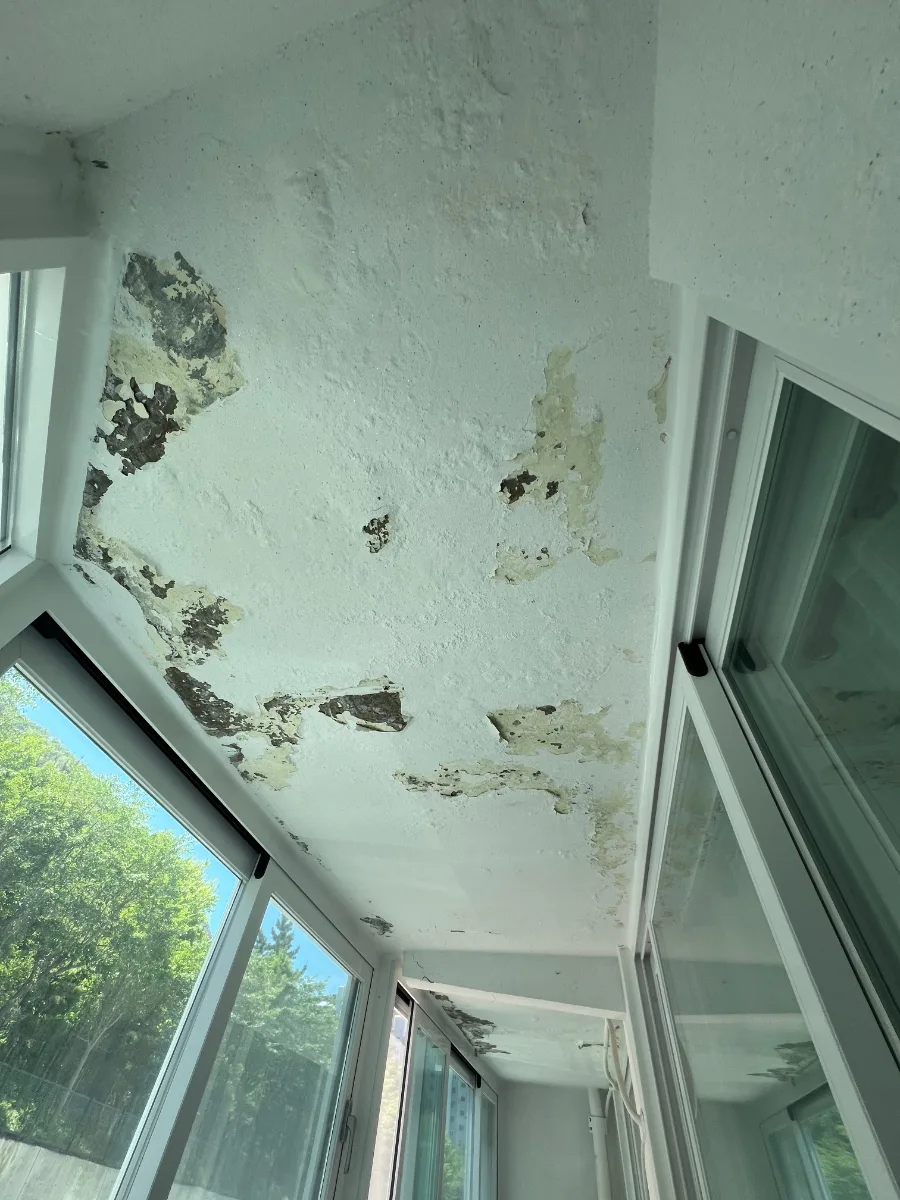
In the context of Korean home decor, elastic coating (탄성코트) is often marketed for its ability to prevent condensation and improve insulation, giving your walls a fresh, modern look. However, it's vital to recognize that this is a decorative and protective finish, not a structural waterproofing agent. In cases like the Gupo Taekyung Apartment in Busan, attempting to cover up water damage with elastic coating without first addressing the root cause of the leak is a common but costly mistake. The water ingress will continue, potentially damaging the coating from behind and necessitating expensive repairs, including window frame replacements, effectively doubling your initial investment. Always prioritize fixing the leak itself before any cosmetic upgrades.
What's the Correct Procedure When a Leak is Found in Your Korean Home?
When a leak is identified in a Korean apartment, especially before or during an interior renovation project like applying elastic coating, the correct procedure is clear: address the leak first. If you're a homeowner or tenant and discover water damage, the contractor or service provider should inform you of the issue and strongly recommend resolving the source of the leak before proceeding with any cosmetic work. Elastic coating does not possess waterproofing capabilities, meaning it won't stop water from entering your home. In such situations, a professional contractor should explain this limitation, advise on the necessary leak repair, and, if the leak isn't fixed, decline to proceed with the coating application. Some may charge a service fee for the initial assessment and then withdraw, which is the responsible approach to prevent further financial burden on the resident.
What Are the Actual Functions of Elastic Coating and Its Mold Prevention Effectiveness?
Elastic coating, commonly used in Korean interior design, primarily serves to prevent condensation, enhance thermal insulation, and offer some antimicrobial properties. It's important to manage expectations: it is not a waterproof sealant. Claims that elastic coating can completely prevent mold are often exaggerated. Mold growth is a complex issue influenced by numerous factors, including the building's structure, ventilation efficiency, humidity levels, and daily living habits. While elastic coating can help mitigate condensation, which is a common cause of mold in Korean apartments, it cannot guarantee 100% mold prevention on its own. For optimal results and to truly combat mold, consistent ventilation and proper home maintenance are essential alongside any coating application.
What Essential Checks Should Be Done Before Applying Elastic Coating in a Korean Apartment?
Before undertaking an elastic coating application in your Korean apartment, thorough preparation is key to ensuring a lasting and high-quality finish. Pay close attention to the condition of existing seals and finishes. Inspect corner silicone joints for any signs of detachment or degradation, check for cracks in ceilings or walls, and examine the areas around downspouts and window frames for sealant integrity. Addressing these basic repair needs, such as re-sealing or patching cracks, is crucial before applying the new coating. If you are living in the apartment during the renovation, meticulous masking and protection (보양 작업) are vital to prevent paint dust from contaminating living spaces, especially ensuring that the coating material does not enter window tracks. Working with the windows closed during application also helps contain dust and fumes.