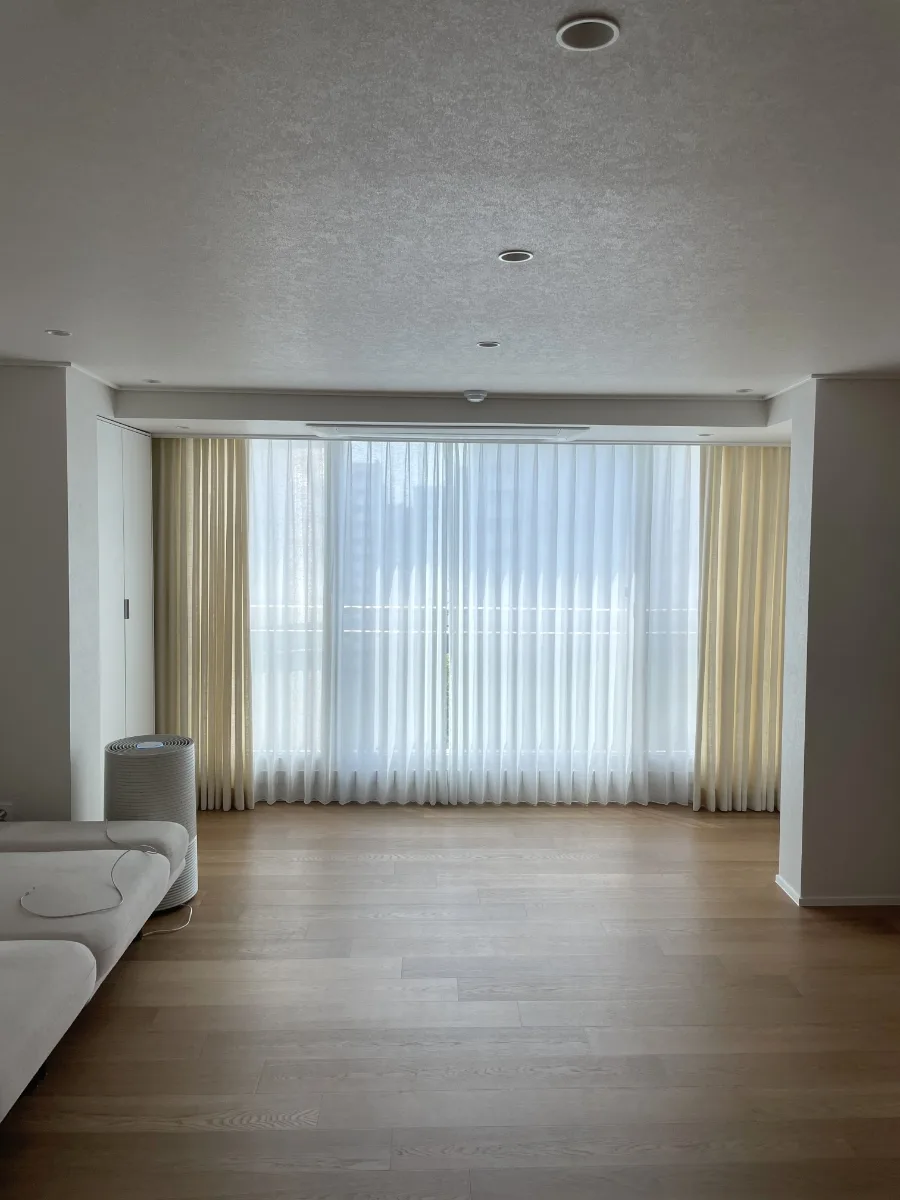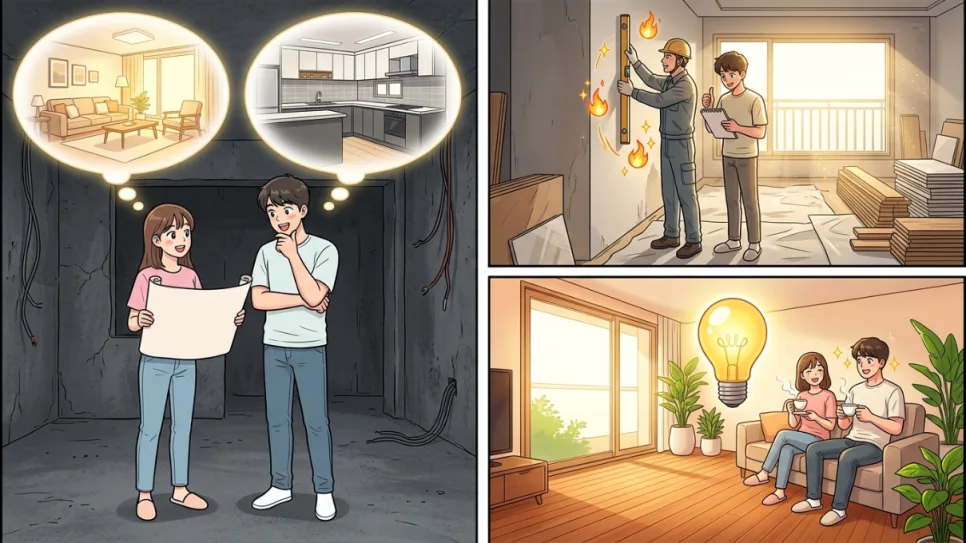
In 2026, the Korean 'Minus Option' interior approach allows new apartment owners to significantly cut costs by excluding basic finishes from the builder, potentially saving tens of millions of Korean Won (approximately $7,000-$15,000 USD). This guide details the step-by-step process, cost-saving tips, and essential checks to prevent common issues, empowering you to create a personalized living space affordably.
Why Choose a Minus Option Interior?
If you dream of a new apartment that perfectly reflects your personal style, the 'Minus Option' interior is a compelling choice. This method involves receiving a credit from the builder for basic finishes like flooring, wallpaper, and kitchen fixtures, which you can then use to implement your own custom design. The primary advantage is breaking free from cookie-cutter apartment layouts, allowing for personalized touches such as altering kitchen configurations or incorporating high-end materials. Furthermore, by reducing the base sale price, you also lower the taxable amount for acquisition tax, leading to initial tax savings. However, it's crucial to understand that full responsibility for all construction processes and any resulting defects falls on you, the homeowner. Unlike standard new builds where the developer handles repairs, any issues arising from your chosen contractor's work must be resolved directly with them. Managing noise complaints during construction and coordinating with the building management office also become your direct responsibilities.
What's the Basic Process for a Successful Minus Option Interior?
A systematic approach is key to a successful Minus Option interior project. Before the official move-in period begins, you must submit an application for move-in management and construction to the building management office, along with a security deposit for construction. It's vital to understand the apartment complex's regulations regarding construction hours, weekend work allowances, and any restrictions on noisy activities. Failing to prepare adequately can lead to construction delays or unforeseen problems. Since many homeowners aim to start renovations immediately upon entering the move-in period, meticulous planning and scheduling are essential. Elevator usage and key issuance are typically processed only after these administrative steps are completed, so ensuring a smooth process prevents timeline slippage.
What is the Correct Construction Order for a Defect-Free Minus Option Interior?
Internal renovations require a precise sequence of work to minimize interference between trades and ensure a flawless finish. A solid foundation is critical, as any flaws will impact subsequent stages. Therefore, adhering to a standard construction flow is highly recommended. The first step involves on-site measurement and basic electrical/plumbing work, including relocating wiring, outlets, and pipes for kitchens and bathrooms. Next is carpentry and insulation, where the framework for features like coffered ceilings, partition walls, and additional insulation for expanded balconies is established. The third stage is bathroom waterproofing and tiling; since Minus Option often only provides a basic waterproofing base, thorough triple waterproofing is essential to prevent leaks. Following this is film and painting work, which involves detailed finishing touches like matching the color of door frames and window sills. The fifth step is wallpaper and flooring installation, where wallpaper is applied first, and then the floor (like hardwood or tile) is laid to prevent damage. The final stage, the sixth, is furniture and lighting installation, including custom cabinets and sinks, followed by connecting lights and switches. Leaving at least half a day between each major phase allows for minor touch-ups and ensures each step is fully set before the next begins – a hidden technique used by seasoned professionals.
What are Practical Tips for Saving Costs on a Minus Option Interior?
Selecting the right interior contractor can save you thousands of dollars with just one clause in your contract. The first step is choosing a company with extensive experience specifically in Minus Option renovations. Unlike general renovations of older homes, new apartments require a precise assessment of the builder's basic framework, making prior new build experience crucial. When drafting the contract, always specify the exact name, manufacturer, and grade of materials to be used. Simply stating 'KCC windows' might lead to the installation of a lower-tier product from that brand; specifying the exact model and grade ensures you get what you pay for. Furthermore, since you're avoiding the cost of demolishing unnecessary builder-installed finishes, the Minus Option can actually be a cost-effective starting point for your desired interior. While individual needs vary, consulting with a professional can help you make informed decisions and optimize your budget effectively.
What Should You Watch Out For During a Minus Option Interior Project?
While the Minus Option interior offers significant advantages, it also comes with crucial points to consider. The most important is understanding that you bear the responsibility for all construction processes and potential defects. Unlike standard new builds where the developer is accountable, it's difficult to hold the builder responsible for issues arising from your contractor's work. Therefore, diligent oversight of the entire construction process and prompt resolution of any defects with your chosen contractor are essential. Additionally, managing noise complaints and coordinating with the building management office are tasks you'll handle directly. Meticulously planning the move-in and construction timelines, and familiarizing yourself with the management office's regulations, are vital to prevent disruptions like construction halts. When selecting materials, don't just rely on brand names; specifying exact product names and grades in your contract is key to ensuring quality and avoiding unnecessary expenses.
English crawl path
Next English reads from this pilot cluster
Continue through the category hub, latest English stories, and related posts so this translated article is not an isolated URL.
Tags
💬Frequently Asked Questions
What should I check first in Korean Minus Option Interiors 2026: Save Big on Your Dream Home?
Does this Home & Interior article link back to the Korean source?
Where can I find similar English stories?
English discovery path
Explore more English K-culture stories
Keep browsing the indexed English pilot cluster so Google and readers can move between this story, the category hub, and fresh discovery pages.
Original Source
Read the Korean original