Transform your living space with smart IoT lighting in your Korean apartment, offering customizable ambiance and enhanced convenience. This guide breaks down the costs, installation process, and design tips for creating a modern, connected home, inspired by the sleek Korean aesthetic.
What is Korean Apartment Style with Smart IoT Lighting?
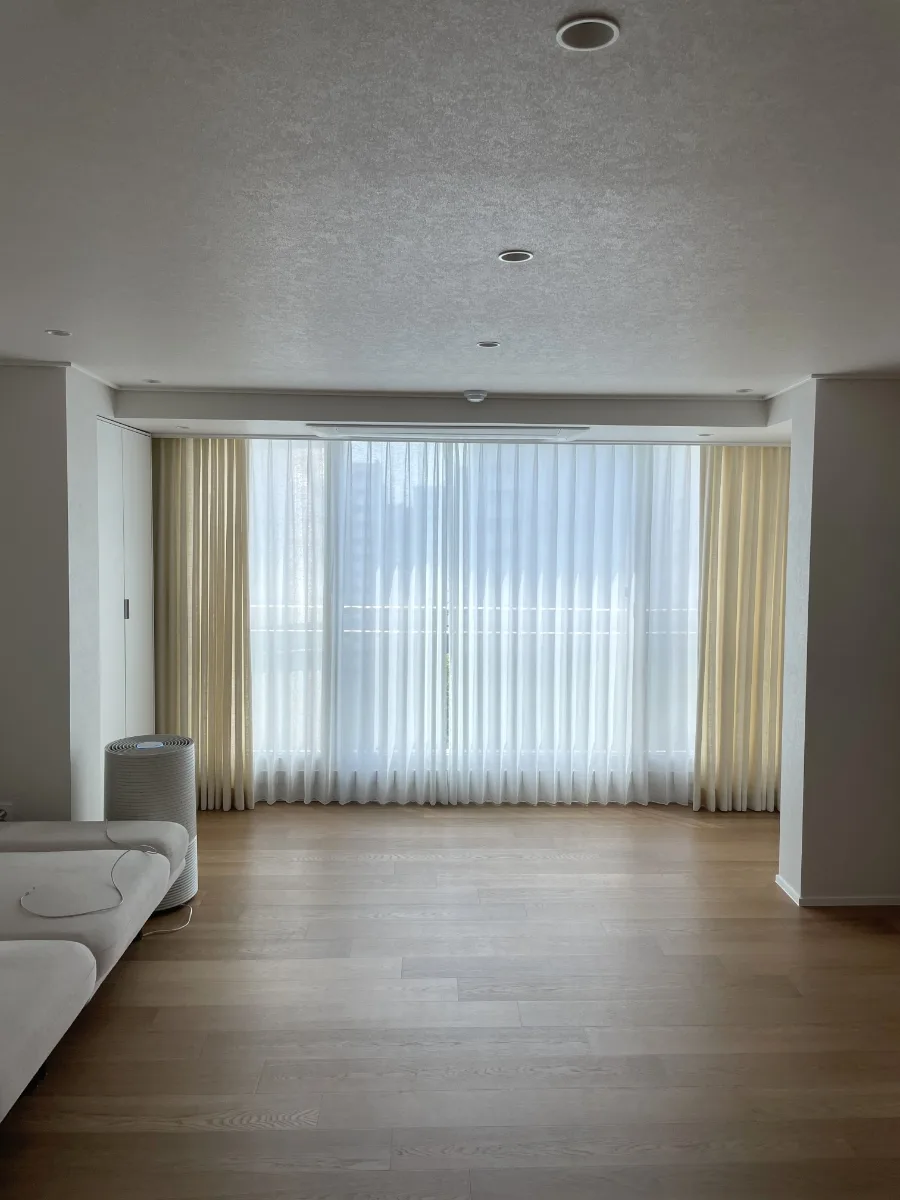
Experience a new level of home living with smart IoT lighting, as seen in modern Korean apartments like the Hanwha Porenna in Yuseong, Daejeon. This technology allows for effortless control of your home's atmosphere through smartphone apps or voice commands, adjusting color temperature and brightness to suit any mood or activity. Imagine walking into your home and having the lights automatically adjust, or waking up to gentle illumination as your smart curtains open. In the living room, specialized techniques like indirect lighting within coffered ceilings are meticulously installed, often requiring ceiling modifications and reinforcement to prevent sagging. This approach, combined with integrated film finishes and seamless appliance integration in kitchens, elevates the standard apartment into a sophisticated, personalized sanctuary, a hallmark of contemporary Korean interior design.
How to Achieve a Korean Aesthetic with Smart Lighting in Your Apartment
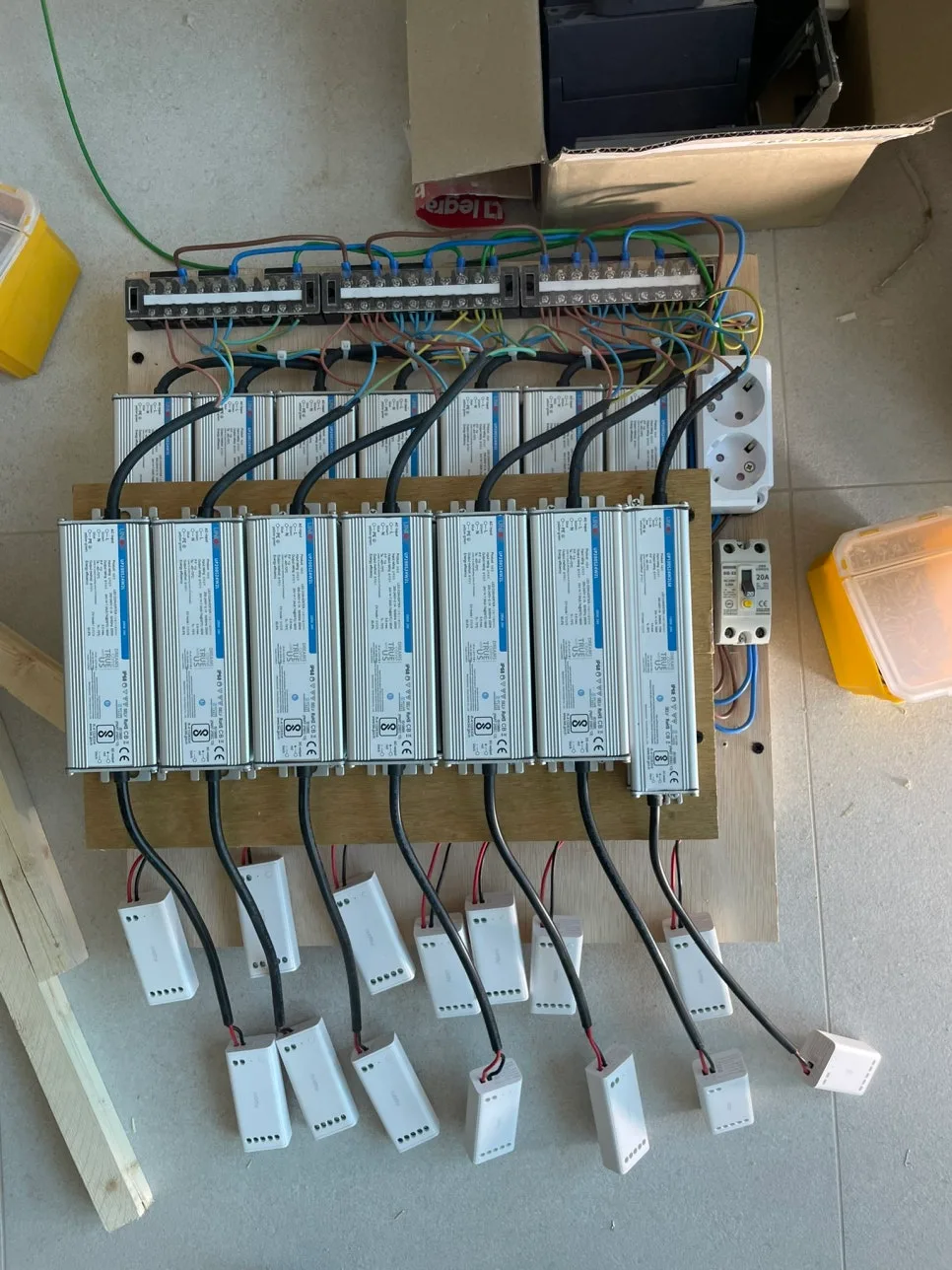
Achieve a sophisticated Korean aesthetic by integrating smart lighting throughout your apartment. In the master bedroom, replace traditional wood-toned flooring and ceiling lights with finishes like the 'Valen Blanc' film and 600x600mm square engineered wood flooring for a cohesive look. In the living area, consider mounting your TV on the wall and creating a hidden compartment for your set-top box to maintain a clean, minimalist facade. Even bathrooms can be enhanced with indirect IoT lighting under mirror cabinets and LED strips in the master bath, creating a spa-like ambiance. Smart lighting can also be incorporated into closet ceiling designs, maximizing functionality and style. All these lighting elements are controllable via a smartphone app, allowing you to effortlessly switch between vibrant colors and subtle hues, or even automate lighting sequences based on your daily routine. This thoughtful integration of light is key to the popular 'Korean apartment style' that emphasizes both form and function.
What are the Pros and Cons of Smart Lighting, and What's the Cost?
The primary advantages of smart IoT lighting are unparalleled convenience and the ability to significantly enhance your home's aesthetic appeal. You can control your lighting through smartphone apps or voice assistants, easily adjusting brightness and color to create the perfect ambiance for any occasion. Furthermore, automation features can contribute to energy savings. However, the main drawback is the initial investment; smart lighting systems typically cost more than traditional lighting due to the advanced technology and professional installation required. The overall cost can range from several million KRW (approximately $2,000 - $7,000 USD) to over ten million KRW ($7,000+ USD), depending on the scope of the project, the types and brands of fixtures chosen, and the complexity of your apartment's layout. For an accurate estimate, consulting with an interior design professional for a site-specific quote is essential.
What Common Mistakes Should You Avoid with Smart Lighting Installation?
When planning a smart lighting installation, several common pitfalls can detract from the desired outcome. A lack of thorough planning is a frequent mistake; homeowners may not clearly define their goals for ambiance and functionality, leading to a system that doesn't fully meet their needs. Another oversight is failing to consider the system's interoperability – ensuring all devices work together seamlessly is crucial for a smooth user experience. It's also important to think beyond the initial setup. Consider future expansion possibilities and ensure the chosen system can accommodate additional smart home devices later on. Finally, don't underestimate the importance of professional consultation. While DIY is possible for some aspects, complex installations, especially those involving integrated ceiling work or intricate wiring, are best left to experts to ensure safety, proper function, and adherence to building codes, ultimately preventing costly errors and ensuring you achieve the desired Korean minimalism.
For more details, check the original source below.