For a sophisticated Korean apartment aesthetic, focus on a clean, minimalist approach with chic gray walls, especially in smaller spaces. This guide explores how to achieve a modern, clutter-free look using techniques like strategic wallpaper application and understanding the nuances of older apartment renovations, drawing inspiration from popular K-interior trends.
Can You Reuse Existing Wallpaper Primer for a 2026 Korean Interior?
In a 20-pyeong (approx. 700 sq ft) apartment in Hwajeong-dong, Seoul, a recent wallpapering project revealed that older apartments can still offer a solid foundation for a modern makeover. The existing primer, known as 'chobae' in Korean, was in good condition, showing minimal lifting or adhesion issues and maintaining structural integrity without significant moisture damage. This allowed the renovation team to proceed with the new wallpaper installation without a full re-priming, saving both time and cost. However, a thorough inspection is crucial. This includes checking for any lifting, poor adhesion, weakened backing, or signs of moisture and mold. Proceeding without addressing these issues can lead to future problems and costly repairs. This meticulous assessment is part of the professional service offered by top interior specialists, often including free consultations.
How to Create a Serene Atmosphere with Light Gray Silk Wallpaper
Related Articles
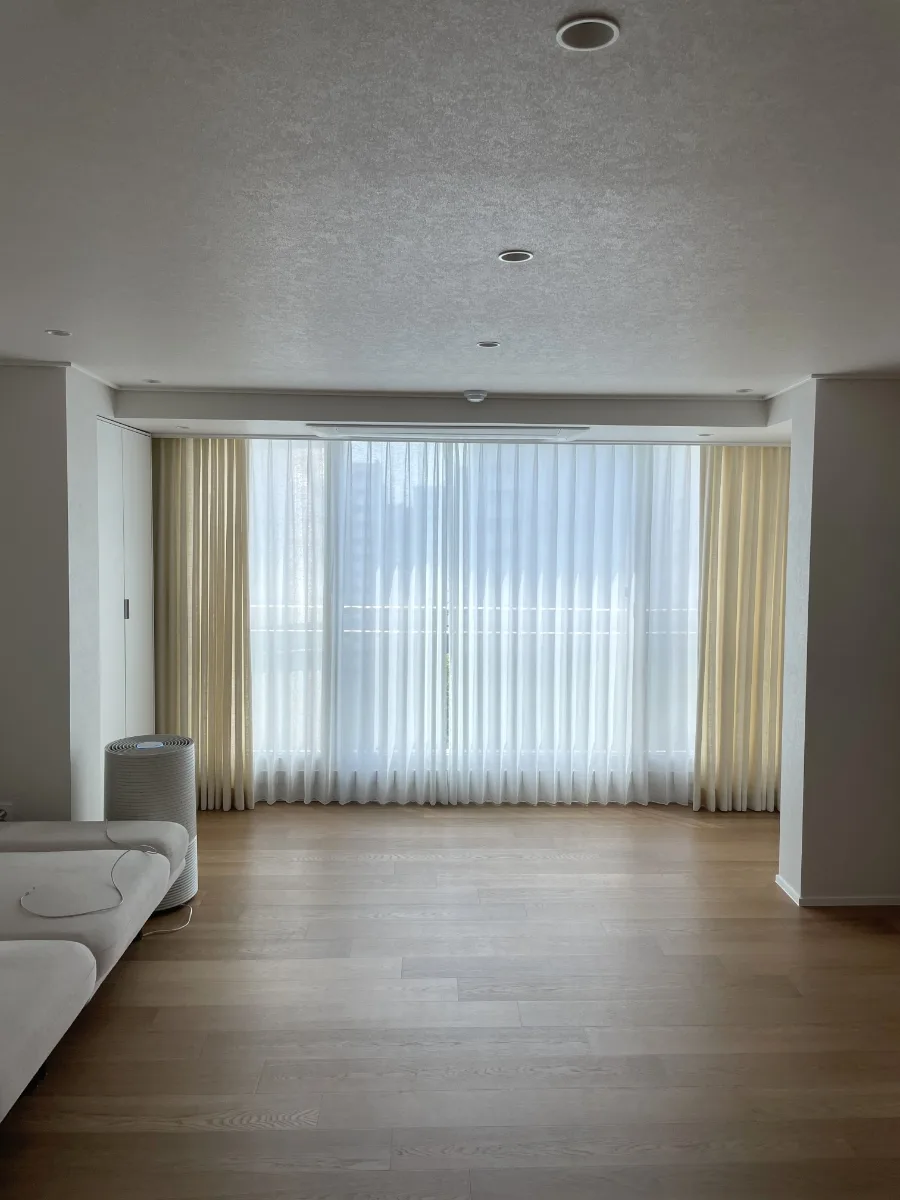
The homeowners desired a clean and sophisticated ambiance for their apartment, planning to reside there long-term. Opting for a light gray silk wallpaper provided a subtle yet impactful transformation. This choice created a calm and refined atmosphere throughout the space, with the neutral tone seamlessly connecting different rooms for a cohesive look. The understated color palette ensures the design remains timeless and pleasing to the eye, avoiding the feeling of being overwhelmed by bold patterns. After installation, it's normal for the wallpaper to appear slightly wrinkled. This is temporary; as the material dries over approximately one week, it will naturally smooth out, resulting in a crisp, polished finish. This approach aligns with the popular K-interior trend of creating serene, functional living spaces.
Is a Full Re-Prime Always Necessary for Older Korean Apartments?
This renovation highlights that a complete re-priming isn't always the best solution for older Korean apartments. The key lies in accurately assessing the existing conditions and choosing the most suitable method. Excellent results don't stem from excessive work but from precise judgment tailored to the specific site. For older apartments, this involves a comprehensive evaluation of the wallpaper's condition, the underlying primer ('chobae'), insulation, and any moisture issues. If there's significant lifting or mold, a partial or full re-prime might be necessary. However, as seen in this case, a sound foundation allows for cost-effective renovations by utilizing the existing primer. This strategic approach ensures a high-quality finish without unnecessary expense, embodying the efficiency often seen in Korean home improvement projects.
What Precautions Should Be Taken When Reusing Existing Primer?
When opting to reuse existing primer for wallpaper installation, several critical factors must be addressed to ensure a lasting, high-quality finish. Firstly, inspect thoroughly for any lifting or peeling of the current wallpaper and primer; these areas must be addressed and reinforced before proceeding. Secondly, assess the adhesion quality of the existing primer. If it's failing, new wallpaper won't bond properly, leading to future issues. Thirdly, check the structural integrity of the wall surface itself. A weak or crumbling base will compromise the new wallpaper's stability. Finally, meticulously examine for any signs of moisture intrusion or mold growth, as these issues require professional remediation before any cosmetic work can begin. Addressing these points is fundamental to minimizing potential defects and ensuring a durable, aesthetically pleasing result, reflecting the meticulous standards of Korean interior design.
For detailed renovation advice, consult with interior design experts.