Dreaming of a minimalist Korean apartment aesthetic? This guide breaks down the key elements of K-interior design, focusing on creating serene, functional spaces. Discover how Korean minimalism prioritizes clean lines, natural materials, and smart storage to maximize small living areas, offering a stark contrast to cluttered Western approaches. Learn how to achieve this sought-after look in your own home, drawing inspiration from popular Korean interior trends.
What Defines the Korean Apartment Aesthetic?
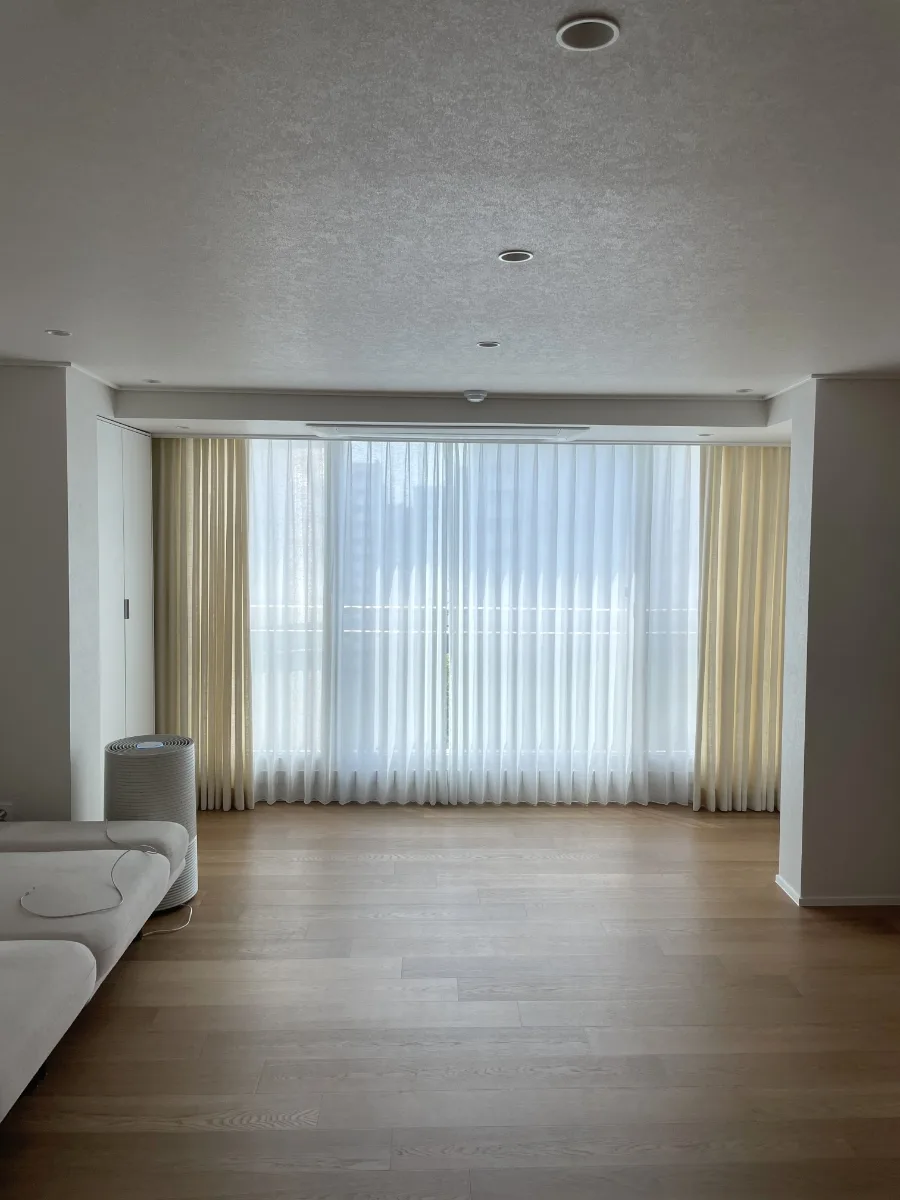
The Korean apartment aesthetic, often referred to as K-interior, is deeply rooted in principles of minimalism, functionality, and a connection with nature. Unlike many Western interior styles that might favor maximalism or bold statements, Korean design emphasizes creating a calm, uncluttered environment. This approach is particularly relevant in urban settings where space is often at a premium. Think clean lines, neutral color palettes (whites, beiges, soft grays), and an abundance of natural light. Materials like light-colored wood, subtle textures, and matte finishes are common, contributing to a serene and inviting atmosphere. Smart, hidden storage solutions are crucial for maintaining this minimalist look, ensuring that everyday items are neatly tucked away. This focus on simplicity and order creates a peaceful sanctuary that promotes well-being, a stark contrast to the often busy and decorative nature of Western home decor.
How to Achieve Korean Minimalism in Your Home
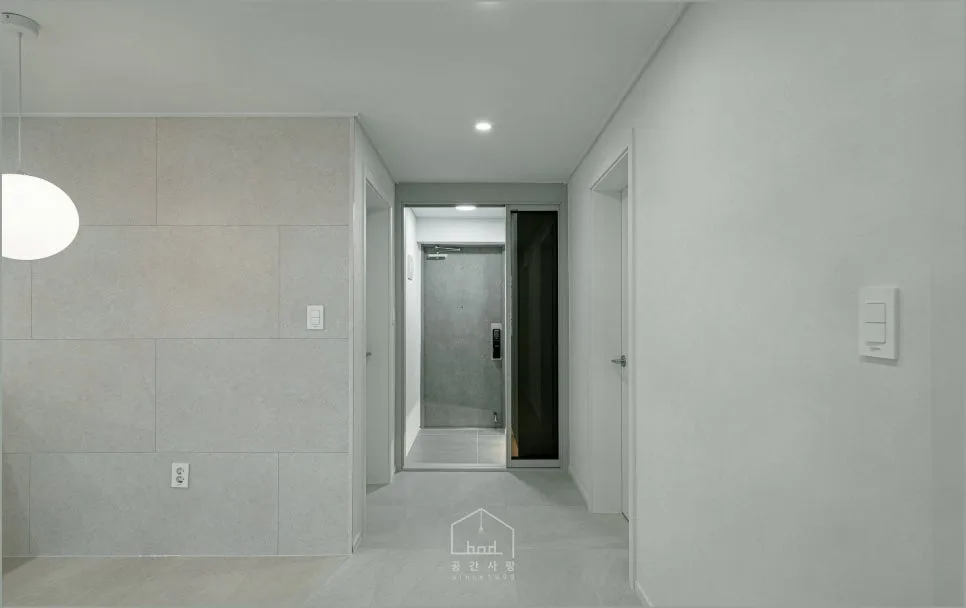
Achieving a Korean minimalist interior is about intentionality and thoughtful curation. Start by decluttering ruthlessly; the goal is to keep only essential and aesthetically pleasing items. Opt for a neutral color scheme for your walls and large furniture pieces. Consider a soft white or a warm beige to create a calming backdrop. Furniture should be low-profile and functional, with clean, simple designs. Brands like MUJI offer a similar aesthetic and are readily available in the US. Look for pieces made from light-colored wood or with matte finishes. Incorporate natural elements such as plants, wooden accents, or stone textures to bring a touch of nature indoors. Smart storage is key: utilize built-in cabinets, sleek shelving units, or hidden storage solutions to keep clutter out of sight. For example, a simple wooden console table with clean lines can serve as both a decorative piece and a storage unit. This approach ensures your space feels open, airy, and peaceful, reflecting the core tenets of Korean home decor.
Korean Interior Design vs. Western Styles: Key Differences
The primary difference between Korean interior design and many Western styles lies in their approach to space and aesthetics. Western design can often lean towards expressing personality through a variety of decorative elements, bold colors, and statement pieces. This can sometimes lead to a visually busy or cluttered feel. In contrast, Korean interior design prioritizes a sense of tranquility and order. It’s less about showcasing possessions and more about creating a harmonious living environment. While Western styles might embrace intricate patterns or ornate details, K-interior favors simplicity and understated elegance. Functionality is paramount in Korean design, with every element serving a purpose, often integrated seamlessly. For instance, a Western living room might feature a large, ornate rug, while a Korean-inspired space might opt for a simple, natural fiber rug or even polished concrete flooring. This focus on minimalism and intentionality makes Korean apartment style a refreshing alternative for those seeking a more serene living space.
Common Mistakes to Avoid in K-Interior Design
When adopting a Korean interior style, it's easy to fall into common traps that detract from the intended aesthetic. One major mistake is not decluttering enough; Korean minimalism isn't just about sparse furniture, but about an overall sense of order. Clutter, even if contained in boxes, undermines the clean, airy feel. Another pitfall is choosing the wrong materials; while aiming for natural elements, avoid overly rustic or distressed finishes that can clash with the sleek, modern K-interior vibe. Stick to smooth wood grains, matte surfaces, and subtle textures. Over-accessorizing is also a common error. While decorative items are used, they are typically few, carefully chosen, and serve to enhance the space rather than dominate it. Resist the urge to fill every surface. Finally, ensure functionality is not sacrificed for aesthetics. Korean design is highly practical; ensure your furniture and layout support your daily life, rather than hindering it. Avoiding these mistakes will help you successfully capture the essence of Korean apartment style.
English crawl path
Next English reads from this pilot cluster
Continue through the category hub, latest English stories, and related posts so this translated article is not an isolated URL.
Tags
💬Frequently Asked Questions
What should I check first in Korean Apartment Style 2026: Modern Minimalist Design Guide?
Does this Home & Interior article link back to the Korean source?
Where can I find similar English stories?
English discovery path
Explore more English K-culture stories
Keep browsing the indexed English pilot cluster so Google and readers can move between this story, the category hub, and fresh discovery pages.
Original Source
Read the Korean original