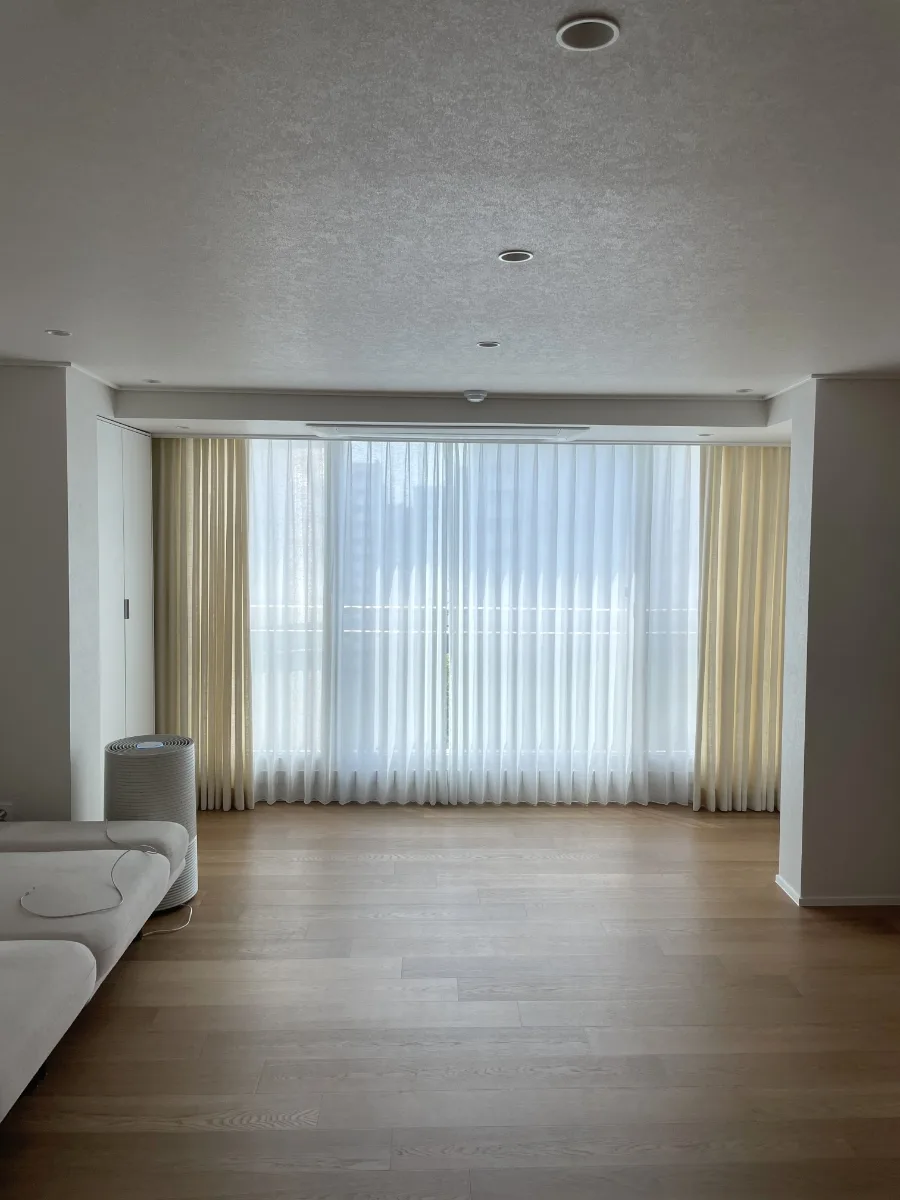
Removing non-load-bearing walls in Korean apartments, often referred to as 'gajuk' (가벽) removal, is a popular renovation project in 2026 for expanding living spaces. The average cost ranges from $250 to $800 USD, but this can vary based on the wall's material, size, waste disposal needs, and any subsequent finishing work required. It's crucial to distinguish between non-load-bearing and load-bearing walls, as removing the latter can compromise structural integrity and is illegal without proper permits.
How to Differentiate Between Non-Load-Bearing and Load-Bearing Walls in Korean Homes?
The most critical step before any wall removal is identifying whether it's a structural load-bearing wall or a non-load-bearing partition wall. In newer Korean apartment complexes, architectural blueprints (often called 'won domyeon' or 원 도면) are the definitive source for this information. Professional Korean interior renovation companies, like those specializing in 'gajuk' removal, will consult these plans. If blueprints aren't readily available or are unclear, experienced contractors can often determine a wall's function by listening to its sound when tapped or by assessing its construction. My friend learned this the hard way when they almost proceeded with removing a load-bearing wall, only to be stopped by a contractor who identified it using a simple tapping test. This expert assessment is vital to prevent structural damage and avoid legal issues.
What Are the Essential Steps for Safe and Legal Korean Wall Removal?
Related Articles
Executing a wall removal project safely and legally in Korea involves several key procedures. Firstly, it's mandatory to notify the building management office (관리사무소) about your renovation plans and obtain any necessary permits or approvals. Secondly, professional demolition teams will implement thorough safety measures before starting work, such as laying down protective coverings on floors and installing dust containment barriers to minimize disruption to neighboring units. Thirdly, all demolition work must strictly adhere to building codes and regulations. Special care must be taken to avoid damaging any embedded electrical wiring or plumbing. Furthermore, all construction waste must be disposed of in accordance with legal requirements. Reputable contractors are well-versed in these complex procedures, ensuring a smooth and compliant process for homeowners.
Korean Wall Removal Costs and Considerations in 2026
In the Yangju region of Korea, the average cost for non-load-bearing wall removal typically falls between $250 and $800 USD. This price range is influenced by factors such as the size of the wall being removed, its construction material, the volume of waste generated, and the extent of any subsequent finishing work. The primary advantage of hiring professional demolition services is the assurance of safety and legal compliance. Additionally, these services can seamlessly integrate with follow-up interior tasks like leveling floors, repainting walls, or adjusting electrical layouts, leading to efficient project management. However, it's important to note that professional demolition can be more costly than DIY approaches, and unforeseen issues like uneven floor levels or exposed pipes after removal might incur additional expenses.
Common Mistakes to Avoid During Korean Wall Removal Projects
A frequent oversight among homeowners planning wall removals is underestimating the complexity of the task, treating it as merely knocking down a wall. This often leads to critical errors such as failing to distinguish between load-bearing and non-load-bearing walls, or proceeding with demolition without prior consultation with the building management. Another common pitfall is focusing solely on the demolition cost while neglecting the essential post-removal finishing work. This oversight can result in unexpected expenses and project delays down the line. Choosing an inexperienced contractor can also lead to safety hazards or structural defects.