Transform your living space with the clean, functional aesthetic of Korean apartment design. This guide breaks down the key elements of K-interior, focusing on minimalist principles, smart space utilization, and creating a warm, inviting atmosphere. Discover how to achieve a similar look in your US home using accessible materials and design strategies, drawing inspiration from popular Korean trends that emphasize harmony and understated elegance.
What is the Korean Apartment Aesthetic?
The Korean apartment aesthetic, often referred to as K-interior, is characterized by its emphasis on minimalism, functionality, and creating a serene, comfortable living environment. Unlike Western approaches that might favor ornate details or bold statements, K-interior prioritizes clean lines, neutral color palettes, and smart storage solutions to maximize space, especially in smaller urban dwellings. Think of it as a blend of Japanese Muji-style simplicity with a touch of cozy warmth. This approach is particularly popular in South Korea, where apartment living is common, and designers focus on making every square foot count. The goal is to create a peaceful sanctuary that feels both modern and deeply personal, often incorporating natural materials and soft lighting to enhance the sense of calm. This philosophy extends to every aspect of the home, from the entryway to the living room and private spaces.
How to Achieve a Minimalist Korean Entryway
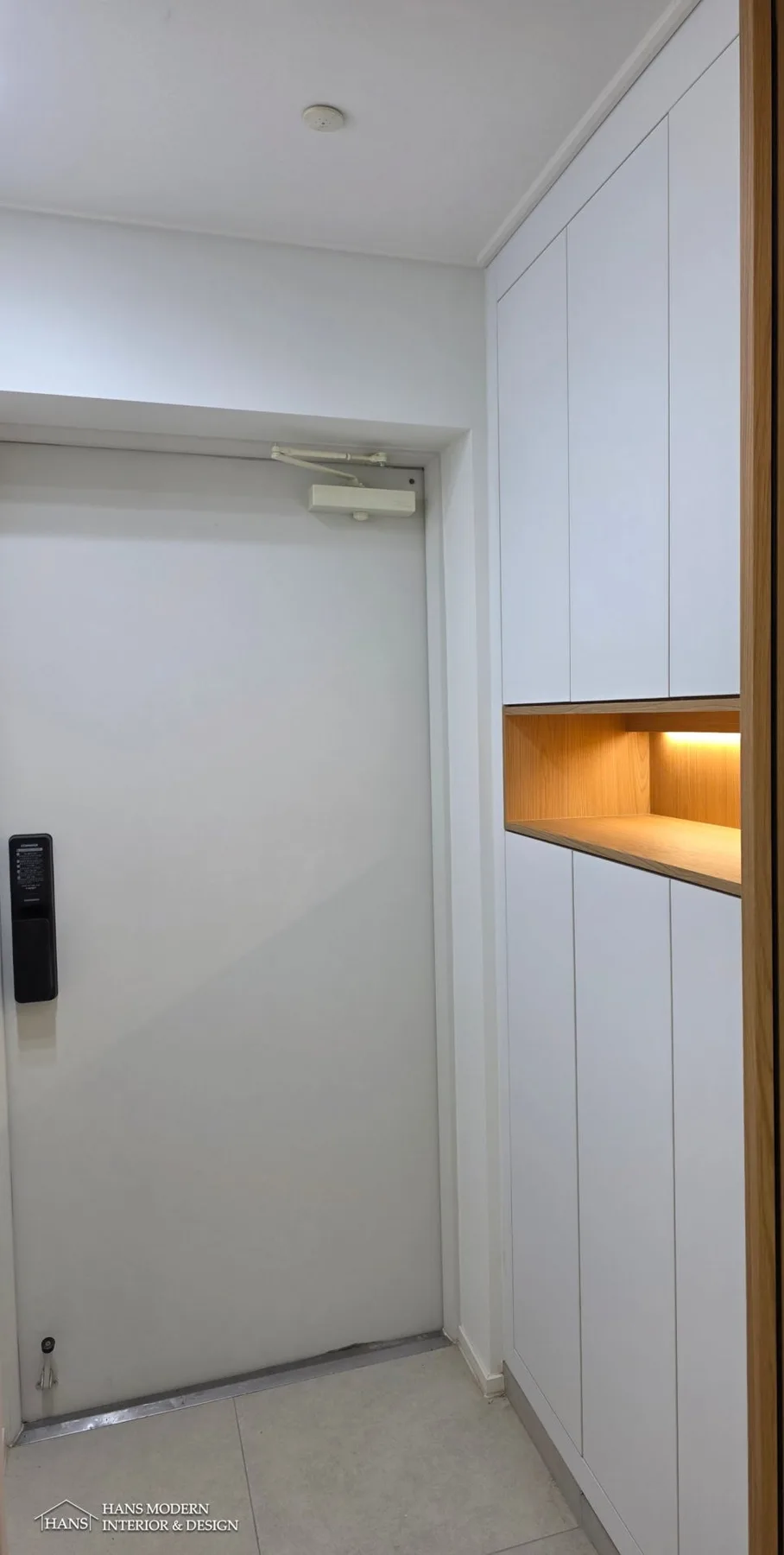
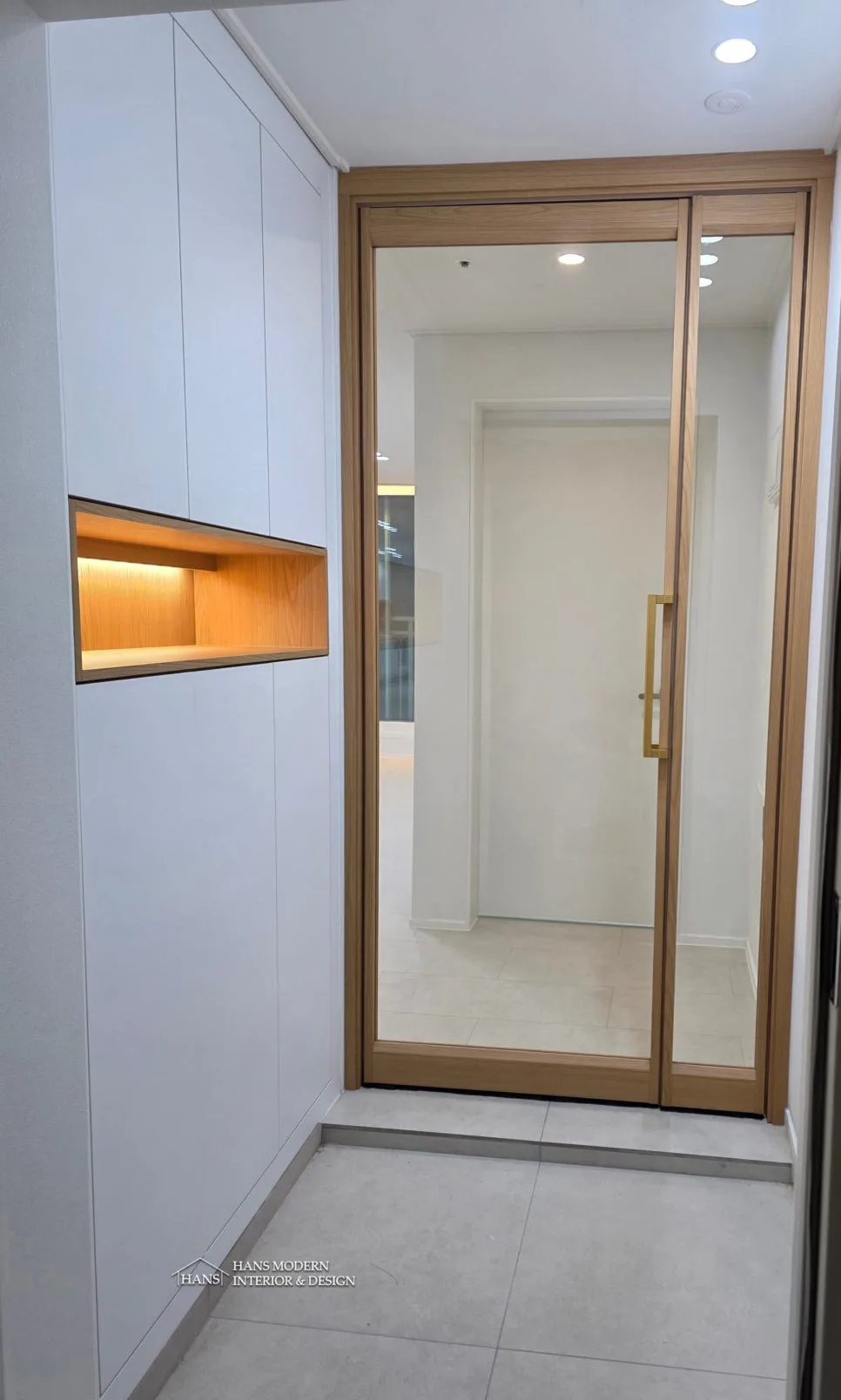
Creating a welcoming and organized entryway is a hallmark of Korean interior design. To combat the feeling of a cramped space, consider installing a double-swing door (similar to a saloon door) to enhance openness and improve traffic flow. For shoe storage, opt for floating cabinets that are elevated off the floor; this not only looks sleek but also makes cleaning easier and can visually expand the space. Using large format tiles, such as 24x24 inch (approx. 60x60 cm) tiles, extending from the floor to the baseboard, creates a seamless, unified look that minimizes visual clutter. For a cohesive finish, consider wrapping the main door, door closer, and door stopper in a consistent interior film color, mirroring the overall palette of your home. This attention to detail ensures the entryway feels intentional and part of the larger design narrative.
Designing a Functional and Stylish Korean Kitchen and Living Room
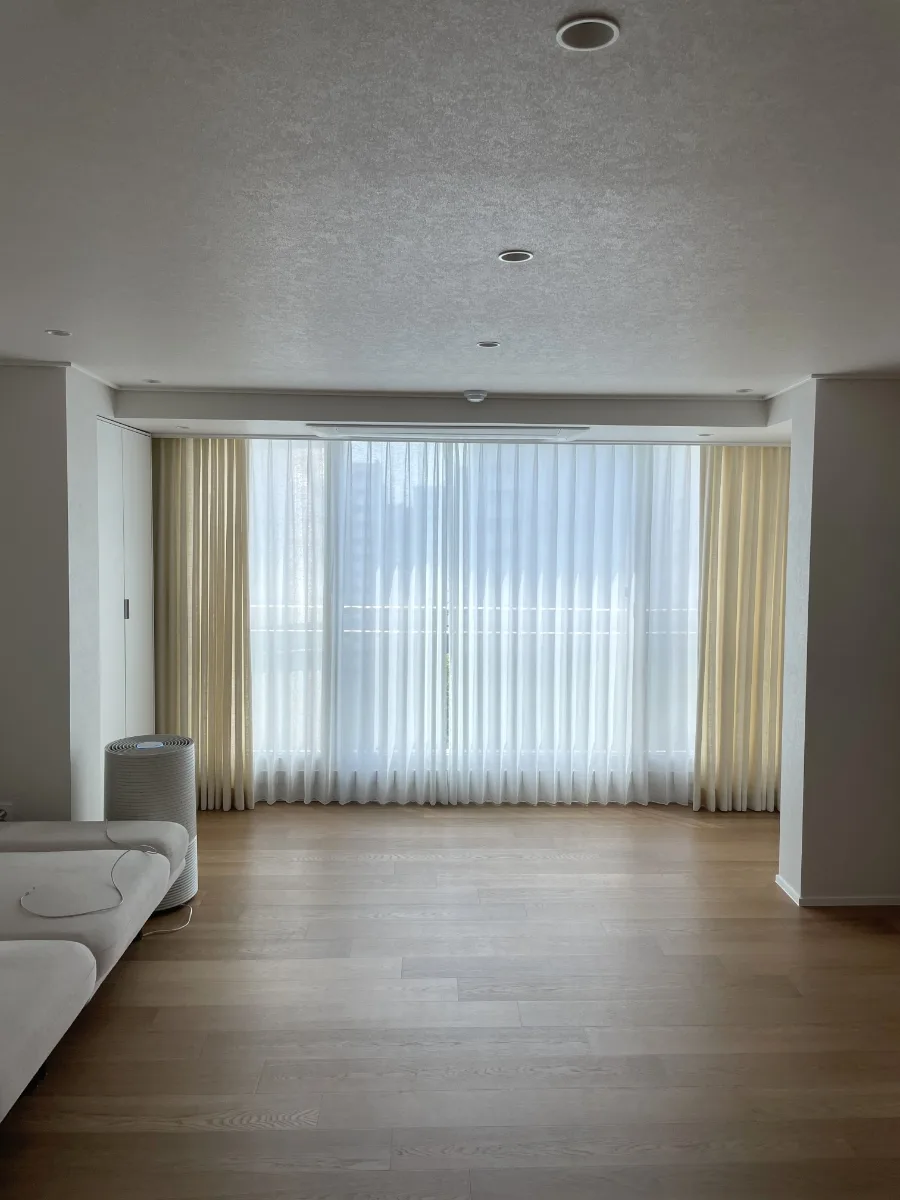
The Korean kitchen often embraces a minimalist, handle-less design for upper cabinets, creating a sleek, integrated look that aligns with the overall aesthetic. Opting for a 'G' (L-shaped) layout can maximize counter space and workflow efficiency. Vertical tile patterns on the backsplash add visual interest and depth without overwhelming the space, drawing the eye upward and making the area feel larger. In the living room, the focus shifts to creating a comfortable and quiet environment. Using thick, cushioned flooring materials, like certain types of vinyl plank or specialized tiles, can significantly absorb impact sound, reducing noise transmission between floors—a crucial consideration in apartment living. Minimizing visible wiring and coordinating floor and door finishes with the overall color scheme can make even a small living area feel more spacious and harmonious. This integrated approach ensures both style and practicality.
Creating Serene Korean-Inspired Bedrooms and Bathrooms
Bedrooms in a Korean-inspired design prioritize tranquility and smart storage. Consider incorporating soft curves, such as an arched design for a vanity or headboard, to add a touch of warmth and sophistication. Ample drawer storage beneath the bed or vanity can keep the space tidy and uncluttered. For bathrooms, the trend leans towards vertical tile installations to add depth and visual interest, often paired with subtle textures. Using white or light-colored hardware for vanities can help prevent water spots and maintain a clean look. A patterned tile on the floor can serve as a tasteful accent, adding personality without being overpowering. Round, sensor-activated mirrors combine modern convenience with a softer aesthetic, contributing to a spa-like feel. This thoughtful combination of elements creates a peaceful and stylish retreat.
Is Partial Renovation (Part Interior) Cost-Effective in Korea?
Opting for a partial renovation, or 'part interior' as it's known in Korea, can be a highly effective strategy for managing costs while still achieving significant aesthetic and functional improvements. Instead of a full overhaul, this approach involves selectively updating key areas like the entryway, kitchen, or bathroom based on specific needs and budget. This allows homeowners to prioritize upgrades that offer the most impact, whether it's enhancing usability, improving sound insulation, or simply refreshing the style. By focusing on targeted improvements, such as updating fixtures, re-tiling, or modifying cabinet layouts, individuals can avoid the expense of unnecessary work. While exact costs vary greatly depending on the scope of work, materials chosen, and the contractor, a well-planned partial renovation can deliver a high degree of satisfaction and a dramatically improved living space without the financial strain of a complete remodel. Consulting with designers for personalized quotes is essential.
English crawl path
Next English reads from this pilot cluster
Continue through the category hub, latest English stories, and related posts so this translated article is not an isolated URL.
Tags
💬Frequently Asked Questions
What should I check first in Korean Apartment Style 2026: Minimalist Decor Guide?
Does this Home & Interior article link back to the Korean source?
Where can I find similar English stories?
English discovery path
Explore more English K-culture stories
Keep browsing the indexed English pilot cluster so Google and readers can move between this story, the category hub, and fresh discovery pages.
Original Source
Read the Korean original