In 2026, the Korean apartment aesthetic continues to embrace minimalism, focusing on functional design and serene living spaces. This trend is evident in recent renovations, like a 54-pyeong (approx. 1,800 sq ft) apartment in Seoul's prestigious Daechi-dong, which masterfully blends practicality with a clean, modern look. Key elements include maximizing natural light, creating open-plan layouts, and utilizing built-in storage to maintain a clutter-free environment, making it a sought-after style for US homeowners looking for a calm, organized home.
How to Maximize Korean Apartment Entryway Space for 2026
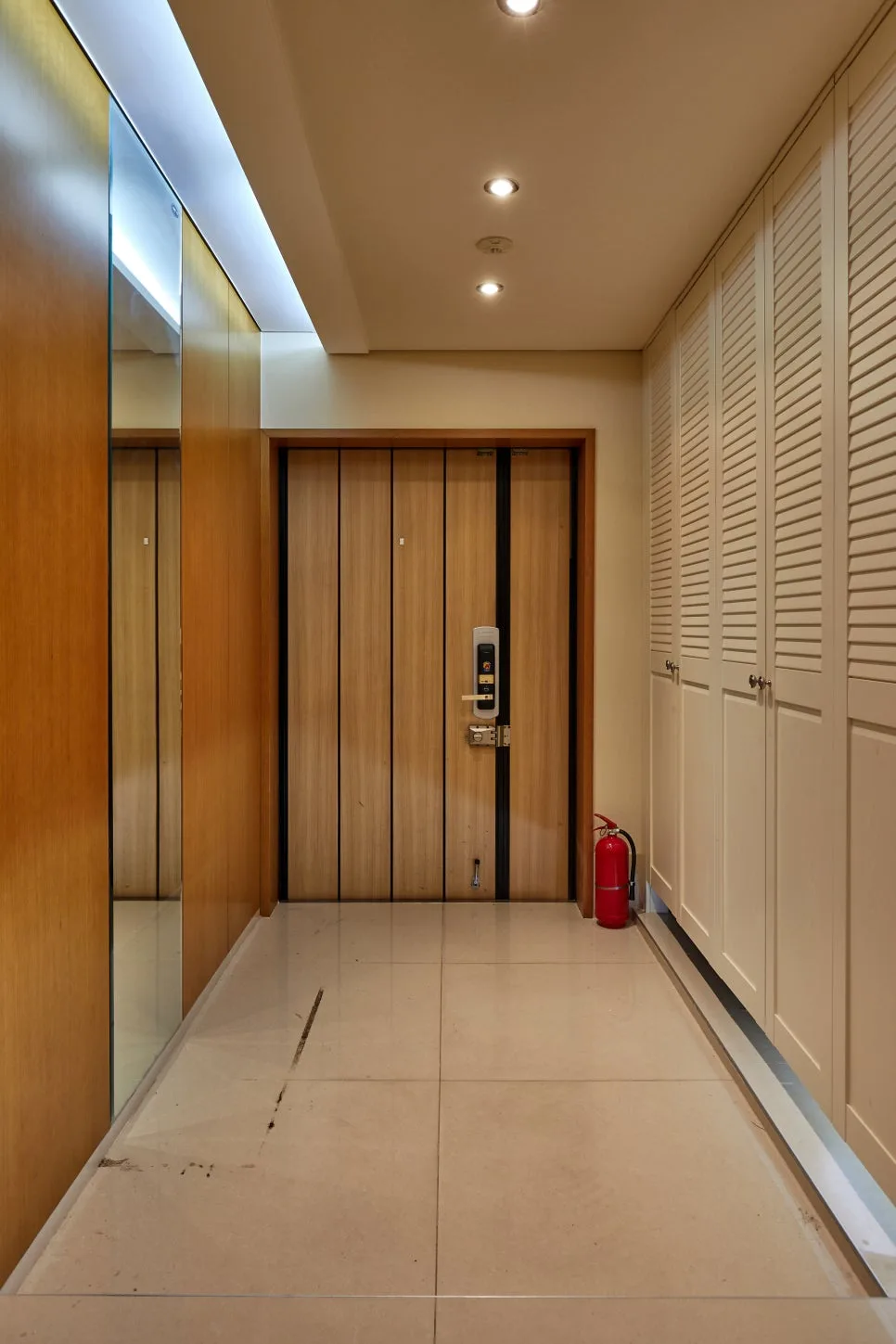
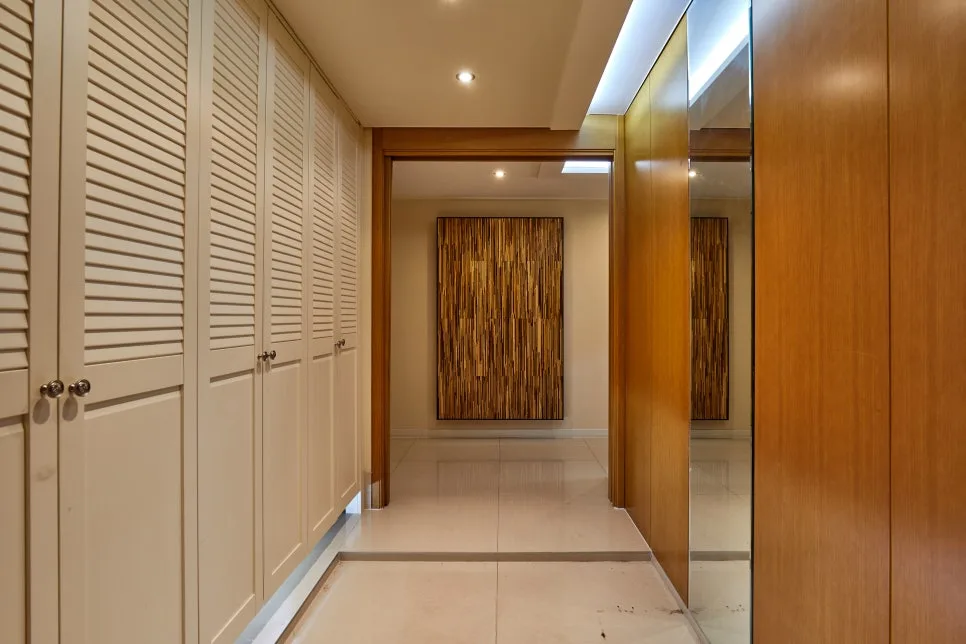
The entryway, or 'transition space,' is crucial in Korean interior design. For a 54-pyeong apartment, the focus is on creating a clean and organized first impression. This involves integrating ample storage solutions and strategically placed mirrors to enhance the sense of space. Implementing a subtle floor level difference can visually delineate the entryway from the main living area. A transparent glass door, often used in modern Korean homes, helps maintain an open feel while providing a practical barrier. Utilizing large, light-colored tiles on the floor complements a white-toned interior, making even smaller entryways feel expansive. This approach, honed through real-life experience, prioritizes functionality and a welcoming atmosphere without unnecessary ornamentation.
Creating a Minimalist Living Room with Light and Space in 2026
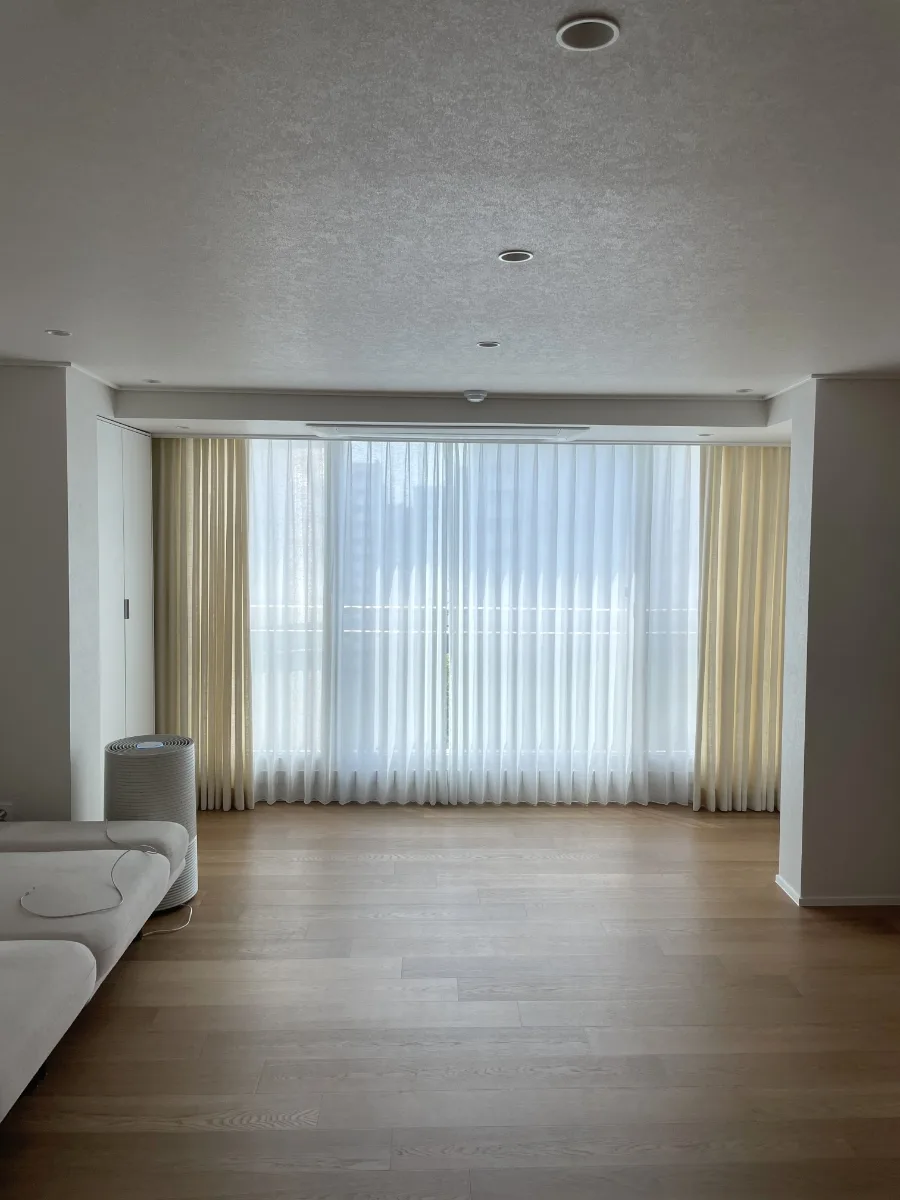
The living room design in 2026 Korean interiors leans heavily into a bright, understated minimalism. Old-fashioned moldings and complex lighting fixtures are often removed, with a clean white palette serving as the foundation. Unifying the floor and wall colors creates a seamless visual flow, preventing distractions. Subtle linear lighting integrated into the ceiling contours the space gently, highlighting its form without being overpowering. Maximizing natural light through large windows is paramount, allowing light and open space to become the primary design elements. This creates an environment that feels larger and more tranquil than its actual dimensions, offering a flexible foundation that can be adapted to various lifestyles and decor preferences.
Kitchen Remodeling: Optimizing Flow with an Island in 2026
Modern Korean kitchen renovations often involve reconfiguring the layout to center around a functional island. For a 54-pyeong apartment, a long, linear island can serve multiple purposes: food preparation, storage, and casual dining. This centralizes activity and streamlines workflow. To maintain a clean aesthetic, the back of the island is often fitted with built-in cabinetry, minimizing visual clutter. Upper cabinets are kept to a minimum, with indirect lighting used to add depth and ambiance to the workspace. Thoughtful adjustments, such as relocating doors and separating secondary workflows from the main cooking area, ensure an efficient and harmonious kitchen experience. This focus on practical design maximizes the utility of the kitchen space.
Master Bedroom and Bathroom: Designing for Relaxation with Calm Tones
In the master bedroom, outdated elements like lattice windows are often replaced with larger, clear panes to maximize views and natural light. Existing built-in wardrobes can be updated with new doors for a cost-effective refresh. The main bathroom often features large-format tiles (e.g., 1200x1200mm) to minimize grout lines and create a cohesive look, with amenities like a rain shower and handheld showerhead enhancing usability. The master bathroom is designed as a serene retreat, often featuring calming, neutral-toned tiles and a curved freestanding bathtub. By reducing unnecessary decorative elements and focusing on the tactile qualities of materials and simple forms, these spaces become easy to maintain and deeply relaxing.
Bedroom Expansion and Overall Space Utilization: Practical Design Focus
In some larger Korean apartments, two smaller bedrooms might be combined into one expansive space to enhance openness and flexibility. This particular 54-pyeong renovation in Daechi-dong prioritized practical usability and efficient structural design over purely aesthetic trends. The goal was to create a comfortable and timeless living environment that would remain appealing for years to come. By focusing on functionality and a balanced approach to design, the project delivers a sophisticated and livable space that enhances the resident's lifestyle. This approach to K-interior design emphasizes creating a home that is not just beautiful, but also a joy to live in.
English crawl path
Next English reads from this pilot cluster
Continue through the category hub, latest English stories, and related posts so this translated article is not an isolated URL.
Tags
💬Frequently Asked Questions
What should I check first in Korean Apartment Style 2026: Minimalist Design Guide?
Does this Home & Interior article link back to the Korean source?
Where can I find similar English stories?
English discovery path
Explore more English K-culture stories
Keep browsing the indexed English pilot cluster so Google and readers can move between this story, the category hub, and fresh discovery pages.
Original Source
Read the Korean original