For those considering Korean apartment interior design or renovations in 2026, understanding the principles of K-interior and how they differ from Western styles is key. Korean minimalism, often seen in spaces inspired by brands like MUJI, emphasizes clean lines, natural materials, and a sense of calm. This aesthetic is increasingly popular in the US, with searches for 'Korean apartment aesthetic' on the rise. While specific contractors like 'Dio Interior' might be local to Korea, the design philosophy is globally accessible and can be achieved with furniture and decor found at US retailers such as IKEA, CB2, West Elm, and Amazon.
What Defines the Korean Apartment Aesthetic?
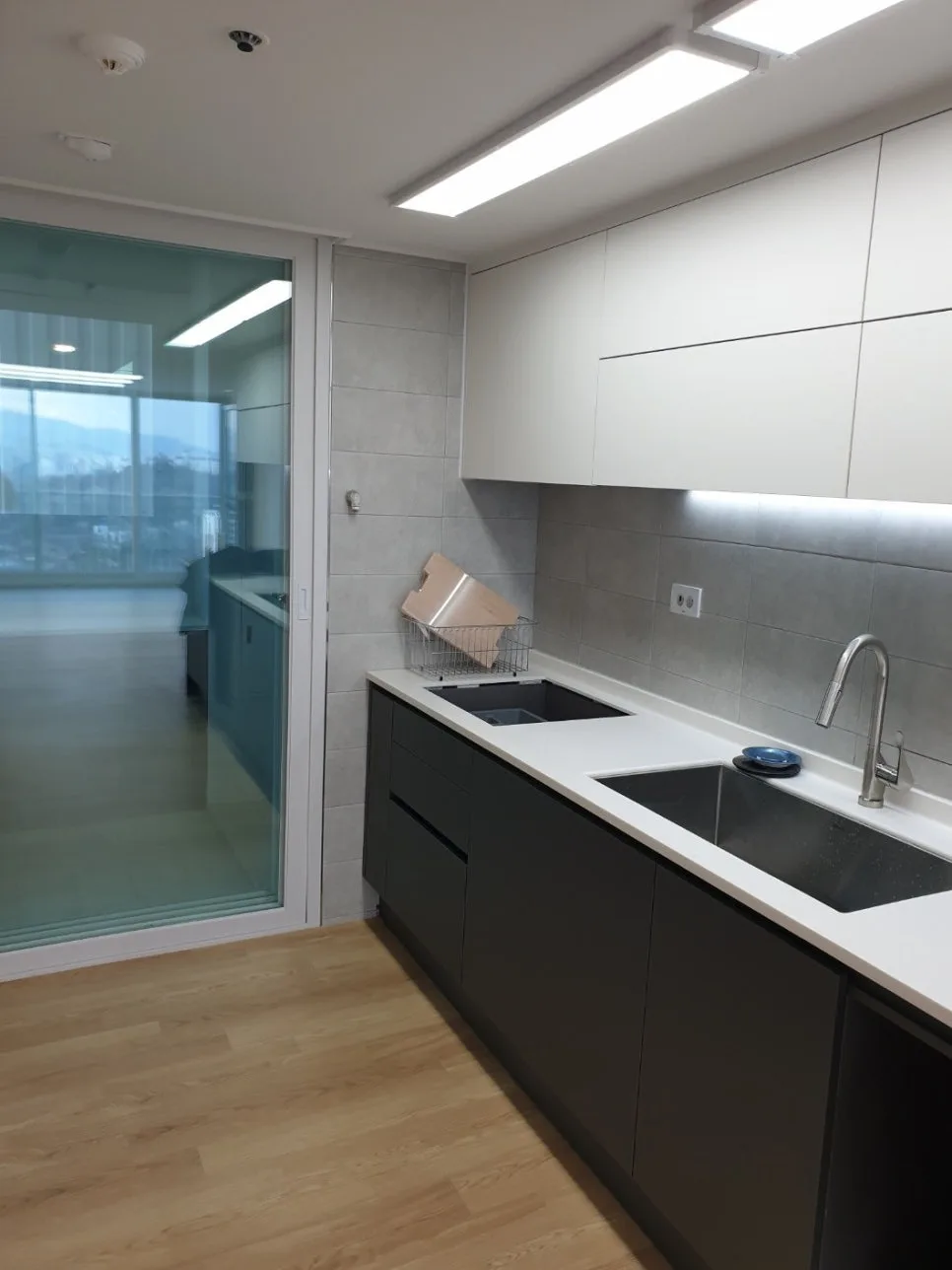
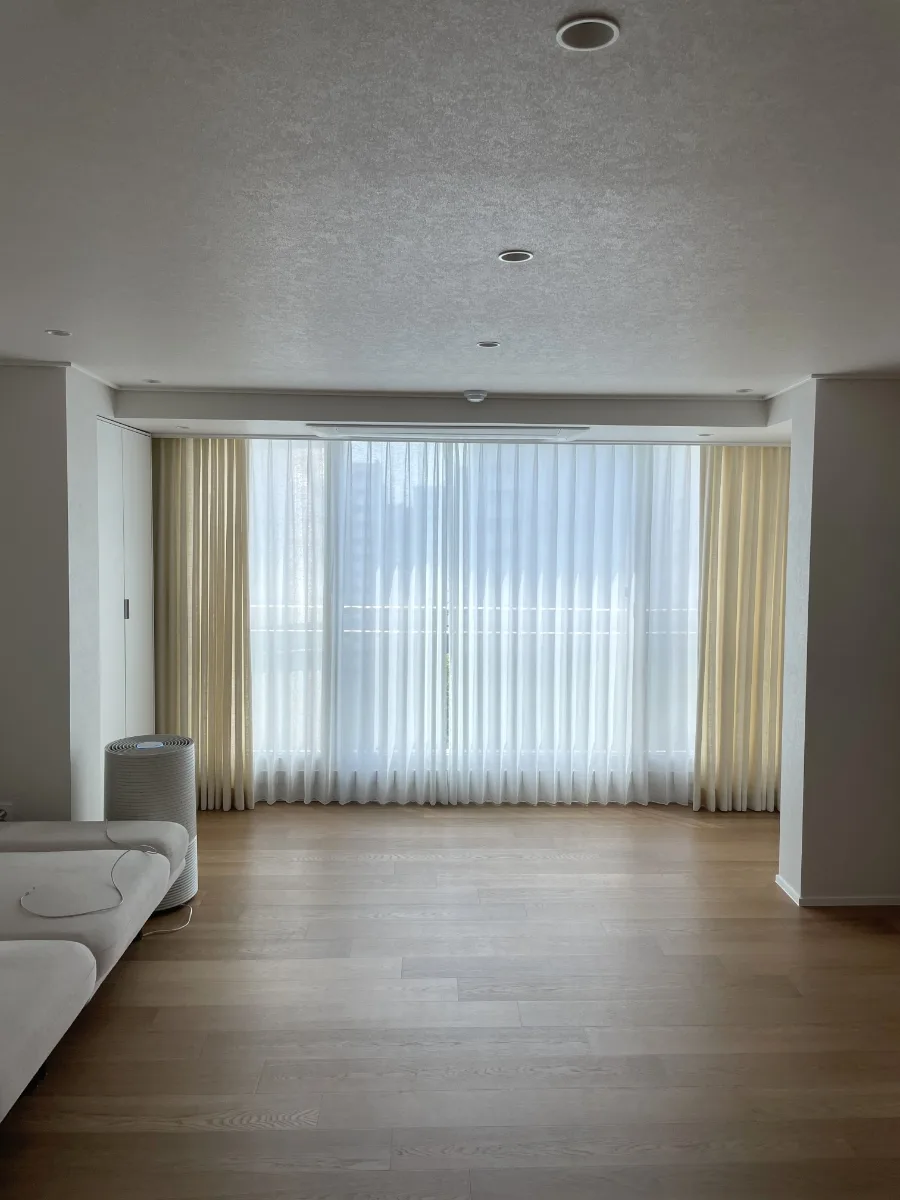
The Korean apartment aesthetic, often referred to as K-interior, is characterized by its minimalist approach, prioritizing functionality, clean lines, and a serene atmosphere. Unlike Western styles that might lean towards maximalism or ornate details, K-interior focuses on creating a sense of spaciousness and tranquility. This involves strategic use of neutral color palettes, natural materials like wood and stone, and smart storage solutions to keep clutter at bay. For instance, a common feature is the use of built-in cabinetry or modular furniture that seamlessly integrates into the space, maximizing every square inch. This approach is particularly relevant for smaller urban apartments, where efficient use of space is paramount. The goal is to create a harmonious living environment that promotes well-being, reflecting a lifestyle that values simplicity and order.
How to Achieve Korean Minimalism in Your US Home
Achieving a Korean minimalist interior in your US home involves adopting key design principles. Start with a neutral color palette – think whites, beiges, grays, and soft pastels – to create a calming backdrop. Incorporate natural materials like light-colored wood for furniture or flooring, and consider adding elements of stone or bamboo. Smart storage is crucial; opt for furniture with hidden storage or invest in sleek, minimalist shelving units available at stores like IKEA or CB2. Lighting plays a vital role too – layered lighting with soft, warm tones can enhance the cozy and serene feel. Consider elements like floor lamps with simple designs or pendant lights with natural textures. Finally, declutter ruthlessly and focus on a few well-chosen decorative pieces that add personality without overwhelming the space, perhaps inspired by Korean ceramic art or simple botanical arrangements.
Korean Interior Design vs. Western Styles: Key Differences
The primary difference between Korean interior design and many Western styles lies in their philosophical approach. Western design can often be more eclectic, embracing a variety of textures, bold colors, and statement pieces. Think of the ornate details in Victorian styles or the rustic charm of farmhouse decor. Korean interior design, conversely, leans heavily into minimalism and functionality. It's about creating a sense of balance and harmony (Jeong) within the space, often drawing inspiration from nature. Where a Western living room might feature a large, plush sofa and a bold rug, a Korean-inspired living room might opt for a low-profile sofa, natural wood accents, and a focus on open floor space. Even in terms of layout, Korean apartments often prioritize open-plan living areas, while Western homes might have more segmented rooms. This emphasis on simplicity and mindful living is a hallmark of K-interior.
Where to Find Korean-Inspired Decor in the US
Bringing the Korean aesthetic into your home is more accessible than ever with a variety of US retailers offering suitable products. For furniture and storage solutions that embody Korean minimalism, IKEA is an excellent starting point, known for its clean designs and functional pieces. CB2 and West Elm offer more contemporary and slightly upscale options that can align with a modern K-interior look, particularly their wood-toned furniture and minimalist decor items. Amazon is a treasure trove for smaller decor pieces, lighting, and organizational tools that fit the aesthetic, from simple ceramic vases to woven storage baskets. Look for items with natural textures, neutral colors, and understated designs. You can also find Korean-specific decor items online through specialized importers or marketplaces, often featuring unique ceramic pieces, traditional textiles, or minimalist art prints that add an authentic touch.