Transforming a Korean apartment with warm white interior film is a popular and effective way to create a cozy, bright, and updated living space. This method, seen in projects like the one in Yongin, South Korea, involves applying durable film to doors, frames, and moldings to achieve a fresh, like-new appearance without a full renovation.
What's the secret to a warm white Korean apartment aesthetic?
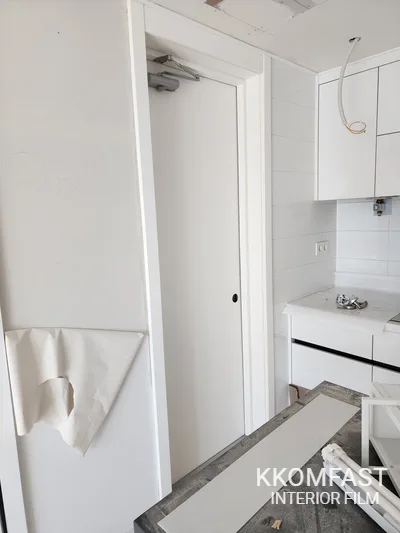
The key to achieving a warm and inviting atmosphere in Korean home decor often lies in the strategic use of color, and warm white is a standout choice. In a recent project in Yongin, South Korea, applying warm white film to six doors, moldings, and baseboards completely revitalized the apartment. Unlike stark, cool whites, warm white offers a softer, more comfortable ambiance. This particular project highlighted the importance of meticulous application, especially on intricate details like recessed moldings (often called 'minus moldings' in Korea). These areas require careful handling to prevent the film from peeling or bubbling, ensuring a seamless, high-quality finish that makes the entire space feel brighter and more cohesive. This approach demonstrates how subtle changes can dramatically enhance a home's overall feel, aligning with the popular 'Korean apartment style' that emphasizes clean lines and a sense of spaciousness.
How do Korean interior designers achieve a flawless finish on recessed moldings?
Achieving a professional finish on recessed moldings, known as 'minus moldings' in Korea, requires a meticulous approach. These inward-curving designs present a challenge for film application, as the material can easily lift if not applied with precision. In the Yongin apartment project, a team of five skilled installers completed the extensive work, including six doors, moldings, and baseboards, within a single day. The process involved careful surface preparation, followed by expert application of the film. The team's coordinated workflow, with specialists focusing on different elements like door frames and moldings, ensured efficiency and a high-quality result. This level of detail and teamwork is crucial for a lasting, beautiful finish, making the space look as if it were newly constructed. For US homeowners seeking a similar aesthetic, look for services that emphasize detailed prep work and experienced installers, often found through specialized interior finishing companies or high-end renovation contractors.
What areas can be updated with interior film, and what's the typical cost?
Interior film offers remarkable versatility, allowing for updates to a wide range of surfaces beyond just doors and moldings. This includes kitchen cabinets, furniture, window frames, and even accent walls. The primary advantage is achieving a dramatic aesthetic transformation without the expense and disruption of full replacement or traditional painting. While costs vary based on the project's scope, the type of film chosen, and the complexity of the surfaces, it generally presents a more budget-friendly option than extensive remodeling. For instance, the Yongin project, covering six doors, moldings, and baseboards, was completed in one day by a skilled team, delivering a 'new construction' look at a fraction of the cost of a full renovation. For US consumers, similar projects might range from a few hundred to a couple of thousand dollars, depending on the square footage and intricacy. Obtaining on-site quotes from reputable interior finishing companies or contractors specializing in vinyl wraps is the best way to get an accurate estimate.
What are common mistakes to avoid during interior film installation?
A frequent pitfall in interior film installation is neglecting proper surface preparation. Any dust, debris, or unevenness on the existing surface can lead to bubbles, peeling, or an unsightly finish once the film is applied. For complex areas like recessed moldings, a lack of precision during cutting and application can result in a subpar look that detracts from the overall aesthetic. This is why hiring experienced professionals, as seen in the Yongin project, is highly recommended. Their expertise ensures that the film is applied smoothly and adheres correctly, even on challenging surfaces. In the US market, look for installers who provide detailed quotes outlining their preparation process and guarantee their workmanship. Avoiding shortcuts and prioritizing quality installation will ensure the longevity and visual appeal of your updated surfaces, maintaining that sought-after Korean minimalist or modern apartment style.
For more details, check the original source below.