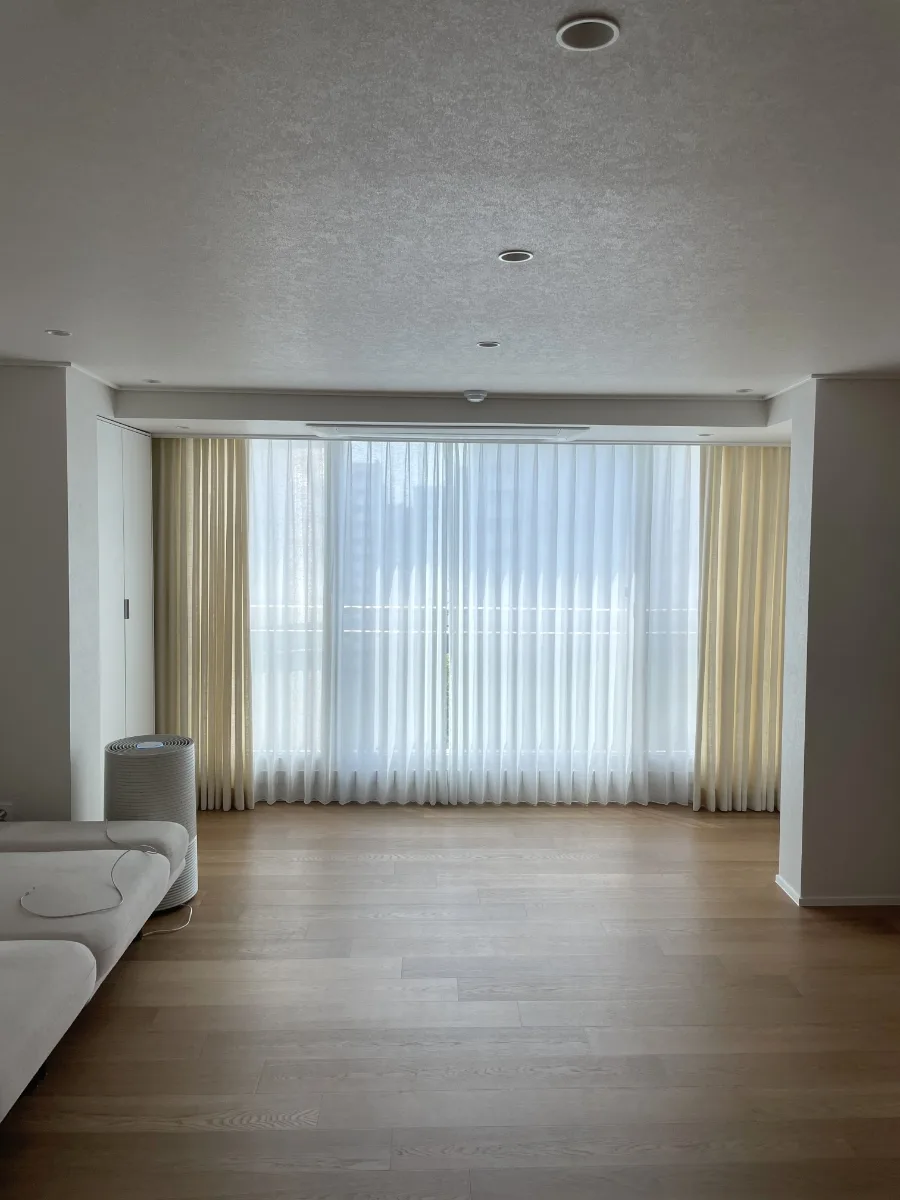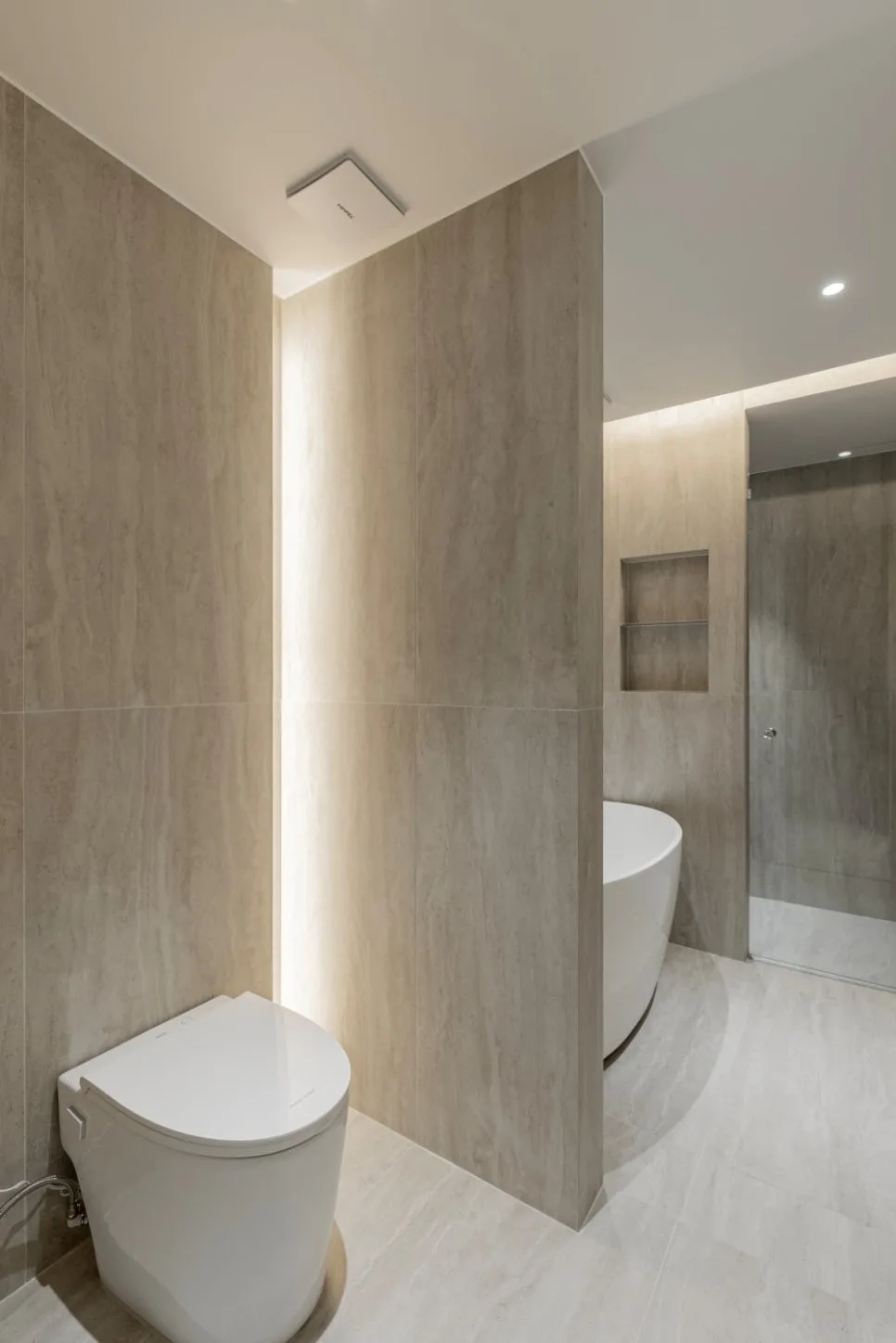
Korean interior design, often called K-interior, focuses on creating harmonious, minimalist, and highly functional living spaces. In 2026, this aesthetic is gaining traction in the US for its ability to maximize small apartments and create a sense of calm. Key elements include natural materials, clean lines, and smart storage solutions, transforming homes into serene sanctuaries.
What Makes Korean Interior Design So Appealing for US Homes?
Korean interior design, or K-interior, is more than just a trend; it's a philosophy that prioritizes functionality, minimalism, and a deep connection with nature. This approach is particularly resonant with Americans living in urban environments, where maximizing space and creating a peaceful retreat is paramount. Unlike Western styles that might favor ornate details, K-interior embraces simplicity, using natural materials like wood and stone, along with a neutral color palette. This creates a calming atmosphere that reduces stress and enhances well-being. For instance, the popular 'Korean apartment aesthetic' emphasizes open layouts and clutter-free surfaces, making even small spaces feel larger and more inviting. Brands like MUJI offer a similar minimalist ethos, and US consumers can find inspiration and products at retailers like IKEA, CB2, West Elm, and Amazon to achieve this look.
How Can You Achieve a Korean Minimalist Aesthetic in Your Apartment?
Achieving a Korean minimalist aesthetic involves a strategic approach to design and organization. Start by decluttering and embracing a 'less is more' philosophy. Opt for furniture with clean lines and natural finishes, such as light-colored wood or bamboo. Neutral color palettes for walls and textiles, like soft whites, grays, and muted earth tones, are essential for creating a serene backdrop. Smart storage solutions are crucial; think built-in shelving, hidden compartments, and multi-functional furniture that maximizes utility without sacrificing style. Incorporating natural elements like plants, wooden accents, or stone textures can further enhance the organic feel. For example, a simple wooden coffee table paired with a comfortable, neutral-toned sofa and a few strategically placed potted plants can instantly evoke a K-interior vibe. This focus on functionality and understated elegance is key to creating a harmonious living space.
What Are the Key Differences Between Korean and Western Interior Styles?
The primary distinction between Korean and Western interior design lies in their core philosophies and aesthetic priorities. Western styles often embrace maximalism, bold colors, intricate patterns, and a wider variety of decorative elements. The focus can be on showcasing possessions and creating a visually rich environment. In contrast, Korean interior design champions minimalism, emphasizing functionality, clean lines, and a serene, uncluttered atmosphere. While Western design might prioritize statement pieces and elaborate details, K-interior focuses on creating a harmonious balance between form and function, often using natural materials and a muted color palette to foster a sense of calm and well-being. For example, a Western living room might feature a large, ornate rug and vibrant accent pillows, whereas a Korean-inspired living room would opt for a simple, natural fiber rug and subtle, textured throws. This difference reflects a cultural emphasis on simplicity and mindful living in Korea.
Where Can You Find Quality K-Interior Design Services in the US?
While the original content focuses on a specific Korean company, finding quality K-interior design services in the US involves looking for designers who specialize in minimalist, functional, and nature-inspired aesthetics. Many interior designers now offer consultations that can help you achieve a Korean-inspired look, even if they aren't exclusively focused on K-interior. Look for designers who emphasize space optimization, natural materials, and clean design principles. Websites like Houzz or platforms like Instagram can be excellent resources for discovering designers whose portfolios align with the K-interior aesthetic. When seeking services, inquire about their experience with minimalist design, custom storage solutions, and the use of natural materials. While direct equivalents to Korean design firms like 'Daran Design' might be rare, many US-based interior designers can translate the principles of K-interior into your home, often recommending furniture and decor available at accessible retailers like IKEA, CB2, and Amazon.
Discover more about elevating your living space with K-interior principles.