Embrace the clean, functional, and calming aesthetic of Korean interior design with these 2026 trends, perfect for modern US homes. Korean minimalism focuses on maximizing space, natural light, and creating a serene atmosphere, often drawing inspiration from brands like MUJI and available at retailers like IKEA, CB2, and Amazon. This approach transforms apartments into stylish, efficient living spaces that feel larger and more inviting, reflecting the growing popularity of the 'Korean apartment aesthetic' in the US market.
What is the Korean Apartment Style for 2026?
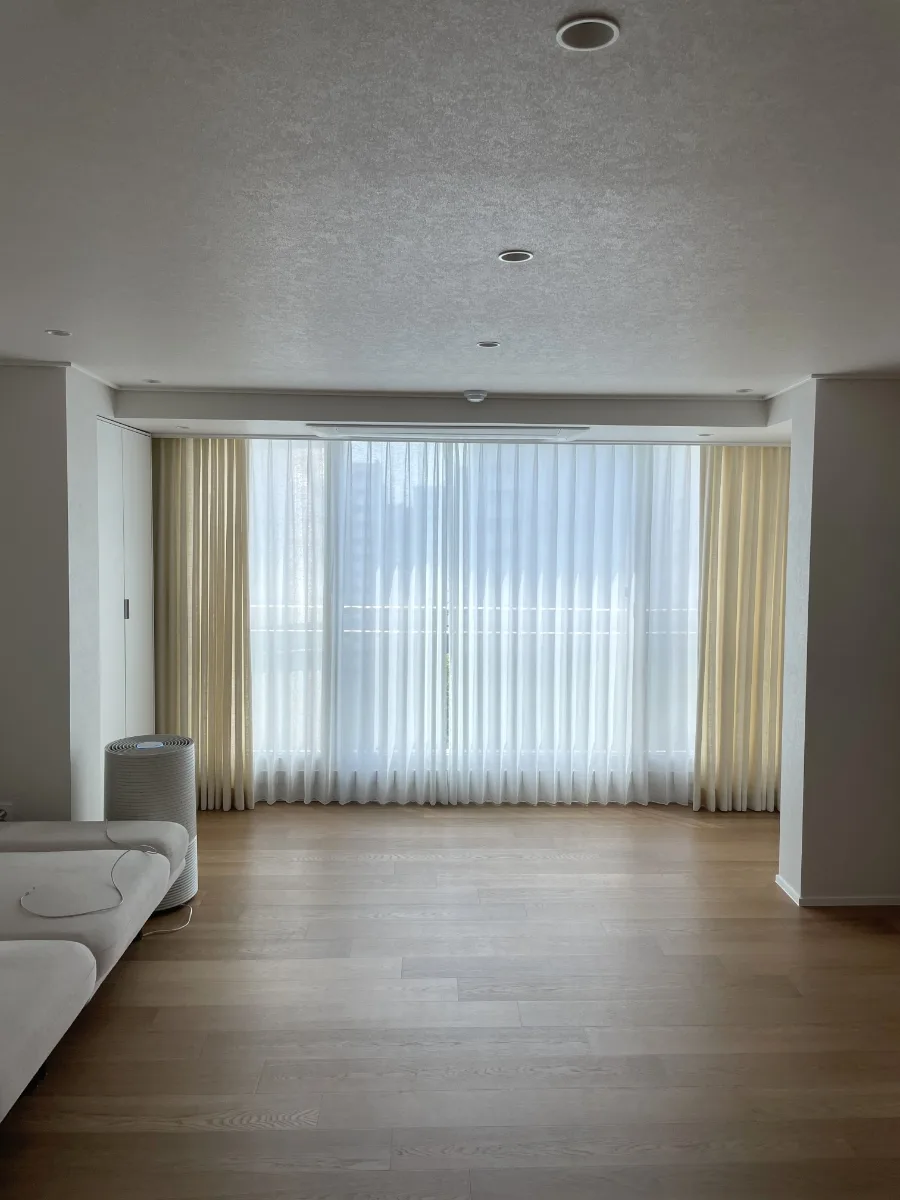
The 2026 Korean interior design trend emphasizes open-concept layouts, efficient space utilization, and a comfortable, timeless ambiance. This means prioritizing bright, neutral color palettes, maximizing natural light, and incorporating smart storage solutions. For US homeowners, this translates to creating a sense of spaciousness and tranquility, even in smaller apartments. Think clean lines, minimalist furniture, and a focus on natural materials. Brands like Samsung and LG offer smart home technology that can integrate seamlessly into this aesthetic, enhancing both functionality and style. The goal is to create a harmonious living environment that feels both modern and deeply calming, a hallmark of the sought-after K-interior look.
How to Achieve a Minimalist Korean Living Room and Kitchen
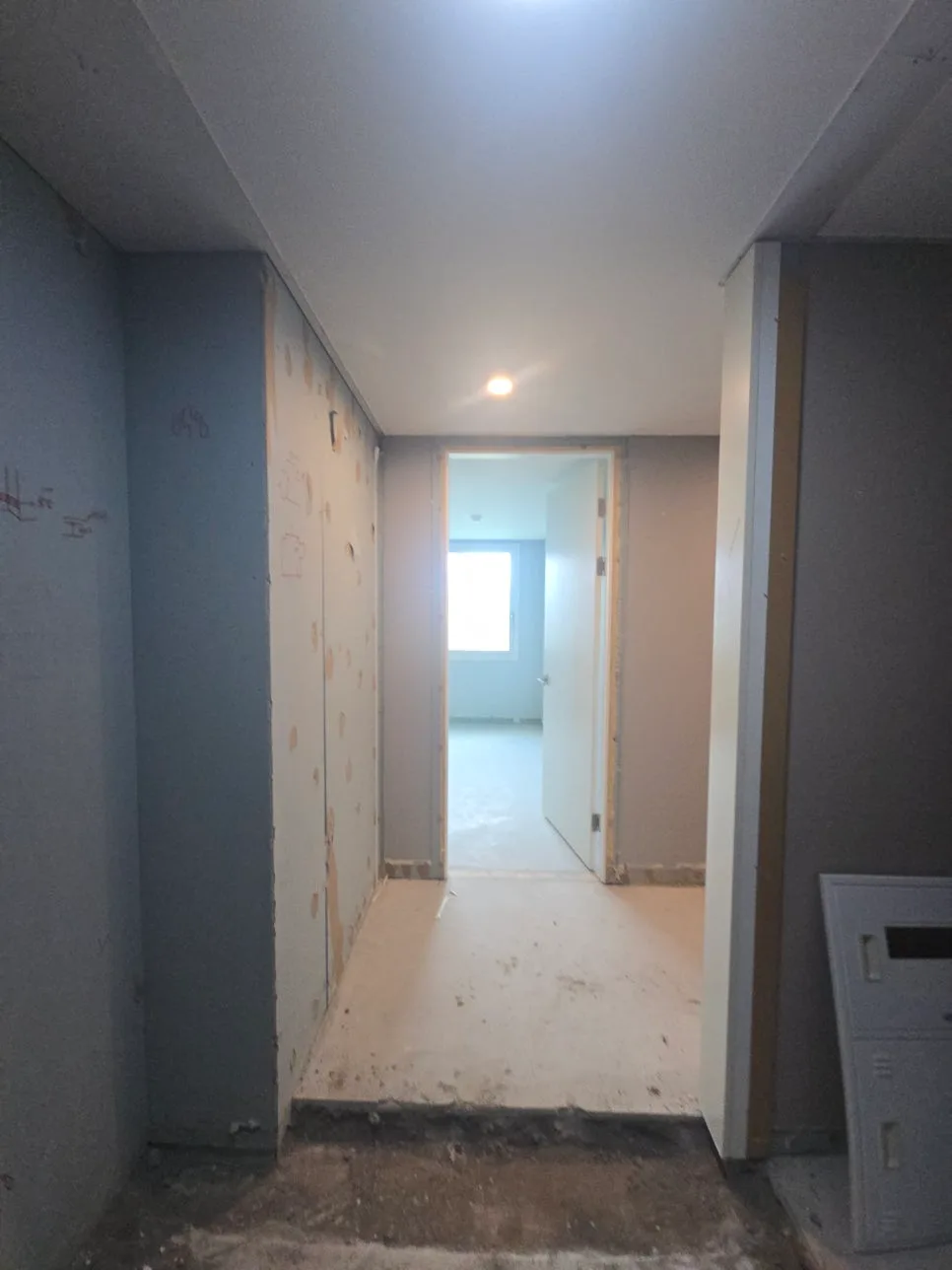
Creating a minimalist Korean living room and kitchen involves decluttering and optimizing flow. Start by clearing out unnecessary items and opting for furniture with clean, simple designs. In the living area, focus on a neutral color scheme with pops of natural wood tones. Consider incorporating indirect lighting to create a warm, inviting atmosphere, similar to how it's used in many Seoul apartments. For the kitchen, an open-concept design that flows into the living space is key. Utilize integrated appliances and smart storage solutions to maintain a sleek, uncluttered look. Brands like IKEA offer modular kitchen systems that can be adapted to this style, while Amazon provides a wide array of minimalist decor. The aim is to make these central spaces feel airy, functional, and conducive to family interaction.
Designing Functional Korean-Style Bedrooms and Personal Spaces
Personal spaces, such as bedrooms, should reflect the core principles of Korean interior design: functionality and comfort. When planning a bedroom remodel, consider the primary use of the space. For a primary bedroom, focus on creating a serene retreat with calming colors and soft lighting. Ensure ample, well-organized storage, perhaps using built-in wardrobes or minimalist shelving units available at retailers like West Elm. For children's rooms, incorporate playful yet organized elements, ensuring easy access to study areas and play zones. Think about the placement of outlets and lighting to suit specific needs, like a reading nook or a home office setup. This thoughtful approach ensures that each personal space is not just aesthetically pleasing but also highly practical for daily life, aligning with the efficient Korean home decor philosophy.
Essential Tips for a Modern Korean Bathroom Remodel
A modern Korean bathroom remodel focuses on creating a spa-like sanctuary that is both functional and visually appealing. Key considerations include waterproofing, efficient drainage, and selecting high-quality fixtures. Opt for a neutral color palette, perhaps incorporating subtle natural textures like stone or wood-effect tiles, which can be found at major US home improvement stores. Smart storage solutions, such as wall-mounted vanities and recessed shelving, are crucial for maintaining a clutter-free environment. Consider incorporating features like a rainfall showerhead or a modern bidet for added comfort and luxury. While Korean bathrooms often feature advanced water-saving toilets and smart bidets, US consumers can find similar high-tech options from brands like Toto or Kohler. Ensuring proper ventilation and lighting will complete the transformation into a serene, efficient space.
English crawl path
Next English reads from this pilot cluster
Continue through the category hub, latest English stories, and related posts so this translated article is not an isolated URL.
Tags
💬Frequently Asked Questions
What should I check first in Korean Apartment Style: 2026 Interior Trends for US Homes?
Does this Home & Interior article link back to the Korean source?
Where can I find similar English stories?
English discovery path
Explore more English K-culture stories
Keep browsing the indexed English pilot cluster so Google and readers can move between this story, the category hub, and fresh discovery pages.
Original Source
Read the Korean original